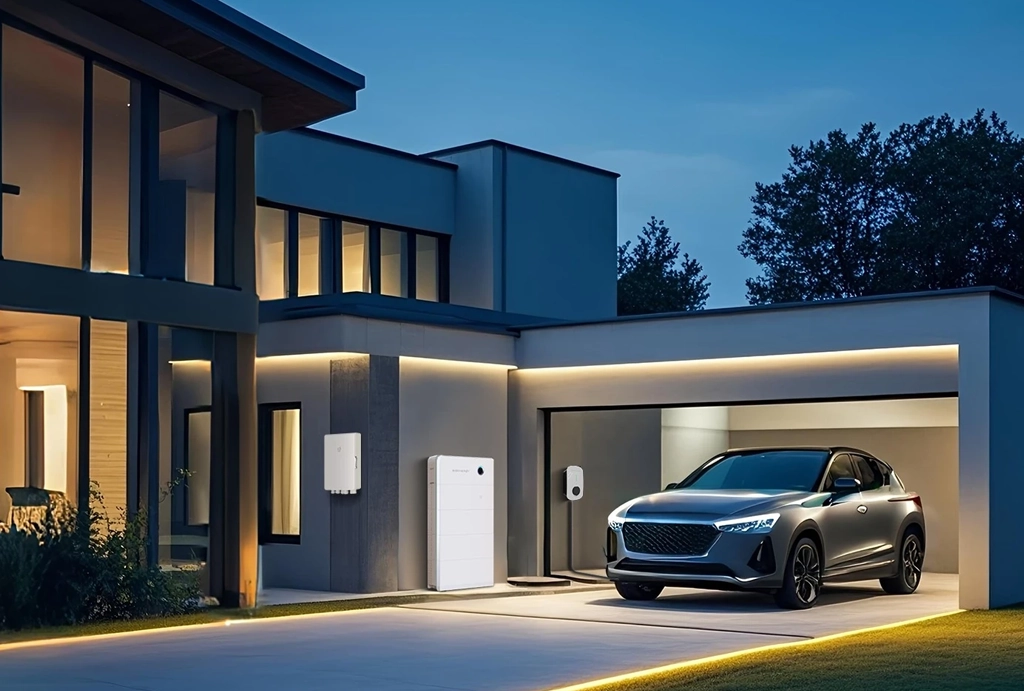
A straight-talking guide for South-East Melbourne homeowners
If you have solar panels and you are wondering whether to add a battery, you are not alone. It is the most common question we hear from homeowners across Cranbourne, Pakenham, Narre Warren and the Mornington Peninsula right now. The honest answer is: for most Victorian households in 2026, yes, a battery is worth it. But not for everyone, and not without understanding a few key things first. Here is everything you need to know.
Looking to install a solar battery?
Let’s have a chat. Our local team’s here to walk you through it, step by step.
Why the battery question feels more urgent in 2026
A few years ago, adding a battery to your solar system was a nice idea that rarely stacked up financially. Feed-in tariffs were reasonable, grid electricity was cheaper, and batteries themselves were expensive. That equation has shifted considerably.
Victorian feed-in tariffs have dropped significantly over the past few years. Many households are now receiving as little as 3 to 5 cents per kilowatt hour for the solar power they export to the grid, while buying it back at peak times for 35 to 50 cents per kilowatt hour. That gap is the core of the battery value proposition in 2026, and it is wider than it has ever been.
At the same time, the federal government’s Cheaper Home Batteries Program has reduced the upfront cost of a home battery by around 30 per cent. That program is funded until 2030 but the rebate decreases every six months. Add to that the fact that battery prices have continued to fall as manufacturing scales up, and 2026 is genuinely one of the best times in history to make the switch.
3 to 5c
Typical Victorian feed-in tariff per kWh exported
35 to 50c
Typical peak grid electricity cost per kWh
~30%
Upfront discount via federal battery rebate
4 to 7 yrs
Typical battery payback period in Victoria
How a home battery actually saves you money
To understand whether a battery is worth it, you need to understand how it works financially. During the day, your solar panels generate electricity. If you are not home using that power, the excess gets exported to the grid for that very low feed-in tariff. When you come home in the evening and start running appliances, you draw from the grid at the much higher retail rate.
A battery changes that dynamic entirely. Instead of exporting your excess solar for almost nothing, you store it in the battery and use it in the evening when grid power is most expensive. The savings come from that difference between what you would have paid for grid power and what it cost to generate and store your own.
For a typical South-East Melbourne household using 20 to 25 kilowatt hours per day, a 10 to 13 kilowatt hour battery can comfortably cover evening and overnight usage, leaving the household drawing very little from the grid at all. Depending on your tariff structure and usage patterns, this can translate to significant savings.
What does a home battery actually cost in 2026?
Battery system costs vary depending on capacity, brand and installation complexity. As a general guide, after the federal rebate is applied, a 10 kWh home battery system installed in South-East Melbourne typically costs between $7,000 and $10,000 all up. A larger 13 to 15 kWh system sits in the $9,000 to $13,000 range.
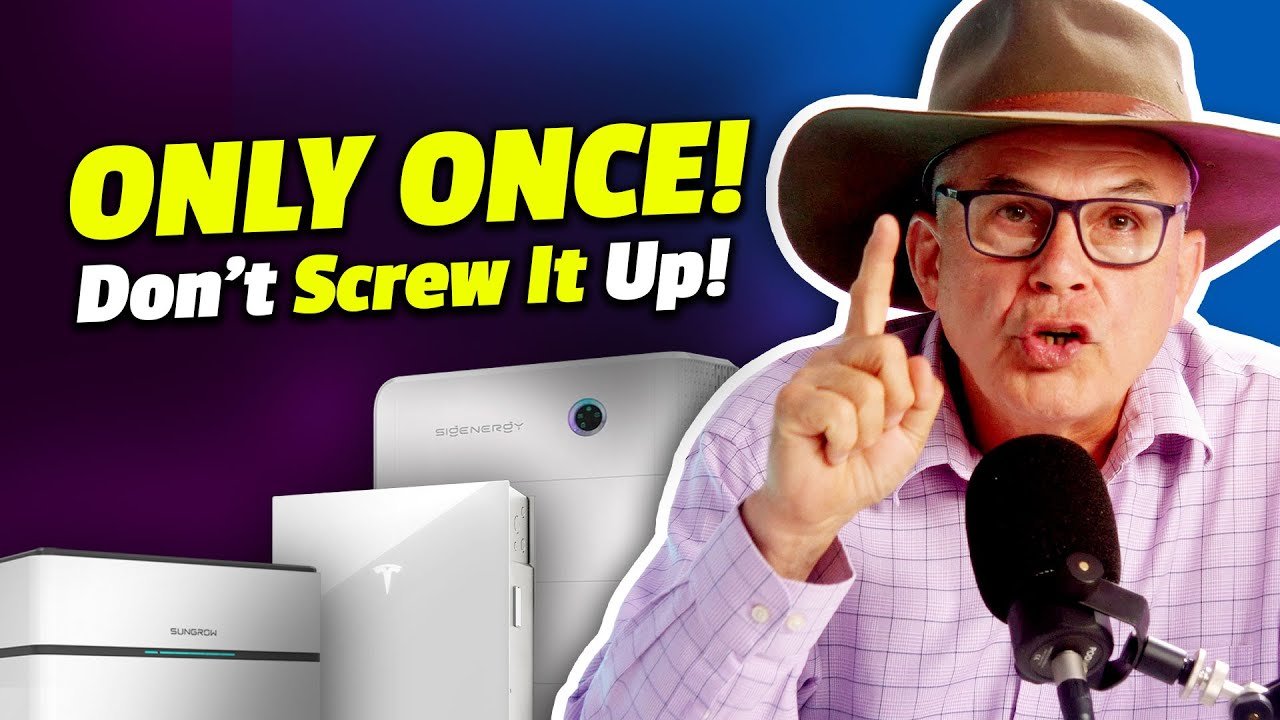
Electrical Masters installs Sigenergy, Tesla Powerwall, GoodWe, Enphase and Sungrow battery systems. Each has different strengths in terms of capacity, warranty, software and compatibility with your existing solar setup. We recommend the right battery for your home based on your actual energy data, not on which product has the best margin for us.
Payback period: what is realistic?
Based on current Victorian electricity prices and feed-in tariffs, a typical 10 kWh battery in South-East Melbourne will pay for itself in four to seven years, depending on your usage patterns, tariff structure and how well the system is configured. That compares favourably with solar panels on their own, which typically pay back in three to five years but have a 25-year lifespan. A battery installed in 2026 with a payback of five years still has 10 or more years of pure savings ahead of it.
What about blackout protection?
Beyond the financial case, one of the most common reasons South-East Melbourne homeowners choose to add a battery is blackout protection. The Casey and Cardinia corridor is no stranger to storm-related outages, and having a battery-backed system means your essential appliances, lights, fridge and phone chargers keep running when the grid goes down.
Not all batteries provide backup power automatically. Some require a specific inverter configuration or a backup gateway device. Electrical Masters will advise you on which setup provides genuine blackout protection for your home and what that involves in terms of equipment and cost.
The rebate decreases every six months
The federal battery rebate reduces twice a year, every January and July, and will continue to do so until the program ends in 2030. The rebate available today is worth more than the rebate in six months’ time. If you are already leaning towards a battery, waiting costs you money.
What to watch out for
The battery market has attracted some operators who use high-pressure tactics, inflate prices to absorb the rebate, or recommend oversized systems that will never pay back. A few things to look out for when getting quotes:
Ask for the pre-rebate and post-rebate price shown separately on the quote. A reputable installer will have no problem providing this. If an installer tells you that you must join a Virtual Power Plant to access the rebate, that is not accurate. VPP capability is a requirement but enrolment is not. And always check that the battery and the installer are both registered with the Clean Energy Council.
Electrical Masters provides fully itemised, transparent quotes on every job. We are happy to walk you through every line item and explain exactly how the rebate has been calculated.
Frequently asked questions
Do I need solar panels to get a battery rebate?
Yes. The federal Cheaper Home Batteries Programme requires that the battery be installed as part of a grid-connected solar system. If you do not have solar yet, Electrical Masters can design and install a combined solar and battery system that qualifies for both the solar STC rebate and the battery rebate at the same time.
Which battery brand should I choose?
The right battery depends on your existing inverter, your energy usage patterns and your budget. Electrical Masters installs Sigenergy, Tesla Powerwall, GoodWe, Enphase and Sungrow. We will recommend the best fit for your specific setup at consultation, not the most expensive option.
Can a battery really cover my evening electricity use?
For most South-East Melbourne households, yes. A 10 to 13 kWh battery is generally sufficient to cover evening and overnight usage for a typical family home, leaving you drawing very little from the grid. Your actual coverage depends on your household’s consumption profile, which we assess as part of your free quote.
Is the payback period guaranteed?
No installer can guarantee a payback period because electricity prices, tariffs and usage patterns can change. However, based on current Victorian pricing and the federal rebate, a four to seven year payback is a realistic expectation for most households in the Casey and Cardinia corridor. We provide a written projection based on your actual energy data.