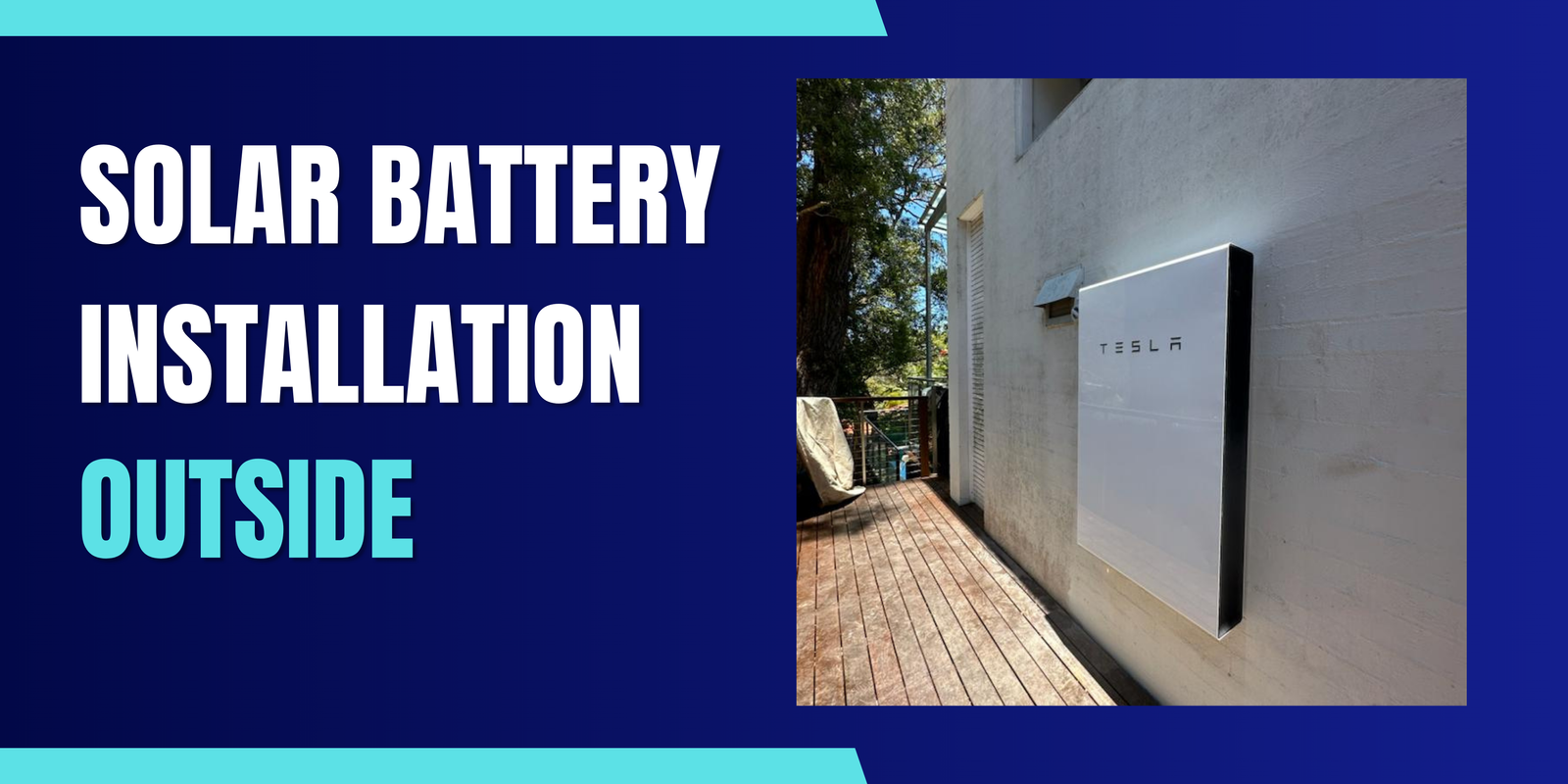
Why Not Solar Battery Installation Outside? A Complete Guide for Australian Homes
With a growing proportion of Australian homeowners adopting energy independence, solar batteries have become known as an essential part of modern solar systems. They provide backup power, reduced energy costs, and improved control over your energy reserves. However, the increase in awareness generates a common question: “Why not install solar batteries outside?”
While outdoor installation might seem convenient, it is not always the safest or most efficient option—particularly under Australian conditions. The article analyzes the risks, regulations, and recommendations of experts associated with solar battery installation outside, highlighting how the selection of an appropriate location may significantly impact performance, durability, and safety.
Electrical Masters, Victoria’s recognized in-house solar and battery experts, have installed thousands of systems across Melbourne and its regional areas. Today, we are going to help you in understanding how to make the most smart decision for your home.
Get a Free Quote
What Does ‘Solar Battery Installation Outside’ Actually Mean?
Many homeowners assume that solar batteries function similar to outdoor inverters or meter boxes, which are attached to an outside wall. But compared to these components, lithium-ion solar batteries:
- It is essential for maintaining a consistent temperature.
- Need protection from environmental factors
- Require compliance (Australian battery safety standards)
Why Outdoor Installation Is Not Always Appropriate
1. Australia’s Harsh Climate Can Reduce Battery Lifespan
Solar batteries have been designed to work within a specified temperature range. Extreme heat, freezing conditions, or sudden changes in temperature may damage cells, resulting in:
- Decreased performance
- Faster capacity degradation
- Increased risk of breakdowns
- Reduced overall lifespan
Summer temperatures in Victoria can exceed, whereas winter temperatures can fall below freezing—both harmful to battery composition. These conditions make solar battery installation outside dangerous until properly protected.
2. Outdoor Batteries Are Weak to Weather Condition
Rainfall, ultraviolet radiation, humidity, and coastal air rust can all affect the battery covering and its components. Without the use of weatherproof installation containers, the long-term risk outdoors exceeds that indoors.
3. Higher Risk of Fire and Safety Hazards
Australia maintains strict safety regulations due to the possible risks associated with improperly installed lithium-ion batteries, in spite of their general safety.
- A garage
- A special battery compartment
- A weatherproof structure
- A properly ventilated indoor storage area
4. More Expensive Installation Requirements
Installing the solar battery outside usually necessitates:
- Additional protective boxes
- Structural support
- waterproofing measures
- modification to ventilation
- Fireproof shields
Why Indoor Battery Installation Is Usually Recommended
Increased Heat Resilience
Indoor environments maintain consistent temperatures, thus expanding the lifespan of batteries and ensuring reliable performance.
Increased Safety
Indoor installation improves batteries’ meeting safety standards, especially in garages or storage rooms.
Increased Efficiency
Batteries functioning at optimal temperatures store and release energy with greater efficiency.
Reduced Maintenance Expenditures
Protected environments minimise degradation, which reduces long-term maintenance requirements.
When Is Solar Battery Installation Outside Acceptable?
Outdoors installation may be suitable in certain situations if it meets Australian standards.
Outdoor setups may be appropriate if the:
- The battery is kept in a manufacturer-approved water-resistant container.
- The protective covering is completely weatherproof.
- The location is protected from direct sunlight.
- Airflow and ventilation meet safety regulations.
- The requirements for doors, windows, and places to live are in line.
Even so, professional installers—such as Electrical Masters—must perform a location evaluation before approving outdoor solar battery installation.
When is it okay to set up solar batteries installation outside?
There are times when installing something outside is okay, as long as it meets Australian regulations.
If the following conditions are met, outdoor setups may work:
The battery is housed in an IP-rated casing that the manufacturer has approved
The enclosure is completely safe from the weather.
The place doesn’t get direct sunlight.
Airflow and ventilation are safe.
Clearances from doors, windows, and rooms that people can live in are okay.
Even then, professional installers like Electrical Masters must check the site before allowing solar battery installation outside.
How Electrical Masters Ensures Safe Outdoor Installations
We never put safety at risk at Electrical Masters. If you need to install something outside, we make sure:
Installation that has been certified
Protective enclosures that are fire-rated
Mounting that is safe from UV rays and bad weather
Choosing a shady spot
External casings that can handle heat
Following the rules set by the council and the energy company.
What Happens if You Install a Solar Battery Outside Without Protection?
If you don’t install something correctly outside, it could void the guarantee.
Less efficient battery
Cells break down faster
Chance of being too hot
More likely to catch fire
Less money back on your investment
Failure of the safety inspection
Many homeowners regret outside placement owing to excessive wear or warranty concerns, which could have been avoided with proper professional help.
Choosing the Best Location for Your Solar Battery
A battery should be put in: A garage
Best temperature stability, safe distance from where people live.
A room for utilities
Good as long as the ventilation is right.
If the battery is outside, it needs to be in a waterproof case.
A place just for storing batteries
Why Choosing the Right Installer Matters
Installing a battery is not something you can do yourself. Putting it in the wrong position might be dangerous and violate your battery’s warranty.
You gain the following from Electrical Masters:
Battery installers who are SAA-accredited
Installation teams that work for the company
Lithium-ion batteries of high grade
Clear prices
Expertise in Victoria
Google rating of 5 stars
Installations that are safe under warranty
If you’re not sure how to install a solar battery outside, our specialists can help you choose the safest and smartest way to do it.
Frequently Asked Questions (FAQs)
Yes, but only with proper weather-proofing and compliance with AS/NZS 5139 standards. Most homes are better suited for indoor installation.
Yes. Heat, cold, and moisture speed up battery degradation.
Usually no. Protective enclosures and structural adjustments add extra cost.
A garage or weather-protected indoor area.
Absolutely. We ensure full compliance, maximum protection, and long-term reliability.
Final Thoughts: Why Outdoor Installation Isn’t Always the Smartest Choice
While solar battery installation outside is possible, it often exposes batteries to harsh conditions, safety risks, and long-term damage. Indoor installation remains the safest and most cost-effective option for Australian homes.
Talk to Our Expert