PV Panel Prices 2026: The Ultimate Guide to Solar Costs in Australia
The current solar panel costs in Australia for 2026 reflect an updated market with superior technology, but global supply chain movements have stabilized the previous years’ significant price declines. A high-quality solar panel will cost between $0.85 and $1.60 per watt for a fully completed system after government rebates. This indicates that a normal 6.6kW system costs between $4,000 and $6,500, and a premium solar power panel pricing for a 10kW system ranges from $8,000 to $12,000, depending on Tier-1 hardware and installation complexity.
Get a Free Quote
What are PV Panels and Why Does the Technology Matter?
Before going into the cost of solar modules, you need first understand what you are buying. PV panels (photovoltaic panels) are silicon-based modules that convert sunlight into direct current power.
The Shift to N-Type Technology
By 2026, the industry has nearly completely transitioned from older P-Type cells to N-Type (TOPCon or HJT) technology. While these photovoltaic panels have a somewhat higher initial solar power panel cost, they provide:
- Higher Efficiency: More power with a smaller roof footprint.
- Lower degradation: They lose less power over 25 years than previous models.
- Improved Heat Tolerance: Essential for the hard Australian summer.
Breaking Down Solar Power Panel Price by System Size
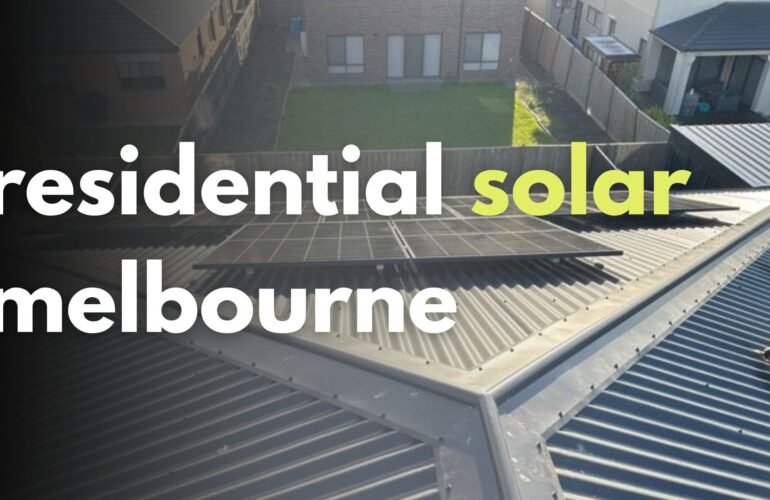
In 2026, choosing the best solar system capacity involves establishing a compromise between initial investment and long-term energy independence. A 6.6kW system with 15-16 panels generally costs between $4,000 and $6,500 for a typical Australian home, saving an estimated $1,400 to $2,200 per year. Those with larger energy consumption, such as families with electric cars or pool pumps, frequently choose the 10kW system; this arrangement requires 22-24 panels and costs between $7,500 and $12,000, with the potential to reduce electricity bills by $2,400 to $3,500 per year. For large-scale residential demands or all-electric houses, a 13.2kW system with 30-32 panels gives maximum production for $10,000 to $14,500, resulting in considerable annual savings of $3,500 to $4,800.
How Much Does Solar Panel Installation Cost?
The cost of solar panel installation includes more than simply the panels. When you get a price for how much solar installation costs, you’re paying for four main categories:
- Hardware (40-50%): The cost of the PV panels and the inverter (the system’s “brain”).
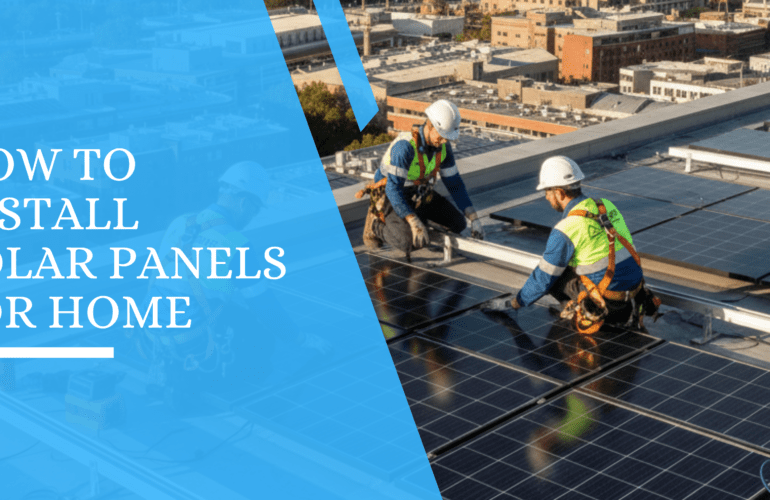
- Labour and Engineering (25-30%): The physical work done by SAA Certified (Solar Accreditation Australia) installers.
- Mounting and electrical (10-15%): This includes the racking that mounts the panels to your roof as well as the specialist wiring.
- Compliance and net metering (5-10%): include grid connection costs and safety certifications.
Factors That Increase Installation Prices
- Multi-Storey Homes: Accessing a second or third story needs scaffolding, which increases the cost of solar panels.
- Roof Material: Installing on terracotta tiles or flat concrete roofs requires more labor than conventional tin (Colorbond).
- Switchboard Upgrades: If your property is older, you may need a $500-$1,500 modification to suit a higher solar load.
Solar Panels for House Cost with Adding a Battery
The Australian solar approach has moved dramatically from “exporting to the grid” to “powering your own life.” While installing a battery boosts the initial cost of your solar power system, it is the most efficient approach to avoid increasing peak energy bills, which now routinely exceed 45 cents per kWh. A conventional 6.6kW system with a 10kWh battery generally costs between $13,000 and $18,000 after federal STC rebates and current battery rebates are applied.
This configuration acts as a financial buffer against grid fluctuation. Instead of returning your extra daytime production to the provider for a pitiful 5-cent feed-in tariff, you are saving that energy to power your house during the costlier nighttime hours. With current lithium-ion batteries now warrantied for 10-15 years and total system payback times approaching 7 years, the cost of installing solar panels with storage has officially shifted from a “tech luxury” to a key long-term wealth strategy for the ordinary household.
How Much Should Solar Cost? Avoiding "Shonky" Quotes
While you may find ads offering a 6.6kW system for $2,999, be careful. In Australia’s solar sector, “too good to be true” often means:
- Low-quality inverters: typically breakdown after 3-5 years.
- Uncertified labour: Potentially unsafe wiring and poor roof sealing.
- No once-Sales Support: Companies that disappear once you file a warranty claim.
To guarantee you obtain a fair solar system cost, make sure your retail location is an Approved Solar retailer and utilizes SAA Certified installers.
Solar Rebate Update 2026: Don't Miss Out on Stacking Victorian rebates
The Australian solar market is heavily subsidized, but the “window of opportunity” is closing. By combining federal and state rebates, you may save more than $6,800 on your first solar power installation cost. However, with the federal “deeming period” for STCs decreasing on a yearly basis, taking action sooner rather than later is the most efficient method to safeguard your ROI.
The Federal STC Discount
All Australian installations are eligible for Small-scale Technology Certificates (STCs), which provide as an upfront point-of-sale discount. In 2026, a basic 6.6kW system will cost between $1,600 and $1,900 less for solar panels. It should be noted that a huge “rebate cliff” comes on May 1, 2026, when government funding for larger batteries (above 14kWh) is drastically decreased, possibly costing procrastinators over $600 in lost savings.
Victorian-Specific Support: Solar Victoria
If you live in Victoria, you may benefit from the Solar Homes Program, which provides some of the highest rebates in the nation.
- The Solar Panel Rebate: Direct deduction of up to $1,400 for qualified homeowners and rental properties.
- Interest-Free Loan: An optional $1,400 loan (which matches the rebate) that you may repay with no interest over four years.
- 10-Year update Rule: Effective 2026, if your present system is more than ten years old, you may be eligible for a grant to update to new N-Type technology.
The “stacked” Savings Strategy
Combining these discounts allows a Victorian home to instantly save $3,200 on the out-of-pocket cost of an 6kW or 10kW system. When combined with the government Cheaper Home Batteries discount, which covers around 30% of your battery cost, the entire financial assistance makes 2026 the best year to move to a complete hybrid solar system.
Summary: How Much to Install Solar Power?
The cost of installing solar panels in Australia is lower than ever, After government STC credits, the out-of-pocket cost of installing solar panels for a conventional 6.6kW system is between $4,000 and $6,500. If you live in Victoria, you may reduce the price even further to between $2,800 and $3,700 by combining the Solar Victoria rebate and an interest-free loan. For those considering bigger 10kW installations or adding a 10kWh battery, the entire solar power installation cost typically runs between $13,000 and $18,000, providing a complete solution that may cut your yearly energy expenditures by up to 90 percent.
Talk to Our Expert