Shaded Roofs in Melbourne? Why Micro-Inverters Outperform String Systems in High-Density Living
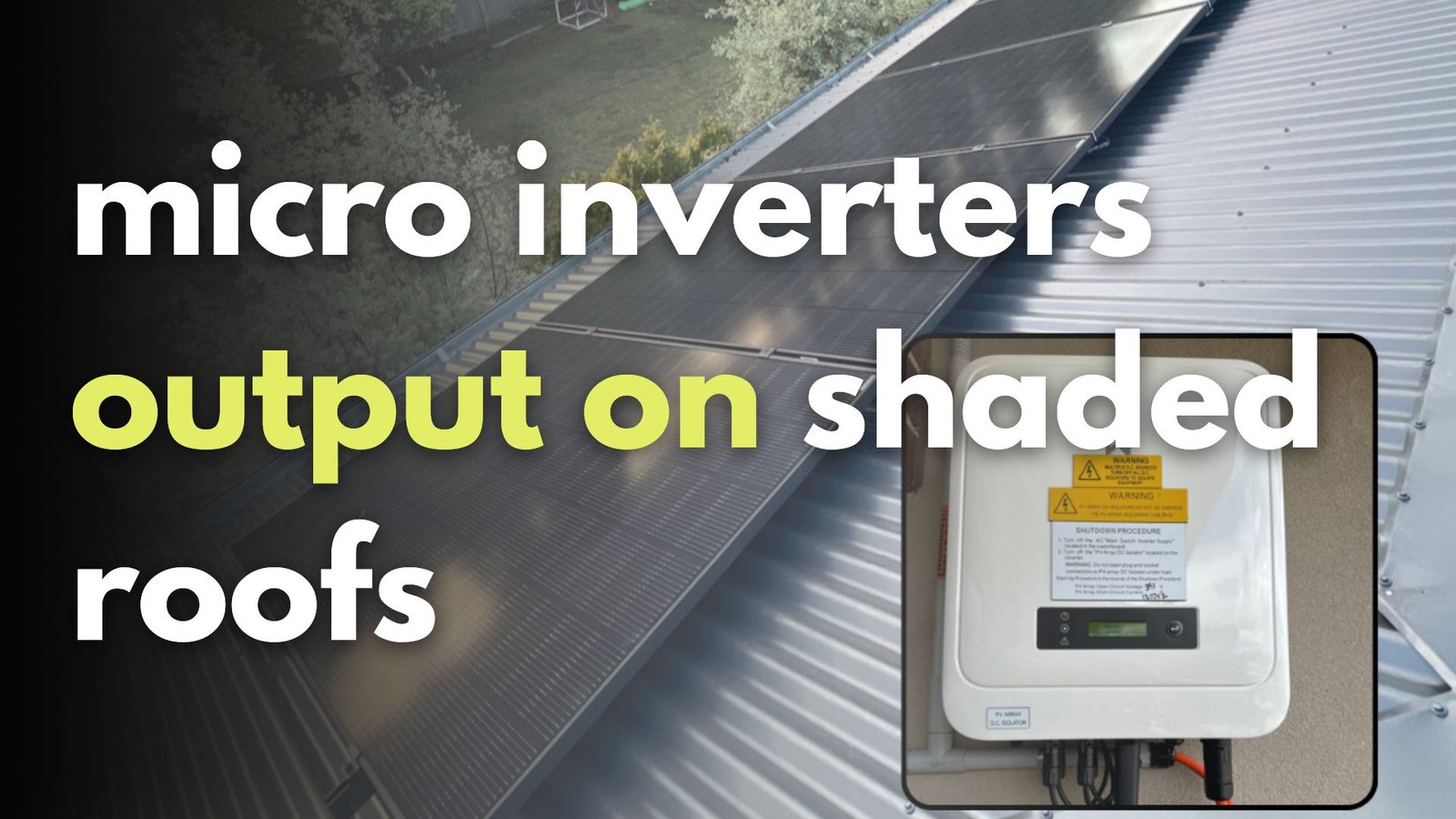
In Melbourne, you often have to live near to your neighbours. There are townhouses, duplexes, and small housing blocks all over the place. This kind of living is easy, but it makes it hard for solar panels to get enough sunlight. For some of the day, trees, chimneys, surrounding buildings, and even TV antennas may block sunlight. That’s why micro inverters output on shaded roofs have become such an important subject for homeowners who want their solar panels to work well.
Traditional solar systems were made for rooftops that are wide open and have no obstacles in their way. But that’s not how most roofs in Melbourne are now. Shade is impossible to avoid in suburbs where the population is expanding and the blocks are getting smaller. The good news? Technology has changed to fit these real-world situations. For roofs that are shaded or have a lot of angles, micro-inverters are turning out to be a better choice than old-style string systems.
Get a Free Quote
Why Shading Is So Common in Melbourne Homes
Some parts of Melbourne are old, while others are new. Many older homes have tall trees that were planted a long time ago. Houses on modern properties are built close together. Your roof isn’t getting direct sunlight all day anymore when you add multi-story buildings, carports, pergolas, and rooftop equipment.
Solar is not useless just because it is in the shade. It just means that your system has to be better planned. A lot of homeowners still think that all solar systems work the same way, but that’s not the case. The way the panels are connected up to the inverter makes a big difference in how effectively they work in the shadow.
How String Inverters Work (and Where They Struggle)
A string inverter connects a number of solar panels in a row, which is called a “string.” All the panels in that string work together like Christmas lights on a single wire. This system is easy to use and doesn’t cost much, but it has a huge problem: if one panel doesn’t work well, the whole string is affected.
If a tree branch or roofline close casts a shadow on just one panel, the output from the whole string can plummet. This is especially annoying in places with a lot of people when the shade changes during the day. Your system is always being held back by its weakest panel, whether it’s in the morning or the afternoon.
This is why a lot of people in Melbourne are unhappy after putting in solar panels using a basic string system. They thought they would save a lot of money, but the darkening made their outcomes worse.
How Micro-Inverters Change the Game
Micro-inverters work in a different way. Each panel has its own mini inverter attached to the bottom, so there isn’t just one inverter for all of them. This means that each panel works on its own.
Only the shading panel will lose performance if one panel is shaded. The rest keep working at full speed. Micro-inverters are great for rooftops that are partially shaded or have roofs with different angles.
This is where micro inverters output on shaded roofs really stands out. The weakest panel is no longer a problem for you. Your system changes to fit the amount of direct sunlight in the real world during the day.
Real-World Performance in High-Density Living
When users compare systems, they typically want to know how well micro inverters output on shaded roofs in compact urban blocks. The answer is easy: under these situations, micro-inverters normally make more useful energy over a period of a year than string systems.
Think of a row of townhouses with roofs that point in different directions. All of the panels must work together with a string system. Micro-inverters make it possible for panels facing east to operate well in the morning and panels facing west to work well in the afternoon.
Data from actual installations shows that micro inverters work better on roofs that are shadowed all day, especially when the shadowing is uneven or travels over the roof. That means better daily output, more power used by the system itself, and more savings over time.
Safety Benefits That Matter in Busy Neighbourhoods
Micro-inverters are also safer. They work with less DC voltage than string systems. This is important in a crowded suburb where residences are close together and fire safety is a big problem.
The system shuts down immediately when the grid goes down or when maintenance is needed because of micro-inverters. This is safer for installers, firefighters, and homeowners. People don’t typically think about safety when they think about solar, but it becomes quite critical when residences share walls or are only a few meters away.
Better Monitoring and Faster Fault Detection
Another huge advantage is the ability to keep an eye on things. With micro-inverter systems, you can observe how each panel is doing on its own. You will know exactly which panel is dirty, broken, or shaded more than you thought it would be.
You can track true performance instead of guessing when you design for micro inverters output on shaded roofs. This helps you keep the system running at its best throughout the lifespan and makes sure that tiny faults don’t accumulate into large losses.
What About Cost?
Yes, micro-inverters normally cost more up front than regular string inverters. But they often pay for themselves by producing more energy on roofs that are shaded or have a lot of angles.
A string inverter might work if your roof was completely exposed and had no shade. But that’s not how most residences in Melbourne are. A cheaper solution can end up costing more in the long run if you include the lost production from shade.
If you worry about how micro inverters output on shaded roofs, it’s also easier to keep them up. If one panel breaks, the whole system doesn’t stop working. Repairs are easier and less disruptive, which is good for the long run.
Environmental Impact and Smarter Energy Use
Better solar performance is not just about saving money. It is also about reducing reliance on coal-based electricity. When your system works efficiently despite shading, you use more of your own clean energy and draw less from the grid.
For families, better micro inverters output on shaded roofs translates to steadier bills and a smaller carbon footprint. Even during winter, micro inverters output on shaded roofs can beat traditional strings because each panel captures what sunlight it can without being dragged down by others.
Why System Design Matters as Much as Equipment
Micro-inverters alone are not a magic solution. Panel placement, roof angle, and shading patterns must still be analysed properly. A professional installer should look at how shadows move across your roof throughout the day and year.
That is where experience makes a difference. Our team at electricalmasters.com.au focuses on maximising micro inverters output on shaded roofs for Melbourne homes. We design systems based on real conditions, not just roof size. This means checking tree shade, neighbouring buildings, and future developments that might block sunlight later.
High-Density Living Needs Smarter Solar
Melbourne is growing. Blocks are getting smaller, and houses are getting closer. Rooftop solar has to adapt to this new reality. String systems were designed for farms and wide suburban roofs. Micro-inverters are designed for modern urban living.
They handle shade better, adapt to mixed roof directions, improve safety, and give you better control over performance. Over 20 to 25 years, these benefits add up to real savings and peace of mind.
Final Thoughts
If your roof has trees, nearby buildings, or different angles, your solar system should be built for that challenge. Instead of forcing an old-style solution onto a modern problem, micro-inverters offer a smarter path forward.
In short, micro inverters output on shaded roofs is the smarter choice for high-density living. With better performance, improved safety, and long-term reliability, they help Melbourne homeowners get more value from their solar investment—even when sunshine is not perfect.
If you want a solar system that works with your roof, not against it, choosing micro-inverters and an experienced local installer can make all the difference.