How Solar Panels Perform in Hot Weather: Complete Guide for Homeowners
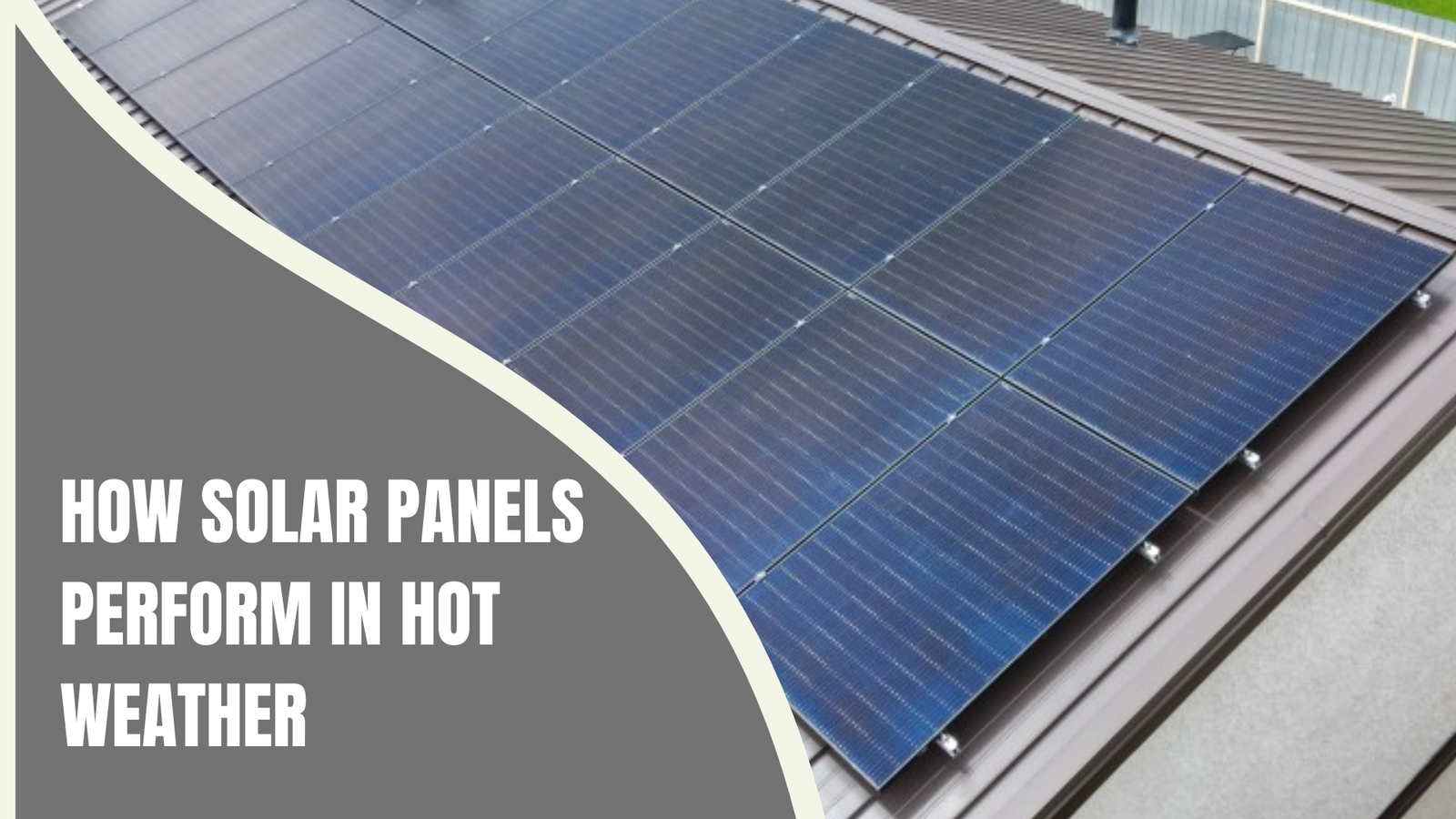
If you live in a warm or hot area, you might be curious in how solar panels perform in hot weather and if high temperatures make them less efficient. The answer is simple: solar panels work best in sunlight, but very hot weather can make them work a little hard. But if you design your system correctly, use high-quality parts, and install it correctly, your panels will still make a lot of clean energy, even on the hottest days.
In this article, we explain how solar panels perform in hot weather, what affects their production, how to get the most out of them in hot Australian temperatures, and why going solar is still one of the best things homeowners can do.
Get a Free Quote
Do Solar Panels Work Better in Heat?
People usually think that solar panels work best when it’s hot outside since they need sunlight to make electricity. But there’s a little twist.
Solar panels work best when it’s cool and bright outside, not when it’s very hot. They still operate well on hot days, but their electrical parts also get warm, which makes them difficult to work with and affects their performance.
That’s why it’s important to know how solar panels perform in hot weather when picking the right system.
How Heat Affects Solar Panel Efficiency
To properly know how solar panels perform in hot weather, let’s look at what happens inside the panel.
1. The Temperature Coefficient
Every solar panel has a specification called the temperature coefficient.
This number shows you how much efficiency drops for every degree above 25°C.
Example:
If a panel has a coefficient of -0.35%, and the temperature rises to 40°C (15° above 25°C), the panel may produce about 5.25% less power.
The lower the temperature coefficient, the better a panel performs in hot climates.
2. Panel Material Matters
Different solar panel technologies handle heat differently:
Panel Type | Performance in Heat |
Monocrystalline | Best for hot weather, high efficiency, stable output |
Polycrystalline | Slightly lower performance under extreme heat |
Thin-Film | Great heat resistance but lower overall efficiency |
If you live in Australia, especially Victoria, NSW, or QLD, monocrystalline panels are usually the best choice because they’re engineered to handle heat extremely well.
3. Airflow Under Panels
When analyzing how solar panels perform in hot weather, ventilation is an important factor.
Rooftop solar panels are mounted with a space below.
This allows air to circulate through the panels, naturally cooling them. Better airflow equals higher efficiency.
That is why professional installation by an experienced solar company like Electrical Masters is necessary. Poor installation traps heat, reducing overall output.
Do Hot Summer Days Mean Less Solar Energy?
Not necessarily. Even though heat slightly lowers efficiency, hot summer days still deliver the highest solar production of the year because:
- The sun stays out longer
- Solar irradiance is stronger
- More daytime hours = more energy collection
This is why solar electricity works well even in hot places like India, Australia, Dubai, and regions of the US.
When homeowners know how solar panels perform in hot weather, they can see that the overall effect on performance is minor compared to the many benefits of solar energy.
Strategies to Maximise Solar Output in Hot Weather
Now that you understand how solar panels perform in hot weather, let’s look at how you can maintain excellent energy production even during peak summer months.
1. Choose Panels with Low Temperature Coefficient
Premium brands like LG, REC, Jinko, and Trina offer panels with lower heat sensitivity.
Lower temperature coefficient = better hot weather performance.
2. Install Panels with Proper Ventilation
A well-designed system ensures:
- Good air circulation under panels
- Proper height from the roof surface
- No blockages that trap heat
This significantly improves performance on hot days.
3. Use High-Quality Inverters and Batteries
A high-efficiency inverter ensures minimal energy loss during hot temperatures.
Pairing your system with a battery also helps you maximise energy stored during the day and use it during the night or cloudy periods.
4. Consider Tilt Angle and Roof Orientation
Your installer should evaluate your roof to ensure:
- Optimal tilt for maximum sunlight exposure
- Panels face true north (for Australia)
- Minimal shading
All these factors improve solar panels perform in hot weather.
5. Regular Maintenance
Dust buildup, bird droppings, and pollution reduce efficiency even more during summer.
A simple clean every 6–12 months keeps your system running at peak capacity.
Can Solar Panels Overheat?
Panels don’t usually get so hot that they stop working. They are built to deal with high temperatures and UV radiation.
But if the panels get too hot (above 65–70°C), they may not work as well for just a few hours. This drop is typical and to be expected.
Homeowners may be sure that their solar panels are safe, reliable, and built to last in the summer heat if they know how they work in hot weather.
Why Solar Panels Are Still a Great Choice for Hot Climates
Even with minor efficiency drops, solar energy remains one of the most cost-effective and environmentally friendly solutions for hot regions.
Here’s why:
High sunlight exposure = high annual output
Even with heat-related losses, overall generation stays high.
Lower electricity bills
Summer is when people use the most energy (air-conditioning).
Solar panels offset that cost dramatically.
Long lifespan
Quality solar panels are designed to survive:
- UV exposure
- high temperatures
- storms
- coastal conditions
Better return on investment
Even under hot conditions, solar panels pay for themselves in 3–6 years in many regions.
Should Homeowners Be Worried About Hot Weather Performance?
No. Most of the time, the loss in efficiency is fairly minimal, ranging between 5 and 10% on particularly hot days.
Choosing the right panels and installing them correctly keeps performance high all year.
This explanation on how solar panels perform in hot weather explains that even though heat might alter how much power they generate the benefits of solar energy far exceed any minor differences in performance.
Frequently Asked Questions (FAQs)
No. Solar panels continue to work efficiently, but their output might drop slightly as temperature rises.
Most solar panels operate safely up to 85°C, but performance begins to decline after 25°C cell temperature.
Ensure proper ventilation, regular cleaning, and choose panels with a low temperature coefficient.
Sunlight is far more important. Panels need light—not heat—to generate energy.
Yes. Brands like REC, Jinko, QCells, and Trina offer panels with excellent hot-weather performance.
Final Thoughts
You can make better choices about the solar panel system to choose for your home if you know how solar panels perform in hot weather. Heat can lower efficiency a little, but the effect is minor, tolerable, and generally obscured by the bright sunlight and long summer days that increase energy production.
Your solar system will keep saving you money, even when it’s really hot, if you install it correctly, use high-quality parts, and keep it up to date.
Talk to Our Expert