
What Is the Difference Between String, Hybrid, and Micro Inverters? Full Guide for Homeowners
One of the most typical questions people have when they start their solar journey is, “difference between solar panel inverters” And it’s an excellent question because your inverter is the most important part of your solar system. It determines how well your solar panels convert sunlight into electricity that you can use.
This guide will clearly explain each type of inverter, compare their performance, and help you grasp the what’s the difference between string, hybrid, and micro inverters. so you can make an informed decision that will last. This advice from Electrical Masters, Victoria’s trusted solar installation professionals, will help you pick the best inverter for your home, whether you’re building a new solar system or upgrading an old one
Get a Free Quote
Why Understanding the Diffrence Between Solar Panel Inverters Matters
Your solar panels may capture the sunlight, but the inverter is the device that actually turns that sunlight into electricity you can use. The right inverter:
- Boosts your energy production
- Reduces your electricity bills
- Improves system safety
- Prepares your home for future battery upgrades
- Ensures long-term reliability
Choosing the wrong one can result in lower efficiency, higher expenses, and fewer system upgrade possibilities. That is why understanding the difference between solar panel inverters is so important for all homeowners.
1. What Is a String Inverter?
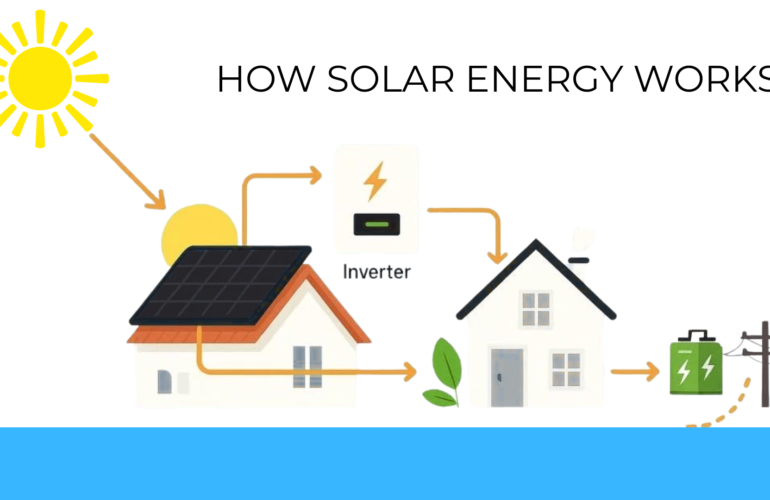
The string inverter is the most popular and oldest form of inverter used in Australian residences. It connects several solar panels into a “string” and then turns all of their DC power into AC power from one central device.
How It Works
- Solar panels are wired together in a series (a string).
- The entire string sends power to one main inverter.
- The inverter converts DC to AC for home use.
Advantages of String Inverters
- Cost-effective (most budget-friendly option)
- Easy to install
- Fewer components → Lower maintenance costs
- Reliable long-term performance
Disadvantages of String Inverters
- Shading issues: If one panel is shaded, the whole string slows down
- No individual panel monitoring
- Harder to expand your system later
Best For:
- Homes with minimal shading
- Simple roof designs with all panels facing the same direction
String inverters are widely used in Victoria because they provide a strong balance of affordability and performance—but they aren’t always the most efficient option.
2. What Is a Hybrid Inverter?
A hybrid inverter is a cutting-edge, modern inverter that can operate with both solar panels and batteries. Consider it a “smart inverter” suited for homeowners that are planning to install a battery now or later.
How It Works
- Converts DC solar power to AC for your home
- Stores excess energy in a solar battery
- Supplies backup power during outages (depending on model)
Advantages of Hybrid Inverters
- Fully battery ready
- Maximum energy flexibility
- Can provide blackout protection
- Individual energy flow control
- Works efficiently in modern smart homes
Disadvantages of Hybrid Inverters
- Costs more than a string inverter
- More complex installation
Best For:
- Homeowners planning to add a solar battery
- Homes wanting backup power
- People wanting high bill savings and maximum self-consumption
Hybrid inverters are becoming extremely popular across Melbourne and Victoria because of increasing electricity prices and government battery incentives.
3. What Is a Micro Inverter?
Each solar panel has a small inverter called a micro inverter. Instead of controlling power from several panels at once, each panel gets its own small inverter..
How It Works
- Every solar panel converts its own DC power into AC
- No central inverter is required
- If one panel underperforms, others are not affected
Advantages of Micro Inverters
- Best performance under shading
- Panel-level monitoring
- Safer system (low-voltage transmission)
- Perfect for complicated roofs
- Easier to expand your system later
Disadvantages of Micro Inverters
- Higher upfront cost
- Harder to repair (because each panel has an inverter)
Best For:
- Homes with shading issues
- Roofs with multiple orientations
- Customers wanting maximum efficiency
Micro inverters give some of the highest energy yields in the industry—especially for roofs that aren’t perfectly positioned.
Diffrence Between Solar Panel Inverters: Simple Comparison Table
Below is the easiest way to understand the Diffrence between solar panel inverters at a glance:
Feature | String Inverter | Hybrid Inverter | Micro Inverter |
Cost | Low | Medium-High | High |
Works with Battery | No (unless added separately) | Yes | Yes (but costly) |
Shading Performance | Poor | Good | Excellent |
Monitoring | System-level | System & battery-level | Panel-level |
Roof Types | Simple | Most roofs | Complex roofs |
Upgrade Flexibility | Moderate | Excellent | Excellent |
Efficiency | Moderate | High | Very high |
Understanding this table already gives you a clearer picture of the Diffrence between solar panel inverters, and which one suits your needs.
Detailed Comparison: Diffrence Between Solar Panel Inverters
Below is a deeper dive into the real-world Diffrence between solar panel inverters so you can make a confident decision.
1. Performance in Shaded Conditions
- String inverter: Worst performance. One shaded panel drags down the whole string.
- Hybrid inverter: Better performance because of MPPT optimisation.
- Micro inverter: Best performance; shading affects only one panel.
2. Battery Compatibility
- String inverter: Requires an expensive additional battery inverter
- Hybrid inverter: Battery-ready
- Micro inverter: Works with batteries but needs special equipment and costs more
If you’re planning a battery, the Diffrence between solar panel inverters becomes crucial—hybrid wins easily.
3. Monitoring & Control
- String → system-level
- Hybrid → system + battery
- Micro → panel-level analytics
Micro inverters offer the most advanced monitoring.
4. Installation & Maintenance
- String: Easiest & cheapest
- Hybrid: Slightly more complex
- Micro: Most time-consuming
5. System Lifespan
- String inverter: 10–12 years
- Hybrid inverter: 10–15 years
- Micro inverter: 20–25 years (longest lifespan)
Real Recommendation from Electrical Masters
At Electrical Masters, we install all three inverter types based on the customer’s home, roof design, and long-term goals. Here is our expert recommendation:
- Choose string inverters if you want an affordable, simple setup.
- Choose hybrid inverters if you plan to add a battery—now or later.
- Choose micro inverters if your roof is shaded or has multiple angles.
We help you figure out which inverter will provide you the most electricity every day and save you the most money over time by looking at your roof, energy use, and budget.
Our in-house experts are ready to help you understand the difference between solar panel inverters.
Final Thoughts: Which One Should You Choose?
Understanding the Diffrence between solar panel inverters helps you:
- Maximise solar output
- Reduce long-term costs
- Improve reliability
- Prepare for battery storage
- Boost your energy independence
Each inverter type string, hybrid, and micro has advantages. The best option depends on your residence, shading, energy consumption, and future goals.
If you’re not sure, Electrical Masters can provide you a free assessment and assist you select the ideal inverter for long-term performance and savings.
Frequently Asked Questions (FAQs)
The main Diffrence between solar panel inverters is how they convert power, handle shading, and work with batteries. Micro inverters offer panel-level control, hybrid inverters support batteries, and string inverters manage multiple panels through one unit.
Micro inverters are best because shading affects only one panel—not the entire system.
Yes, especially if you plan to install a battery now or in the future. Hybrid inverters give you flexibility and energy independence.
Yes, micro inverters typically last 20–25 years—longer than most string inverters.
Micro inverters generally deliver the highest output because each panel works independently.
Absolutely. Electrical Masters specialises in all inverter types and can guide you based on your home’s layout, shading, and energy needs.
Talk to Our Expert