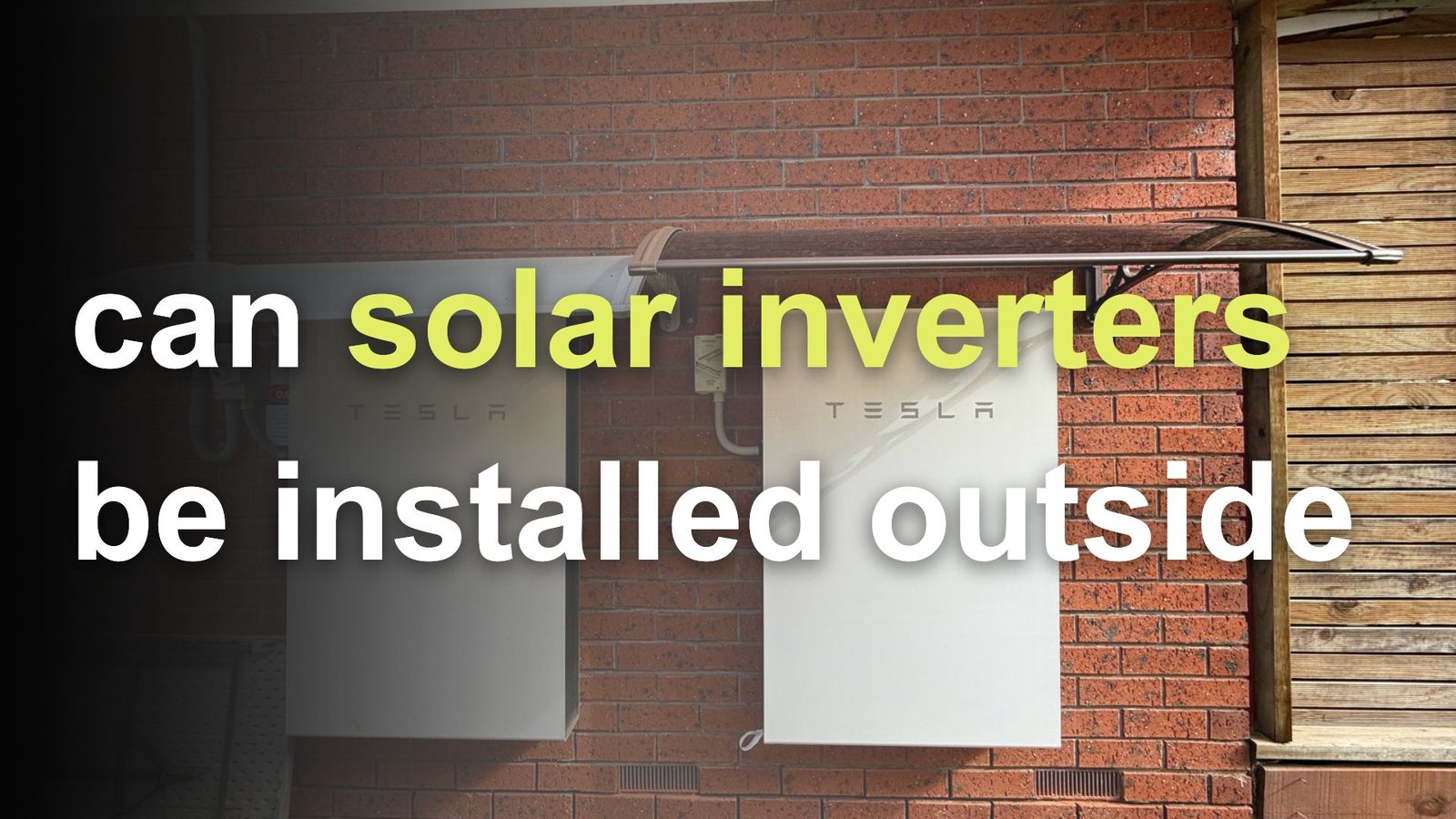
Can Solar Inverters Be Installed Outside? Everything You Need to Know
One of the most typical questions homeowners have when they want to install a solar power system is, Can solar inverters be installed outside? This is an important issue because the inverter is what makes your solar system work. It changes the electricity that your solar panels generate into power that you can use in your house or company. The location of this equipment can have a direct impact on how well it works, how long it lasts, and how safe it is.
This in-depth article will cover everything you need to know about installing an outdoor solar inverter, including safety, weather protection, the best places to put it, the advantages and downsides, and what professionals need to do to install it. We’ll also show you how Electrical Masters makes sure that your inverter is installed correctly and safely for long-term use.
Get a Free Quote
What Is a Solar Inverter and Why Location Matters
The solar inverter is the most important part of a solar power system. It changes the DC electricity that your solar panels make into AC electricity that your home or business can use. Your solar system can’t power your appliances without an inverter.
The inverter is quite sensitive to things like heat, moisture, dust, direct sunlight, and bad ventilation because it runs every day and handles heavy electrical loads. These things can have a direct impact on how well the inverter functions and how long it lasts.
This is why it’s so important to pick the right place to install it. If you set an inverter in the wrong spot, it could overheat, break down, or shut down more often, which would make it work less well, use less energy, and last less long.
Can Solar Inverters Be Installed Outside? (Direct Answer)
The short answer is yes — can solar inverters be installed outside safely when they are designed for outdoor use and installed correctly.
Most modern solar inverters are built with weather-resistant enclosures and carry IP (Ingress Protection) ratings that allow them to operate outdoors. However, outdoor installation still requires:
- Protection from direct sunlight
- Proper ventilation
- Correct mounting height
- Compliance with electrical safety standards
This means outdoor installation is possible, but not every outdoor location is suitable.
Types of Solar Inverters Suitable for Outdoor Installation
Different inverter types respond differently to outdoor environments.
1. String Inverters
String inverters are the most commonly installed type. Many models are designed for outdoor mounting and include sealed casings to protect against rain and dust.
2. Hybrid Inverters
Hybrid inverters work with batteries and solar panels. These usually need extra protection from heat and moisture due to their battery integration. Outdoor installation is possible with correct shielding.
3. Microinverters
Microinverters are mounted directly under solar panels and are built specifically for outdoor exposure. They are sealed and engineered to tolerate harsh weather conditions.
Electrical Masters selects inverter models that are certified for outdoor use and suitable for Australian climate conditions.
Weather Resistance: Are Outdoor Solar Inverters Waterproof?
Solar inverters that are approved for outdoor use can handle normal weather conditions like rain, wind, dust, and changes in temperature. They aren’t completely waterproof like gadgets designed for underwater use, but they are water-resistant and safe to install outside if you do it right. IP (Ingress Protection) ratings tell you how protected something is.
An inverter with an IP65 rating is dust-tight and can handle water jets, while an inverter with an IP66 rating can handle even stronger water sprays. Most new outdoor solar inverters have an IP65 rating or higher, which means they may be used in storms and humid weather. But being in high heat or direct sunlight for a long time can still make the inverter work less well and last less long.
Best Locations to Install a Solar Inverter Outside
If you are wondering can solar inverters be installed outside without damage, the answer depends on location choice.
Best outdoor locations include:
- Shaded external walls
- Garages with ventilation
- Under eaves
- Carport walls
- Weather-protected utility areas
The inverter should be:
- Mounted off the ground
- Away from sprinklers
- Not exposed to direct midday sun
- Easy to access for maintenance
Electrical Masters carefully selects the safest outdoor placement based on airflow, shade, and safety regulations.
Places to Avoid When Installing Solar Inverters Outdoors
Avoid installing your inverter in:
- Direct sunlight
- Near pool equipment
- Flood-prone areas
- Next to gas meters
- Fully enclosed boxes without airflow
- High-moisture zones
Heat buildup is the most common cause of inverter failure. Poor ventilation can lead to shutdowns and system inefficiency.
How Heat, Rain, and Dust Affect Outdoor Solar Inverters
Heat
Excess heat reduces inverter efficiency and lifespan. Most inverters operate best below 40°C.
Rain
Rain itself is not dangerous to outdoor-rated inverters, but water ingress through poor mounting can cause corrosion and electrical faults.
Dust
Dust can clog ventilation ports and trap heat. Regular cleaning helps maintain performance.
Professional installation ensures correct mounting height, airflow space, and sun protection.
Do Outdoor Solar Inverters Make Noise?
Yes, it’s common for certain solar inverters to make a low humming or fan sounds when they’re working at full power. The noise is mainly created by electrical parts and cooling fans inside the device that are working to keep it cool and change the power. For outdoor installations, the right placement is very important for keeping noise to a minimum.
To keep noise from being heard inside the house, inverters should be put in places other than bedrooms and main living areas. Putting them on solid, insulated outside walls can also help cut down on noise and vibration transfer. Choosing places that are shady and well-ventilated also helps the inverter work better and more quietly.
Electrical Masters carefully chooses inverter locations that strike a balance between controlling noise and allowing for optimum airflow. This keeps the system running smoothly while also making sure that living circumstances are comfortable.
Indoor vs Outdoor Solar Inverter Installation: Which Is Better?
Whether you should put a solar inverter inside or outside your home depends on how your home is built and the weather. Installing indoors gives you better temperature control, less exposure to the weather, a quieter place to work, and often a longer inverter life. It keeps the inverter safe from rain, dust, and heat, which helps it work well over time.
But there are also a lot of good things to installing it outside. It saves room inside, makes it easier to access for repairs and maintenance, lets you utilise less cables, and works well with modern weatherproof inverter types that are made for outside use.
So, can solar inverters work just as well outside as they do inside? Yes, as long as they are installed correctly and protected from bad weather. In the end, the ideal choice depends on things like the layout of your property, the weather in your area, the ventilation alternatives you have, and whether or not the electrical system meets safety regulations.
Advantages of Installing a Solar Inverter Outside
Outdoor installation offers several benefits:
- No need for indoor wall space
- Reduced cable length
- Easier heat dissipation
- Simplified electrical layout
- Convenient meter connection
For many homes, outdoor installation is the most practical and affordable solution.
Disadvantages of Outdoor Solar Inverter Installation
Potential drawbacks include:
- Exposure to heat
- Higher dust accumulation
- Slightly shorter lifespan if poorly placed
- Risk of vandalism if accessible
These risks are minimized when you work with experienced professionals like Electrical Masters.
How to Protect an Outdoor Solar Inverter from Harsh Weather
To keep an outdoor solar inverter working well and lasting longer, you need to protect it from bad weather. To keep the inverter from getting too hot in hot weather, it should always be put in a shady spot. A purpose-built inverter cover gives an extra layer of protection against rain, dust, and dirt while still letting air circulation without restriction.
Always make sure that the ventilation ports are clear. If they are blocked, the inverter may shut down or not work as well as it should. Avoid metal enclosures since they hold in heat and make the inside hotter. Cleaning your computer often helps keep dust from building up on fans and air vents, which can slow them down.
Also, you should inspect the seals and case at least once a year to make sure that moisture can’t get inside the unit. Every outdoor inverter installation from Electrical Masters comprises safe mounting, protection from the elements, and good ventilation to make sure it works well for a long time.
Australian Standards for Outdoor Solar Inverter Installation
In Australia, inverter installation must comply with:
- AS/NZS 3000 wiring rules
- Clean Energy Council guidelines
- Manufacturer installation instructions
Failure to meet standards can:
- Void warranty
- Create fire risks
- Cause system shutdowns
- Invalidate insurance
Electrical Masters follows all regulatory and manufacturer requirements to ensure your inverter remains compliant and safe.
Why Choose Electrical Masters for Solar Inverter Installation?
Electrical Masters is a trusted solar and electrical service provider with proven experience in residential and commercial solar systems.
We provide:
- Certified solar technicians
- High-quality inverter brands
- Compliance with Australian standards
- Strategic inverter placement
- Long-term performance planning
- Full system warranty support
When customers ask can solar inverters be installed outside, our answer is always backed by professional assessment, not guesswork.
We don’t just install equipment — we design systems that last.
Maintenance Tips for Outdoor Solar Inverters
To maintain outdoor inverter performance:
- Clean dust quarterly
- Inspect for corrosion
- Ensure airflow remains clear
- Monitor error messages
- Schedule annual system checks
Electrical Masters offers ongoing maintenance plans to protect your investment.
Long-Term Performance and Lifespan
Outdoor solar inverters can last between 10 and 15 years or even longer when they are installed and maintained correctly. The key to long-term performance is proper placement and ongoing care. Inverters installed in shaded areas are less exposed to high temperatures, which helps prevent overheating and internal component damage. Correct mounting also ensures good airflow around the unit, allowing heat to escape efficiently.
Regular servicing and inspection help identify dust buildup, loose connections, or early signs of wear before they turn into major problems. Protection from extreme heat and harsh weather conditions further extends the inverter’s working life. On the other hand, poor placement, such as installing the inverter in direct sunlight or in areas with limited ventilation, can significantly reduce its lifespan and cause frequent system shutdowns.
This is why professional installation is essential for ensuring reliable performance and long-term value from your solar system.
Final Thoughts
So, is it possible to put solar inverters outside? Yes, they can be put in securely, effectively, and legally if the right choices are followed. Many homes and companies choose to put things outside since it’s easy and cheap, but it needs to be done right for it to survive. This means putting the inverter in a place that is out of direct sunlight, keeping it safe from bad weather, and making sure that it is installed by trained personnel who follow electrical codes.
With Electrical Masters, you get professional system design, installation that meets all regulations, and reliable performance for years to come. Electrical Masters can help you figure out where to put your inverter if you’re planning a solar system and aren’t sure where to put it.
Choose Electrical Masters — where your solar investment is protected from day one.
Talk to Our Expert