How to Maintain Solar Power System for Maximum Efficiency and Long Life
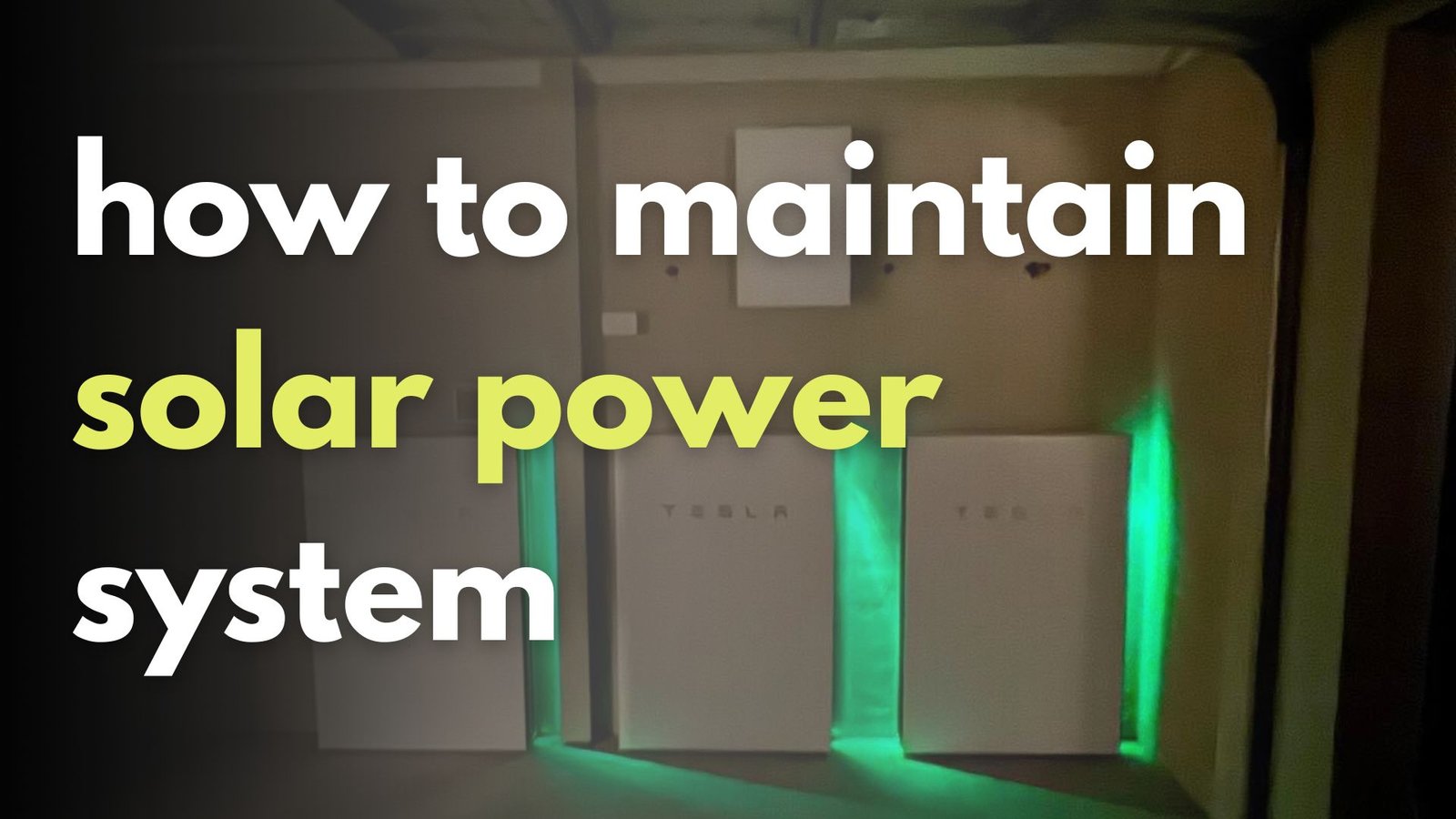
Installing a solar power system is an excellent investment for every business or household. It reduces carbon emissions, decreases utility expenses, and raises the value of your home. Your solar system, like any other power system, needs the right maintenance to stay running well. If you know how to maintain solar power system properly, you may get more energy from it, have fewer issues, and have it last longer.
At Electrical Masters, we think that maintenance is not a cost, but rather a way to safeguard your solar investment. If you hire professionals to maintain your system and follow easy homeowner instructions, it can work well for 25 years or more.
Get a Free Quote
Why Solar Power System Maintenance Is So Important
A lot of people who own homes think that solar systems are “install and forget,” but this isn’t always true. Solar power systems don’t need as much maintenance as many other electrical systems, but they still need regular care to work their best.
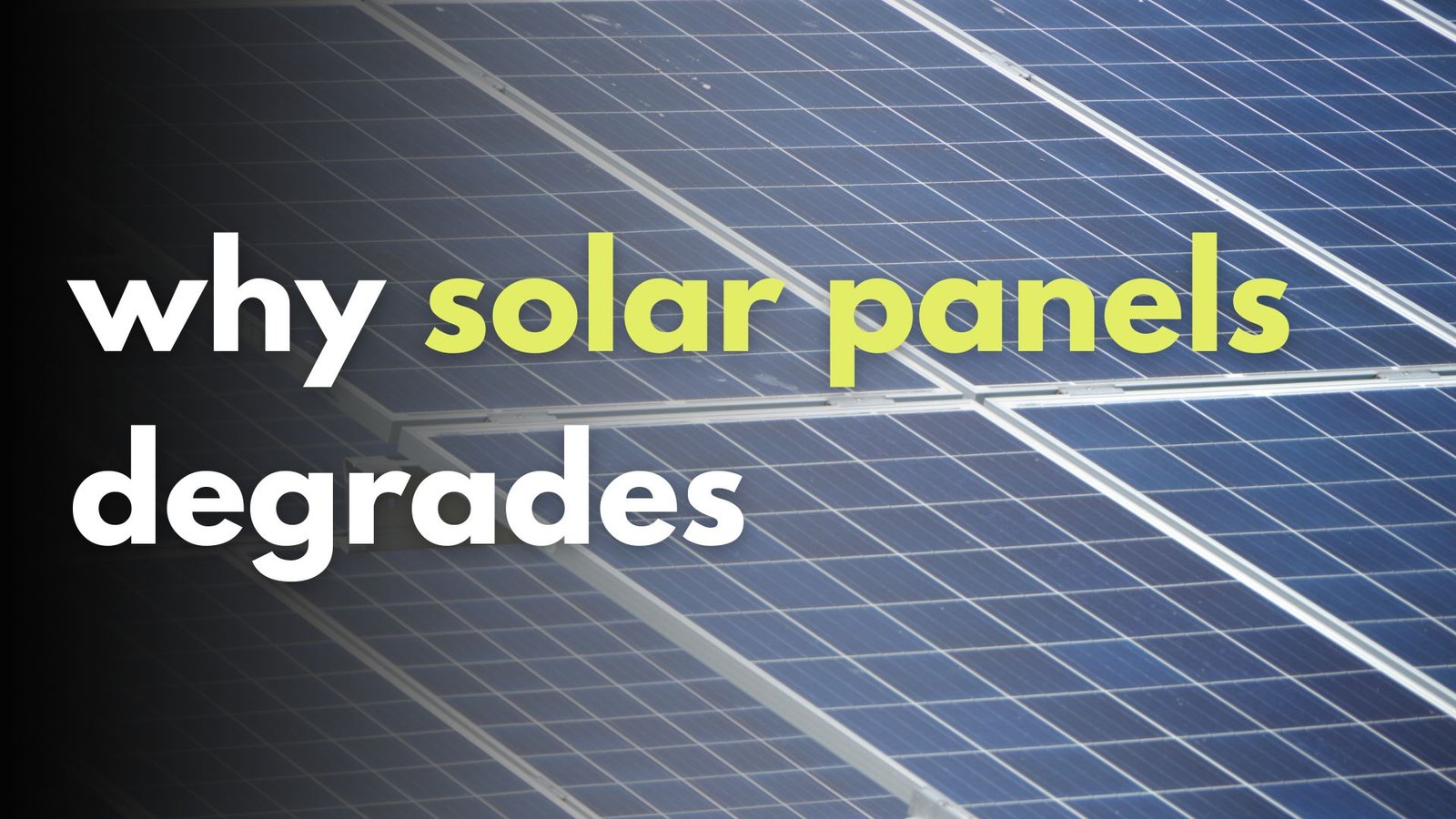
Over time, dust, bird droppings, fallen leaves, heat exposure, rainfall residue, and general damage on electrical systems may all make them less efficient. If you learn how to maintain solar power system, you can avoid wasting energy and make sure it works well all the time. Regular maintenance helps you find issues before they get worse, which may save you money on repairs or replacements.
It also protects your manufacturer’s warranties and makes critical parts like panels, inverters, and cables last longer. A solar power system that is effectively taken care of may generate up to 20% more electricity than one that is not. Over time, this upgrade may save you thousands of dollars on your electricity costs, which makes maintenance a wise and profitable option.
Know the Main Parts of Your Solar Power System
To understand maintenance, you must first know what you are maintaining:
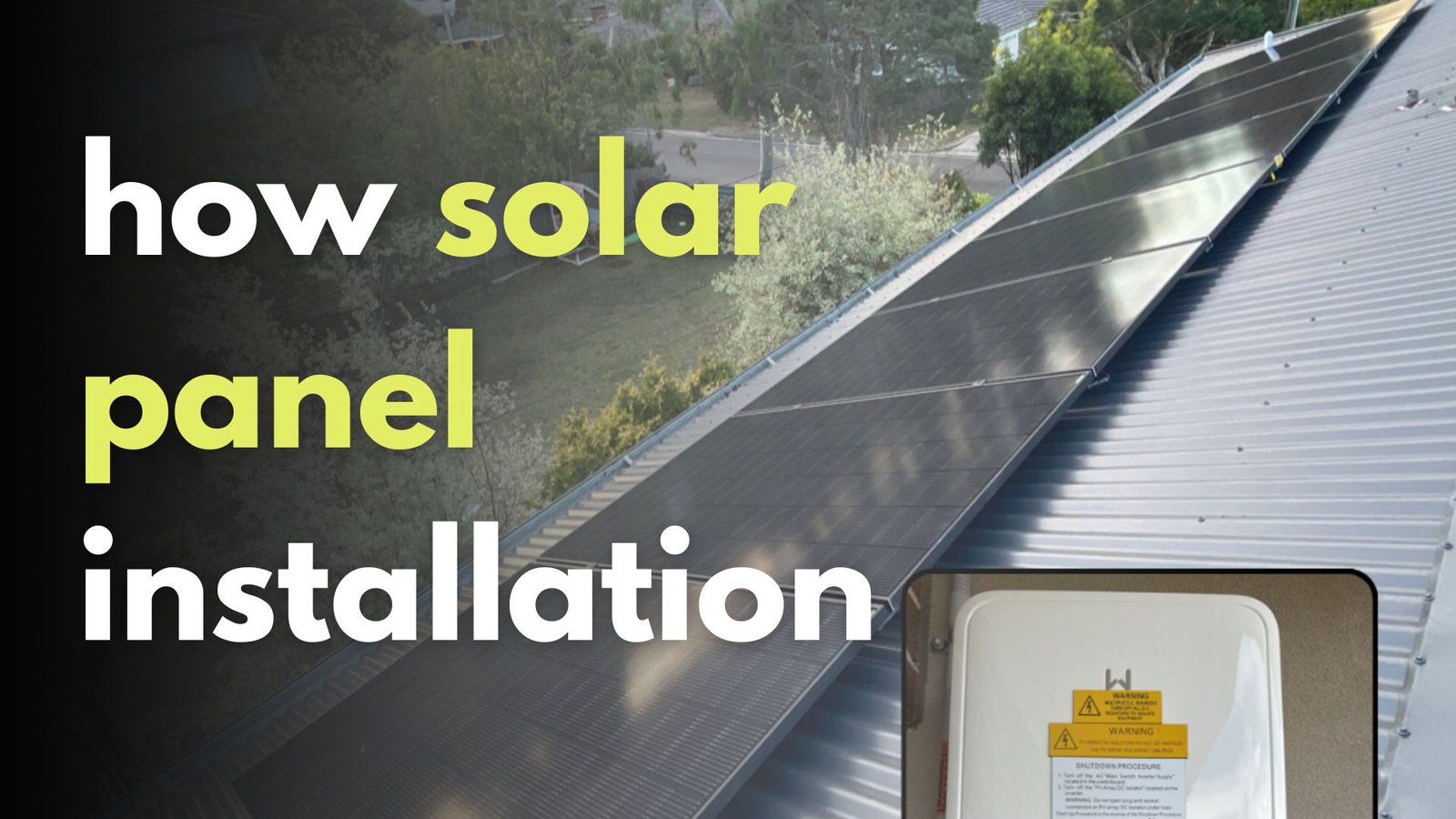
- Solar Panels – Capture sunlight and convert it into electricity
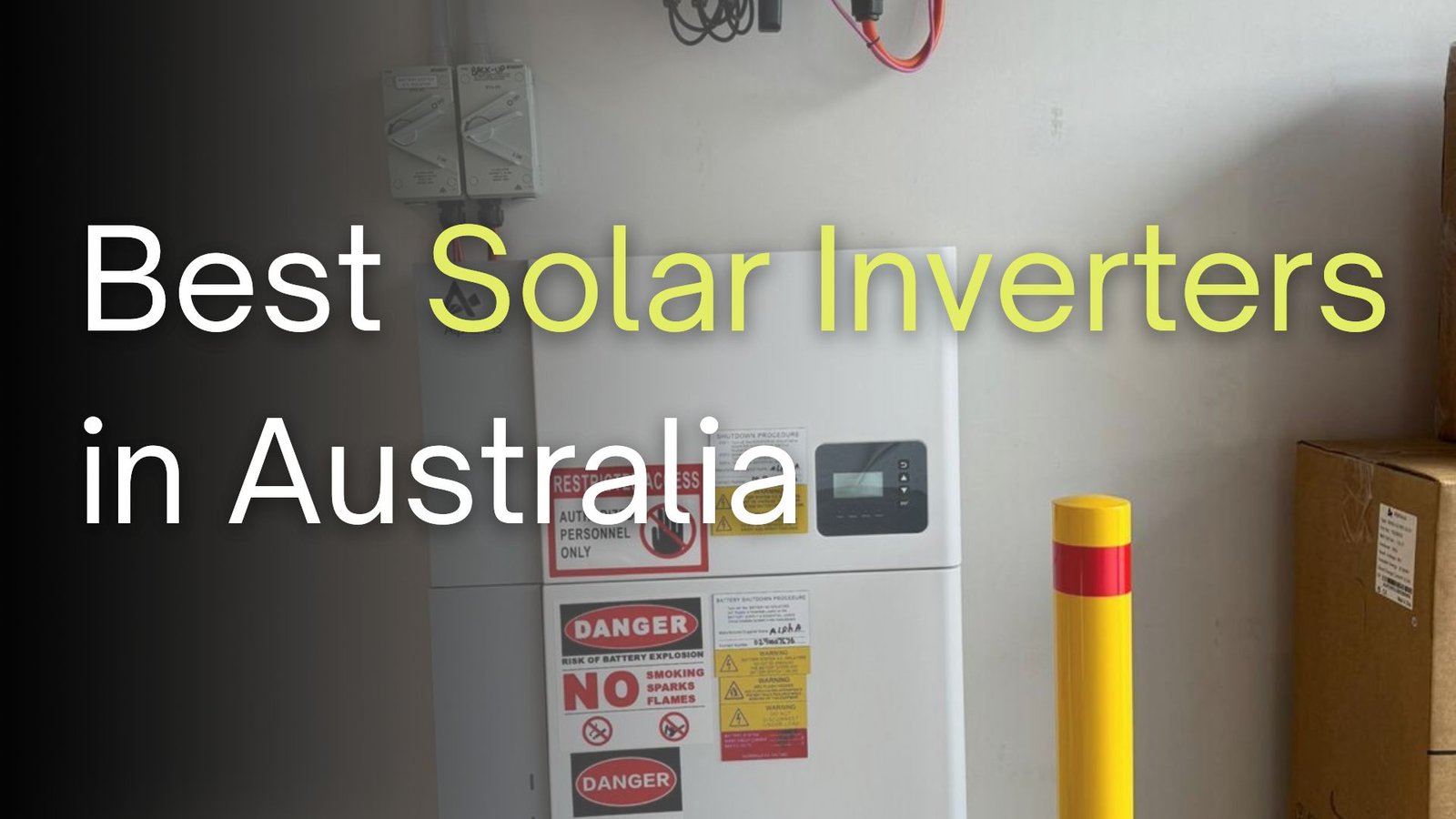
- Inverter – Converts DC power into usable AC power
- Mounting Structure – Holds panels in correct position
- Wiring & Switchgear – Transfers power safely
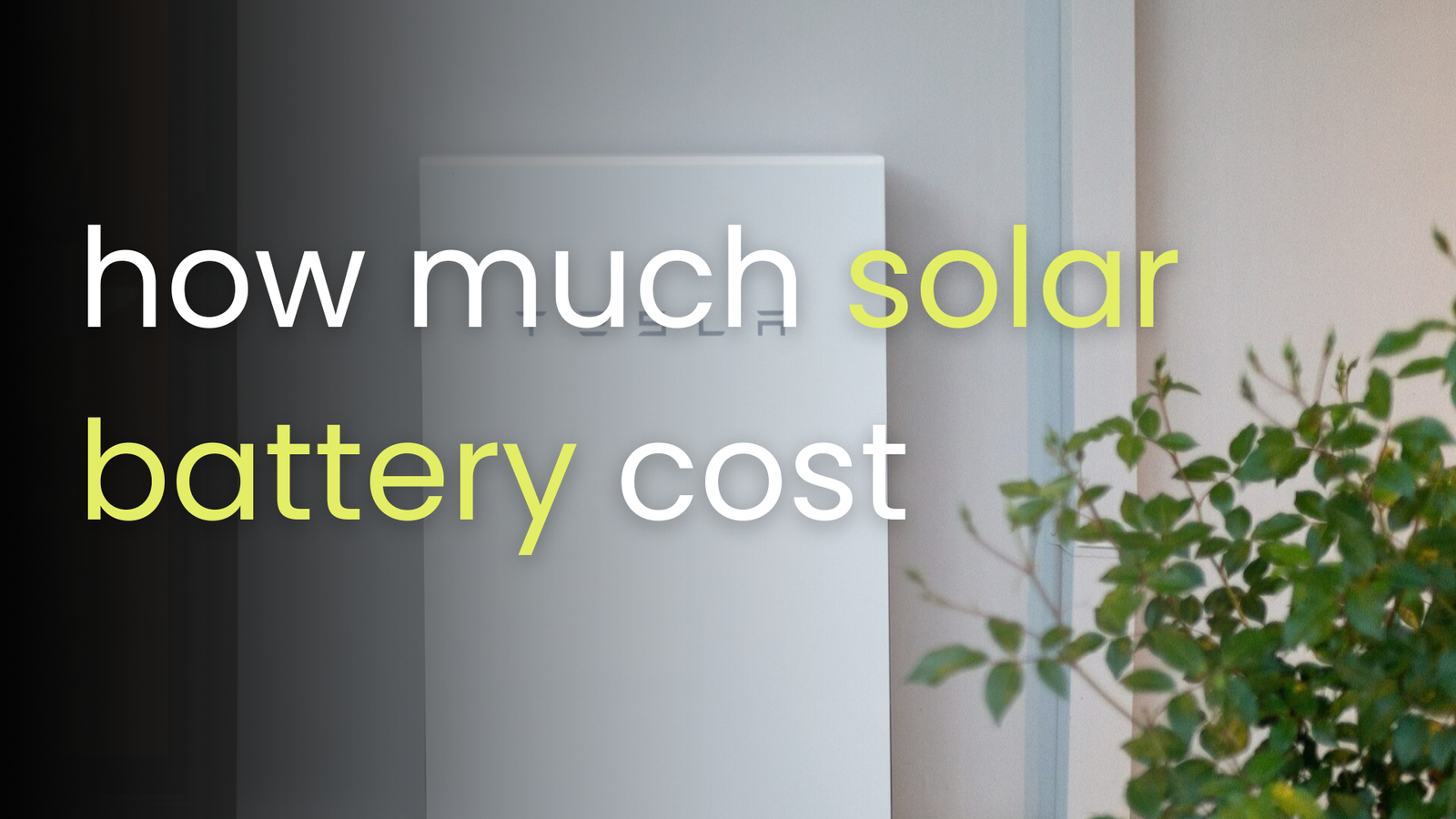
- Battery (if installed) – Stores excess energy
- Monitoring System – Tracks performance
Learning how to maintain solar power system starts with knowing these components and how they work together.
Solar Panel Cleaning: The Most Basic Maintenance Step
Cleaning your solar panels is the most basic and fundamental thing you can do to keep your solar power system running well because dirty panels provide less electricity. Even a little amount of dust or bird droppings can cut efficiency by 5–10%. To keep against damaging the panels, they should be cleaned in the morning or evening while the surface is cold. Use a soft sponge or microfiber cloth and warm water all the time. Don’t use harsh chemicals or high-pressure washers.
To be safe, the system should be turned off before cleaning, and you should not step on the panels to avoid fractures or damage to the structure. understanding how to maintain solar power system is also part of learning how to take care of it.
Every 2 to 3 months, panels should be cleaned in dirty or dusty places. In cleaner places, cleaning them twice a year is typically enough. Cleaning under bright sunlight, using detergents, or spraying cold water on heated panels are all common blunders that can hurt the protective glass layer and make the solar panels last not so long.
Inverter Maintenance: The Brain of the System
Your inverter works harder than any other component. It runs daily and handles high electrical loads.
Signs Your Inverter Needs Attention
- Warning lights or error codes
- Lower energy output
- Frequent shutdowns
- Overheating
- Strange noises
Learning how to maintain solar power system also means keeping your inverter in a cool, dry, and ventilated area. Dust around vents should be removed regularly.
Electrical Masters recommends professional inverter inspection at least once a year to ensure safe and reliable performance.
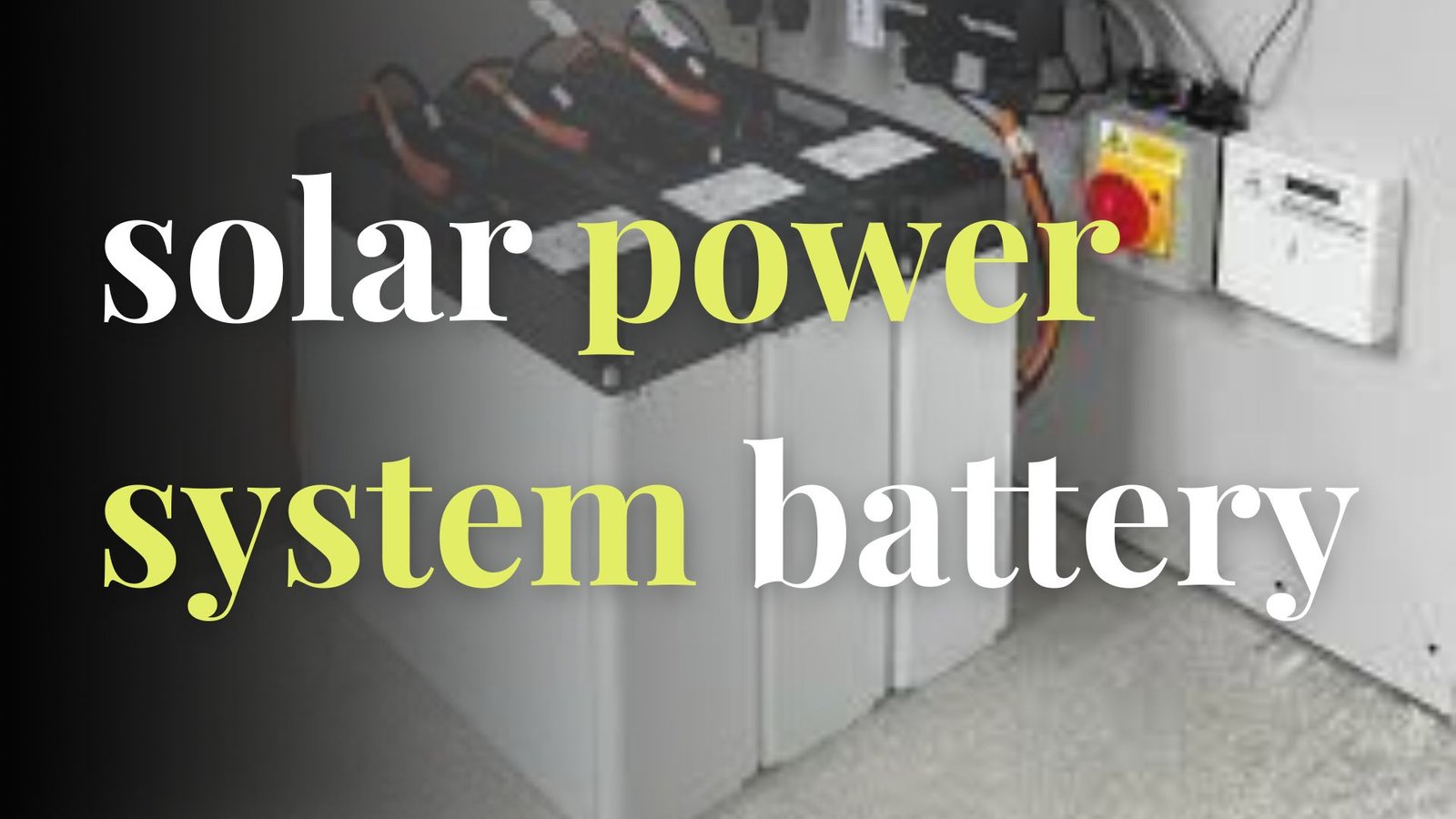
Battery Care: Only If You Have Storage
If your solar system includes batteries, they need special care.
Battery Maintenance Tips
- Avoid deep discharging
- Keep batteries in cool and dry area
- Monitor charge cycles
- Check for swelling or leaks
- Ensure proper ventilation
Knowing how to maintain solar power system with batteries is essential because batteries are one of the most expensive components. Good maintenance can double their usable life.
Monitoring System Performance
continuously keeping an eye on how well your solar system works is a key part of making sure it stays efficient. Most current solar systems come with mobile applications or web portals that show how much energy they generate each day. This makes it easy to see how effectively your system is performing. You should examine the daily output frequently, look at the monthly performance trends, and keep an eye out for unexpected drops in productivity or error warnings.
If you want to know how to maintain solar power system, you also need to know what these changes represent. Dirty panels, broken inverters, trees or buildings shading sunlight, or wiring problems can all cause a rapid drop in output. You can take immediate action to lower maintenance expenses, and save your solar power system from becoming damaged in the long run by keeping an eye on its performance.
Wiring, Connections, and Electrical Safety
Loose wiring can cause power loss or even fire risks.
Visual Inspection Checklist
- No exposed wires
- No melted insulation
- No rusted connectors
- Secure mounting frames
- No water entry points
Understanding how to maintain solar power system safely means never opening electrical boxes unless you are trained. Always call professionals like Electrical Masters for internal inspections.
Seasonal Maintenance Tips
Weather affects solar performance. Each season needs different care.
Summer
- Check inverter temperature
- Remove dust more frequently
- Ensure airflow around inverter
Monsoon / Rainy Season
- Inspect waterproof seals
- Check drainage around mounting
- Ensure cables are dry
Winter
- Remove leaves and debris
- Check tilt angle for sunlight
- Monitor daily output
Learning how to maintain solar power system across seasons ensures consistent energy generation all year round.
Protecting Panels from Birds and Debris
Bird nesting under panels can:
- Block airflow
- Cause wiring damage
- Create fire risks
- Increase dirt buildup
Installing bird mesh and keeping surroundings clean is part of knowing how to maintain solar power system properly.
Professional Solar Servicing: Why It Matters
While homeowners can do basic cleaning and visual checks, professional servicing is essential.
What Professional Maintenance Includes
- Electrical testing
- Inverter diagnostics
- Thermal inspection
- Battery health check
- System performance analysis
Electrical Masters provides expert solar system servicing with trained technicians who follow safety and manufacturer standards. Professional care ensures compliance with warranty and industry best practices.
Understanding how to maintain solar power system is easier when you have experienced professionals supporting you.
How Maintenance Extends Solar System Life
If you take care of your solar power system, it can work effectively for decades. Solar panels may last 25 to 30 years with proper maintenance. Inverters usually work well for 10 to 15 years, and solar batteries can last 5 to 15 years, depending on how frequently they are used and how good they are. But if you don’t take care of them, they might break down much faster because of dirt accumulation, overheating, and electrical problems.
Regular checks and quick fixes can help you avoid costly failures and energy losses. Understanding how to maintain solar power system can help it generate more energy, cut your electricity costs, and give you the best return on your solar investment over time.
Why Choose Electrical Masters for Solar Maintenance?
Electrical Masters is trusted for:
- Certified solar technicians
- Safe electrical servicing
- Honest system evaluations
- Performance-based solutions
- Long-term support
We follow industry standards and focus on customer satisfaction, energy efficiency, and system safety. Our experience in solar installation and maintenance ensures your system stays productive and reliable for years.
Conclusion
Every day, your solar system powers your home. Taking good care of it will make sure it works well and lasts longer. Proper maintenance is easy but extremely successful. It includes things like cleaning panels, keeping an eye on production, and obtaining expert inspections.
If you require assistance in how to maintain solar power system, trust Electrical Masters for reliable service, experienced advice, and long-lasting solar performance.
Frequently Asked Questions (FAQs)
Every 2–3 months in dusty areas, and at least twice a year in cleaner locations.
Yes, basic cleaning can be done safely, but electrical inspections should be handled by professionals like Electrical Masters.
Rain removes some dust but does not clean sticky dirt, bird droppings, or pollution stains.
Check your monitoring app. A sudden drop in daily output usually means a fault or dirt buildup.
Yes. Professional servicing ensures electrical safety, performance optimization, and warranty protection.
With proper care, panels can last 25–30 years and inverters 10–15 years.
Talk to Our Expert