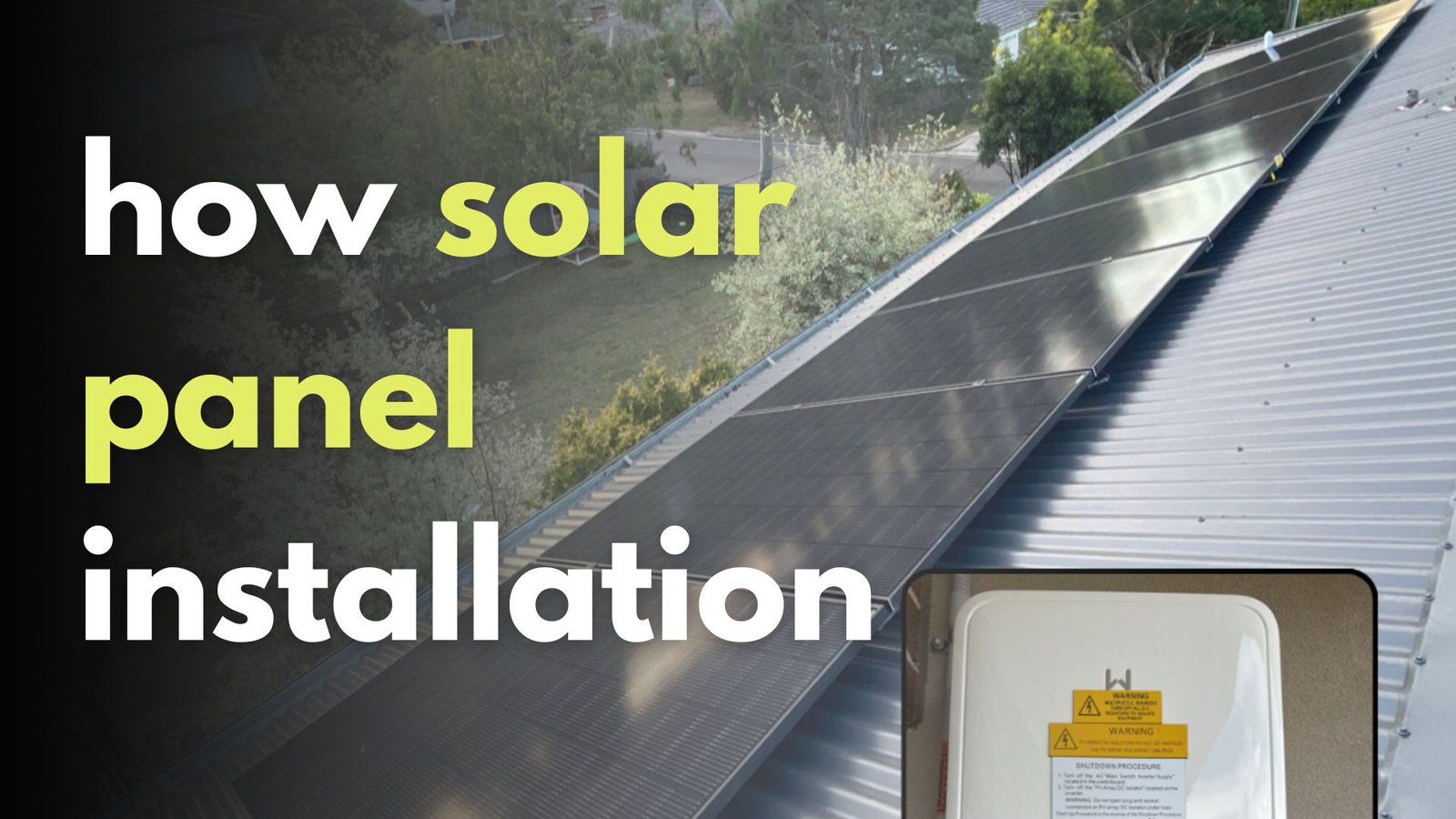
How Solar Panel Installation Is Done Step-by-Step
Making the decision to switch to solar energy is a smart move for Australian homeowners and businesses both, especially now. With the rising trend in electricity costs and the increasing focus on environmental issues, solar power offers a path to long-term savings, energy independence, and a more sustainable future. But, many people are naturally uncertain, mostly because they’re confused about how solar panel installation works.
This comprehensive guide takes you through each phase of the solar installation journey, from the very first consultation to the moment your system is up and running, empowering you to proceed with assurance. At Electrical Masters, we prioritise transparency and quality in all our work, and this detailed guide highlights our dedication to providing reliable solar solutions.
Get a Free Quote
Understanding Your Energy Needs
The first and most important part is how solar panel installation is, understanding your present and future energy consumption. Each homeowner and commercial business has unique electricity requirements, and a standard solar setup typically provides the best performance.
A professional installer like Electrical Masters begins by reviewing:
- Your electricity bills
- Daily and seasonal energy consumption
- Peak usage times
- Future needs (EV chargers, batteries, home expansions)
This ensures your solar system is designed to generate enough power without overspending on unnecessary capacity.
Site Inspection and Roof Assessment
A physical site inspection is a necessary step in how solar panel installation process. This is when experienced professionals come to your home to figure out if your roof is a good fit for solar panels.
Key factors evaluated include:
- Roof orientation and tilt
- Shading from trees or nearby buildings
- Roof material and structural integrity
- Available installation space
Electrical Masters uses expert assessments and modern tools to ensure your roof can safely support the system and deliver maximum performance for decades.
Custom Solar System Design
After the site inspection finishes out, the next step in how solar panel installation process is system design. This is the phase where experience definitely matters.
Based on your energy needs and roof layout, a tailored solar system is designed, including:
- Number of solar panels
- Panel positioning for optimal sunlight
- Inverter selection
- Optional battery integration
At Electrical Masters, all systems are designed for Australian conditions, ensuring efficiency even during cloudy days and long summers.
Approval, Permits, and Grid Applications
A very important, but usually ignored, step of how solar panel installation works involves dealing with the necessary paperwork and getting the required permissions. Before a solar system can be connected to the grid, it must comply with local regulations, the guidelines set by the electricity network provider, and the demanding safety standards required in Australia. This step is important for ensuring that your system is legally sound, safe to utilise, and installed for optimal long-term performance.
The approval process generally involves submitting grid connection applications, getting the necessary approvals from the council or energy distributor, and finalising all the required documentation.
Rebate and incentives applications, when applicable, are also handled to reduce the initial financial burden of your solar project. It’s important to get this paperwork right; mistakes or issues can push back installation or system activation.
making sure everything is done correctly and quickly. This means a hassle-free installation, free from added stress or delays.
Preparing for Installation Day
Preparation is an essential stage in how solar panel installation is carried out efficiently. Before installation day, the team confirms:
- Equipment delivery
- Safety requirements
- Installation schedule
- Access to the property
Customers are informed in advance so they know exactly what to expect. Most residential installations are completed within one day, depending on system size and complexity.
Solar Panel Mounting and Roof Work
The physical installation begins on with the secure installation of the solar panel framework. This framework is basically the structural base of the how solar panel installation works. It’s a very important step, too, because the system’s long-term performance and safety depends on the quality of the mounting. Professional installers take great care when securing high-quality mounting rails to the roof, making sure not to damage roof tiles, metal sheets, or anything under them.
They make special attention to waterproof sealing at every point where the mounting is fixed, avoiding leaks and protecting your roof from the elements.
Proper panel spacing is also important because it allows for sufficient airflow, improving performance and avoiding overheating.
Electrical Masters only makes use of industry-approved mounting structures, each engineered to meet the extremes of Australian weather. This guarantees outstanding durability, structural reliability and, importantly, peace of mind for homeowners choosing a solar solution built to last.
Installing Solar Panels and Inverter
Once the mounting structure is in place, solar panels are installed and wired together. This stage is a key highlight in how solar panel installation transforms your property into a clean energy generator.
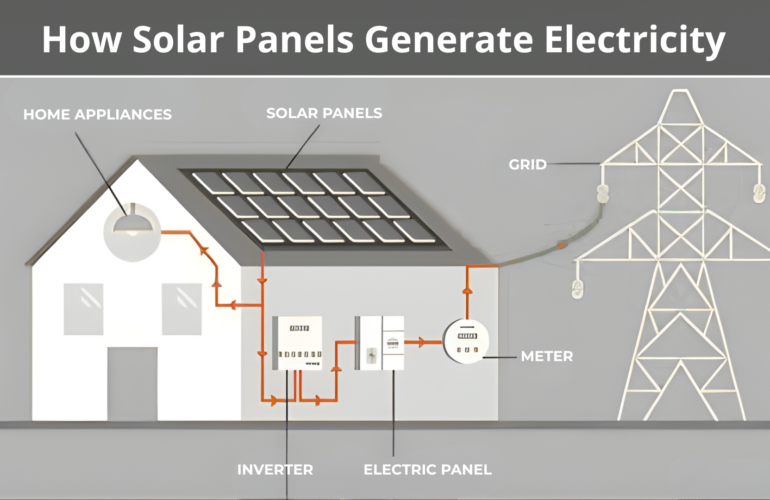
At the same time, the inverter is installed. The inverter converts solar energy into usable electricity for your home or business. Proper inverter placement ensures:
- Easy monitoring
- Adequate ventilation
- Long equipment lifespan
Only SAA – accredited electricians at Electrical Masters perform this work, ensuring compliance and performance.
Electrical Connections and Safety Checks
Electrical wiring is a critical phase in how solar panel installation ensures safe and reliable operation. Installers connect the system to:
- Your main switchboard
- Safety isolators
- Metering equipment
Comprehensive safety checks are conducted to confirm:
- Correct voltage levels
- Secure connections
- System shutdown functionality
Electrical Masters prioritises safety at every step, protecting both your property and your investment.
System Testing and Commissioning
Before activation, the system undergoes thorough testing. This final technical step of how solar panel installation confirms everything is working as designed.
Testing includes:
- Power generation checks
- Inverter communication testing
- Monitoring setup
- Compliance verification
Once approved, the system is officially commissioned and ready to generate clean energy.
Grid Connection and Solar Activation
The last step to installing your solar panels up and functioning includes connecting them in to the power grid. After your local energy provider gives the green light, your solar system is functioning and it’s generating electricity for your home or business. Any additional power your system creates during the day gets sent back to the grid, which can help lower your energy bills.
Electrical Masters offers complete system handover support at this point, so you can be sure you’re comfortable with your new solar setup.
You’ll have real-time access to system monitoring, allowing you to maintain updates on daily energy output and savings. Our team will also walk you through how your system operates in various conditions, providing straightforward maintenance advice to keep things running smoothly.
From the moment your system is up and running, Electrical Masters is dedicated to helping you understand how to get the most out of it, track your savings, and enjoy the lasting rewards of clean, reliable solar energy.
Why Choose Electrical Masters for Solar Installation?
Choosing the right installer is just as important as understanding how solar panel installation works. Electrical Masters stands out because of:
- SAA-accredited installers
- Premium-quality solar components
- Honest, transparent advice
- Tailored system designs
- Strong after-sales support
Our experience across residential and commercial projects ensures every installation delivers long-term value—not just short-term savings.
Long-Term Benefits of Professional Solar Installation
Understanding how solar panel installation is done professionally highlights the long-term advantages:
- Lower electricity bills
- Increased property value
- Reduced carbon footprint
- Energy independence
- Protection against rising power costs
With Electrical Masters, you gain a trusted solar partner focused on performance, safety, and reliability.
Final Thoughts
Understanding how solar panel installation works, summarised down into simple steps, gives homeowners and businesses the knowledge they need to make smart choices and avoid expensive mistaken assumptions. Every phase of the journey, from understanding your energy requirements and developing a personalised system to the actual installation and final switch-on, is important for achieving lasting efficiency, safety, and dependable performance. Get it all right, and a solar system can provide steady energy savings and reliable power for many years to come.
With Electrical Masters, you’re getting more than just solar panels; you’re connecting up with professional experts who value quality, transparency, and lasting value. Our certified installers work with top-tier suppliers, follow to demanding Australian safety regulations, and modify each system to fit your property and energy needs. The outcome? A solar solution designed to boost your savings, increase your energy independence, and contribute to a cleaner, more sustainable energy future for your home or business.
Frequently Asked Questions (FAQs)
Most residential installations are completed in one day. Larger systems may take longer depending on complexity.
Most roofs are suitable. Electrical Masters conducts a detailed inspection to confirm compatibility.
Yes. Modern solar panels generate electricity even in low-light conditions, though output may be reduced.
Not always, but access to the switchboard and property is required.
Savings often begin immediately after activation, with noticeable reductions in electricity bills within the first billing cycle.
Yes. We offer system monitoring guidance, maintenance advice, and ongoing customer support.
Talk to Our Expert