What Are Monocrystalline Solar Panels? Benefits, Costs & Lifespan Explained
You might have heard the term monocrystalline solar panels if you want to switch to solar. They are one of the most common and effective solar technologies used in Australia today. They are known for their great performance, extended lifespan, and ability to generate a lot of energy even in bad weather. But what sets them apart from regular solar panels? Are they worth the money for your home? And how long do they stay?
This extensive guide goes over everything you need to know about monocrystalline solar panels, such as its pros and cons, pricing, lifespan, and why so many Australian homeowners select them, especially when they are installed by trustworthy professionals like Electrical Masters.
Get a Free Quote
What Are Monocrystalline Solar Panels?
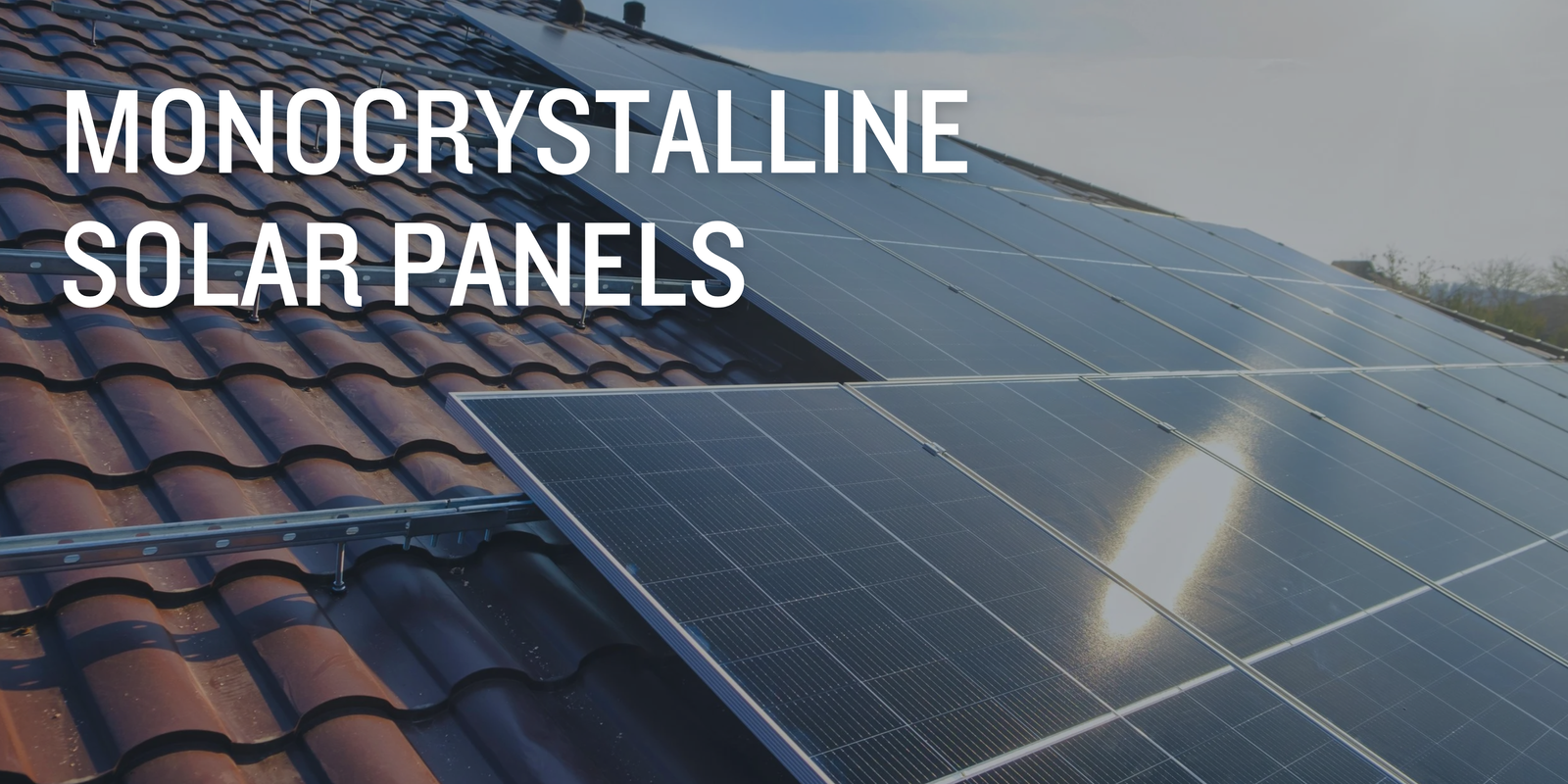
A single, pure silicon crystal makes up a monocrystalline solar panel. This is why the panels all look the same black and have the highest efficiency rates in the solar business. These panels can turn more sunlight into power than polycrystalline or thin-film solar panels because they use high-quality silicon.
They are usually seen as a high-end solar device and are perfect for homeowners with limited roof space that need the most electricity possible. Monocrystalline solar panels are frequently the greatest choice if you want something that will last a long time and work well all the time. This is especially true if specialists like Electrical Masters install them.
How Monocrystalline Solar Panels Are Made
Monocrystalline solar panels are made using a more complex method than other types of panels. The Czochralski process grows a single cylindrical silicon crystal, which is then cut into thin wafers that make up the solar cells. Because these cells are made from a single crystal structure, electrons may move more freely, which makes them more efficient.
This precise manufacturing method is also why monocrystalline panels are slightly more expensive—but the investment pays back in the form of:
- Higher performance
- Longer lifespan
- Better heat resistance
- Stronger energy production in low-light conditions
Why Choose Monocrystalline Solar Panels? Key Benefits
1. Best Efficiency Among All Solar Panel Types
The fact that monocrystalline solar panels are more efficient than other types is one of its greatest advantages. They usually work at 20% efficiency or higher, which means that each panel gives you more electricity. This is great for people who own homes with smaller roofs or who want to save the most money on their power costs.
Electrical Masters says that monocrystalline panels are the greatest investment for Australian houses.
2. Excellent Performance in All Weather Conditions
Weather in Australia may be unpredictable. Strong heat, gloomy days, coastal air, storms, and even wildfire smoke can all affect how well panels work. The good news is? Monocrystalline solar panels work very effectively when there isn’t much light. Even whether it’s gloomy, early in the morning, or late in the afternoon, they still make energy.
3. Longest Lifespan in the Market
Monocrystalline solar panels are the best choice if you want something that will last a long time.
Average lifespan: 25 to 30 years of peak performance
Still working at 80% efficiency after several years
Most panels come with substantial warranties from the manufacturer, but they typically last longer than those warranties say they will. They can survive for more than 30 years if they are installed and cared for properly.
4. Higher Power Output Means Bigger Savings
Because monocrystalline solar panels generate more electricity from the same amount of sunlight, homeowners enjoy:
- Bigger energy savings
- Faster return on investment
- Lower electricity bills
- Increased energy independence
When paired with an inverter and solar battery system from Electrical Masters, you can significantly reduce your reliance on the grid—especially during peak hours when electricity rates are highest.
5. Better Aesthetic Appeal
You might not think about how they look first, but many homeowners like the sleek black style of monocrystalline solar panels. They appear better than polycrystalline panels with a blue tint and go well with most current roof types.
How Much Do Monocrystalline Solar Panels Cost?
Costs can vary depending on:
- Brand
- Panel wattage
- Total system size
- Roof type
- Installation complexity
However, on average in Australia:
Estimated Cost Range (Fully Installed):
- 6.6kW system: $5,500 to $8,500
- 10kW system: $9,000 to $13,000
- 13kW system: $12,000 to $18,000
Yes, they cost more upfront—but homeowners consistently recover their investment faster due to higher efficiency and longer life.
When you choose Electrical Masters, you also get:
Premium panels
High-quality inverters
SAA accredited installers
Long warranties
Transparent pricing
Lifespan of Monocrystalline Solar Panels: What to Expect
People often ask how long monocrystalline solar panels serve. As was said before, 25 to 30 years is standard, although many last much longer than that.
The key factors that influence lifespan include:
Build Quality
High-grade silicon and advanced manufacturing ensure long-term durability.
Climate and Weather Exposure
Monocrystalline panels resist heat and harsh weather better than others.
Installation Quality
A poorly installed system will fail faster. Choosing experts like Electrical Masters ensures structural stability and optimal performance.
Maintenance
Simple cleaning and occasional system checks keep your panels performing at their peak.
Are Monocrystalline Solar Panels Worth It?
If you want the best solar performance, long-term savings, and a future-proof investment, the answer is yes.
Here’s why Australian homeowners love monocrystalline solar panels:
- Highest efficiency
- Longest lifespan
- Strong energy output in all conditions
- Sleek, modern appearance
- Maximum savings over time
While they cost more upfront, the long-term financial benefits easily outweigh the initial price difference.
Why Choose Electrical Masters for Monocrystalline Solar Panels?
Choosing the right solar installer is just as important as choosing the right solar panels.
When you work with Electrical Masters, you get:
Premium monocrystalline solar panels
We supply only trusted brands with strong warranties and proven performance.
Accredited solar experts
Our team is CEC-certified, experienced, and highly trained.
Tailored solar system recommendations
We design systems based on your energy use, roof type, and budget.
Transparent pricing
No hidden charges—clear, honest, and competitive quotes.
Fast and professional installation
Most installations are completed within a day.
Long-term support
We provide continuing support for system checkups, maintenance, and warranties.
Electrical Masters gives you the best for your solar investment.
Frequently Asked Questions (FAQs)
1. Are monocrystalline solar panels better than polycrystalline?Yes. They offer higher efficiency, longer lifespan, and better performance in low-light conditions. They are the premium choice for most homes.
2. Do monocrystalline solar panels work in cloudy weather?Absolutely. They perform better than many other panel types in cloudy or low-light conditions.
3. How long do monocrystalline solar panels last?They typically last 25–30 years, and often beyond with proper maintenance.
4. Are monocrystalline solar panels worth the extra cost?Yes—because of their high efficiency and long-term reliability, they deliver greater savings over time.
5. Do they require a lot of maintenance?Not at all. Occasional cleaning and yearly system checks are enough to keep them performing well.
Talk to Our Expert
Leave a Reply