
How Solar Energy Is Converted Into Electricity: A Simple & Complete Guide by Electrical Masters
You’re not the only one who has ever wondered “how solar energy is converted into electricity?” Thousands of Australians are looking into solar power to lower their energy bills, become less dependent on electricity, and cut down on carbon emissions. But it doesn’t have to be hard to understand the science behind solar. This guide from Electrical Masters explains down the whole process, so you can truly feel good about switching to solar.
Get a Free Quote
What Does It Mean When We Say Solar Energy Converts to Electricity?
Before going into how solar energy is converted into electricity, it’s important to define what solar energy is. Solar energy is just the sunlight and heat generated by the Sun. Solar panels convert this energy into electrical energy via a scientific process known as the photovoltaic effect.
This effect was discovered almost 180 years ago, yet it now powers millions of homes throughout Australia, particularly in high-sun areas such as Victoria.
Step 1: Sunlight Hits the Solar Panels
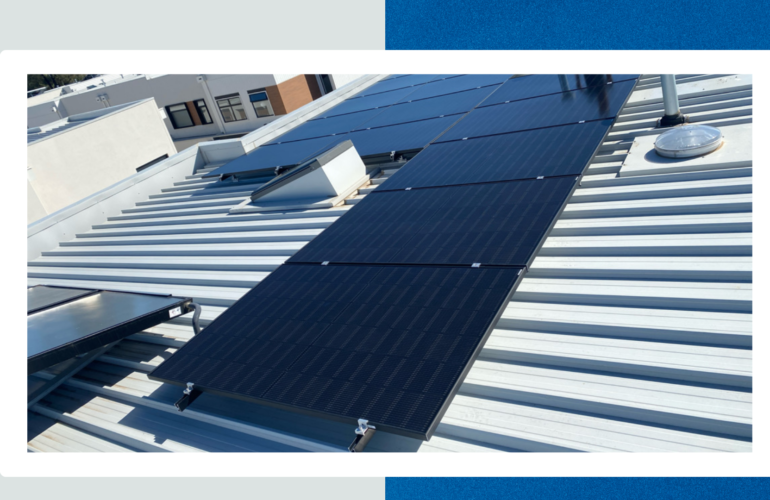
The process of converting starts as soon as sunlight hits your solar panels. There are several solar cells composed of silicon in each panel. Silicon is a substance that conducts electricity when it is exposed to light.
These cells consume sunlight and let out electrons. This is where the real work of how solar energy is converted into electricity starts.
We at Electrical Masters put in high-efficiency panels that are made to catch as much sunlight as possible, even when it’s cloudy. This makes sure that your system stays productive all year long.
Step 2: Solar Cells Trigger the Photovoltaic Effect
Now let’s look at the science behind how solar energy is converted into electricity.
Inside every solar cell are two layers of silicon:
- One positively charged
- One negatively charged
When sunlight contacts the cell, photons (light particles) push electrons free from the silicon layers. These electrons begin to flow, generating direct current (DC) electricity.
This is the heart of the photovoltaic effect, the cornerstone of solar electricity.
Even though the process occurs in microseconds, it is extremely powerful. A conventional household solar system can provide enough energy to operate your lights, appliances, hot water system, and other devices.
Step 3: The Inverter Converts DC Power Into AC Power
You can’t use DC electricity directly in your home. Because of this, the solar inverter is the next step in how solar energy is converted into electricity.
The inverter changes the raw DC power from your panels into AC power, which is what your household appliances need.
We only utilise high-quality inverters from manufacturers that are known for being safe, durable, and performing well over time at Electrical Masters. A good inverter doesn’t merely change power; it also:
- Optimises system output
- Monitors performance
- Protects your system from faults
This makes it one of the most crucial components of your solar setup.
Step 4: AC Electricity Powers Your Home
Once the inverter completes the conversion, the AC electricity is ready to flow through your electrical switchboard.
From here, your solar energy is distributed to run:
- Lights
- Refrigerators
- TVs
- Heating and cooling systems
- Pool pumps
- Hot water systems
- And more
This implies that each second that your panels make electrical power, you need to buy less electricity from the grid, which lowers your energy cost right away.
This is the stage of how solar energy is converted into electricity the process that homeowners get the most money from, especially during the hottest hours of the day.
Step 5: Excess Energy Goes Back to the Grid or Into a Battery
On bright days, your solar system may produce more energy than your home consumes. What happens to that extra energy?
You have two options:
1. Send It to the Grid (and Get Paid Through Feed-in Tariffs)
Your retailer pays you for exporting surplus power. While feed-in rates vary, they still provide a helpful credit on your bill.
2. Store It in a Solar Battery
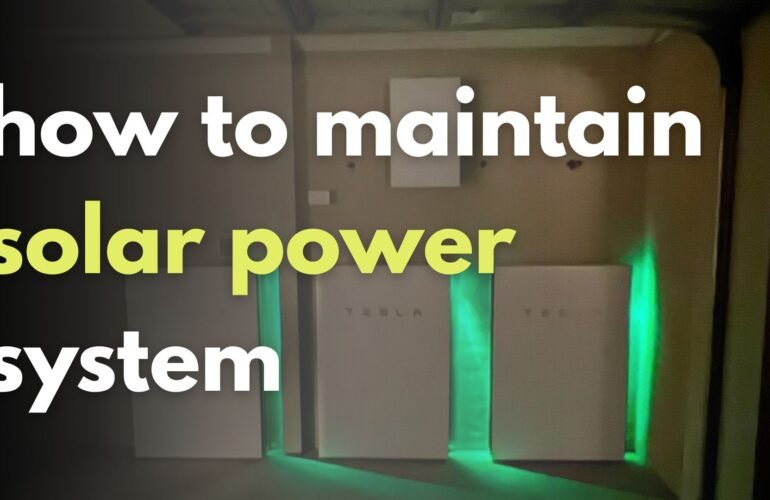
Batteries allow you to use solar energy at night or during blackouts.
For many people, adding a battery is the most exciting part of how solar energy is converted into electricity, because it unlocks:
- Greater independence
- Higher savings
- Emergency backup power
- Better control over energy usage
Electrical Masters offers high-quality battery solutions from industry-leading brands, customised for the needs of Victorian homes.
Why Understanding How Solar Energy Becomes Electricity Matters
Knowing how solar energy is converted into electricity helps you:
Choose the right system
Understanding each component — panels, inverter, battery — helps you make smarter purchasing decisions.
Maximise your savings
Once you know when your system produces the most power, you can run high-usage appliances during peak solar hours.
Maintain your system properly
Basic knowledge helps you identify issues early, ensuring long-term performance.
Feel confident in your solar investment
The more you understand your system, the more value you will get from it.
With Electrical Masters, you are never left wondering. Our team explains your entire system in simple words and provides continuing assistance after installation.
How Efficient Is the Solar Energy Conversion Process?
Efficiency varies based on panel type, location, and weather — but most modern panels convert 18% to 23% of sunlight into electricity.
While this may seem low, remember:
- Solar power is free
- Australia has some of the highest solar radiation levels in the world
- Even moderate-efficiency panels produce substantial energy year-round
At Electrical Masters, we install only high-performance systems designed for long-term savings and durability under Australian conditions.
The Role of Technology in Solar Energy Conversion
Modern advancements continue to improve how solar energy is converted into electricity. These include:
- Half-cut cell technology
- Multi-busbar designs
- N-type TOPCon and HJT panels
- Smart monitoring systems
- Advanced inverters with real-time optimisation
These innovations boost:
- Energy output
- Efficiency
- Lifespan
- Safety
Electrical Masters stays up-to-date with the latest technologies to ensure every installation delivers maximum value.
Final Thoughts
Understanding how solar energy is converted into electricity will help you get the most out of your system and give you faith in your solar investment. It might appear complicated, but when you break it down, it’s just nature and engineering working together perfectly.
Electrical Masters has an expert installation professionals that will give you clean, reliable energy and long-term savings, all backed by the best products and service in the business.
Electrical Masters is here to help you move to solar with clear guidance, high-quality systems, and top-notch customer care.
Talk to Our Expert