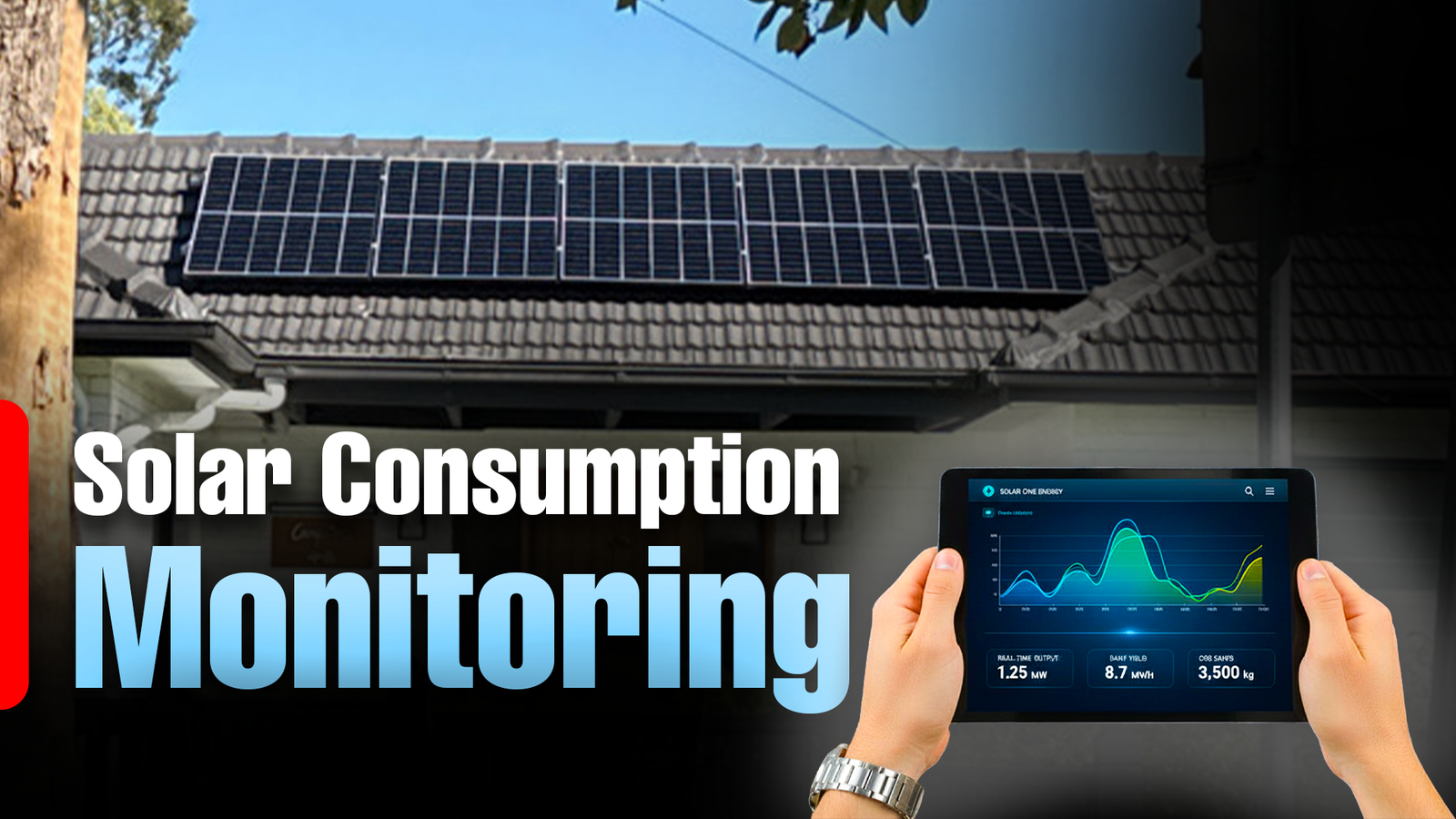
Smart Solar Consumption Monitoring: The Key to Maximising Energy Savings

As more Australian homes and companies use solar energy, it’s becoming more and more crucial to know exactly how much solar electricity you make and use. That’s where solar consumption monitoring steps in. This new technology lets you keep an eye on how well your solar system performs, learn about your family’s energy use, and save more money by using more of the power you make yourself.

This article will explain what solar consumption monitoring is, how it works, its key advantages, and why it should be a part of every modern solar system, whether you are a homeowner or a business owner who wants to take charge of your energy future.

Get a Free Quote

Please enable JavaScript in your browser to complete this form.

What Is Solar Consumption Monitoring?

Solar consumption monitoring is a clever tracking device that gives you immediate information on how much energy your solar panels make and how much energy your home utilizes. It helps you figure out where your electricity goes and whether it’s to appliances, heating systems, lights, or battery storage. This information lets you use your electricity more efficiently.

With solar consumption monitoring, you can see:

  • How much power your panels produce daily, monthly, or yearly.
  • How much of that power you’re consuming directly.
  • How much energy is being exported back to the grid.
  • When your household or business consumes the most power.

This data empowers you to adjust energy habits and optimise system performance for maximum return on investment.

How Does Solar Consumption Monitoring Work?

A solar consumption monitoring system usually has sensors or smart meters that keep track of how much solar energy is being used and how much electricity is being used. You can access the data on your phone or computer using a digital platform or app.

Here’s how it works step-by-step:

  1. Smart Meter Installation: The smart meter records how much electricity your solar panels generate and how much your property consumes.
  2. Data Transmission: This information is sent to a cloud-based platform in real time.
  3. User Dashboard: The monitoring app displays the data through easy-to-read graphs and charts, showing generation, consumption, and export levels.
  4. Analysis and Alerts: Advanced systems can send alerts for unusual usage patterns or faults, allowing you to address issues before they become costly.

Essentially, solar consumption monitoring puts your energy usage under a microscope — enabling smarter, data-driven decisions.

Why Is Solar Consumption Monitoring Important?

If you don’t keep an eye on how much solar energy you use, you’re basically running your solar system blind. Your inverter may show you how much electricity your system makes, but it doesn’t show you how much energy your home actually uses or wastes.

This is why this technology is so important:

1. Maximise Self-Consumption

When you know how much renewable energy you’re making and using, you can plan actions that use a lot of energy, like running dishwashers, washing machines, or charging EVs, for times when solar energy is at its highest. This makes people utilize more of their own electricity and less of the electricity from the grid.

2. Detect System Issues Early

Solar usage monitoring can let you know right away if your energy output goes down for no reason. This lets you fix problems before they influence performance or cost a lot of money to fix. These problems could be panel shading, inverter faults, or wiring problems.

3. Track Financial Performance

You can figure out just how much money you’re saving and how quickly your system pays for itself by keeping an eye on how much energy you make and use. This level of transparency is especially helpful for businesses when they are figuring out their return on investment.

4. Optimise Battery Usage

If you have a solar battery system, keeping an eye on how much solar energy you use will help your battery charge and discharge more effectively. It can also tell you when it’s ideal to use your batteries instead of the grid, which can save you even more money.

5. Empower Smart Energy Decisions

Monitoring lets you see which devices use a lot of energy and how you use them poorly. You may make smart choices with this information, such as switching to energy-efficient equipment or changing when you use them the most.

The Benefits of Solar Consumption Monitoring for Homeowners

Solar consumption monitoring gives homeowners full control and awareness over how much energy they use. Think about being able to monitor how well your solar system is working and how much energy you’re utilizing in real time when you open an app.

Key benefits include:

  • Increased energy independence: Rely less on the grid and use more of your solar energy.
  • Reduced energy bills: Identify opportunities to shift consumption to solar-powered hours.
  • Peace of mind: Monitor your system’s health and detect problems before they escalate.
  • Sustainability awareness: Understand and reduce your carbon footprint with real data.

In short, solar consumption monitoring turns passive solar ownership into proactive energy management.

The Benefits of Solar Consumption Monitoring for Businesses

Monitoring solar energy use is much more important for businesses that use solar panels. Businesses frequently have complex energy needs, and not using energy efficiently can cost a lot of money.

Advantages for businesses include:

  • Enhanced operational efficiency: Identify high-consumption processes and optimise production times.
  • Predictable energy budgeting: Use historical data to forecast energy costs accurately.
  • Improved sustainability reporting: Easily track and report on renewable energy performance.
  • Reduced downtime: Get alerts for system malfunctions or power fluctuations in real time.

Whether you operate a small business or a large industrial facility, solar consumption monitoring ensures you extract maximum value from your solar investment.

Smart Monitoring Integration with Solar Batteries and EV Chargers

Modern energy systems often include solar panels, batteries, and electric vehicle chargers — all interconnected. Solar consumption monitoring seamlessly integrates with these systems, offering a complete view of how power flows throughout your property.

  • Solar + Battery: Monitor how much solar energy is stored versus exported.
  • Solar + EV Charger: Schedule vehicle charging during high solar production to cut charging costs.
  • All-in-One Systems: Enjoy full visibility of production, consumption, and savings across all devices.

This integration helps create a smarter, more efficient, and cost-effective energy ecosystem tailored to your lifestyle or business operations.

How to Get Started with Solar Consumption Monitoring

Adding solar consumption monitoring to your system is straightforward, especially if you’re working with a professional solar installer like Electrical Masters.

Here’s how you can start:

  1. Consult an Expert: Contact your solar provider to assess compatibility with your existing or new system.
  2. Choose the Right System: Depending on your inverter brand and setup, you can select a compatible monitoring solution.
  3. Install Smart Meters: Technicians will install the monitoring hardware to record generation and usage.
  4. Connect to the App: Gain instant access to your real-time solar data on your phone or desktop.

At Electrical Masters, our experts can design a custom solar consumption monitoring setup that perfectly suits your system and budget — giving you complete control over your solar energy performance.

Why Choose Electrical Masters?

Electrical Masters is one of Victoria’s most trusted solar installation companies, known for its in-house team, 5-star reviews, and superior craftsmanship. We offer comprehensive solar solutions, including high-performance panels, batteries, and advanced solar consumption monitoring systems.

By choosing us, you’ll benefit from:

  • Real-time insights into your solar energy usage.
  • Increased savings through better energy management.
  • End-to-end installation and customer support.

When it comes to maximising your solar investment, Electrical Masters ensures you have the tools and data to achieve optimal performance every day.

Final Thoughts

Solar consumption monitoring gives you the capacity to stay in control in a world where energy bills are going up. It’s not enough to just look at numbers. You need to know how your energy supply works, cut down on waste, and get your solar system to work harder for you.

If you live in Victoria and own a home or a company, getting solar consumption monitoring from Electrical Masters is a smart way to make the future more efficient, sustainable, and affordable.
Talk to our Expert

Please enable JavaScript in your browser to complete this form.

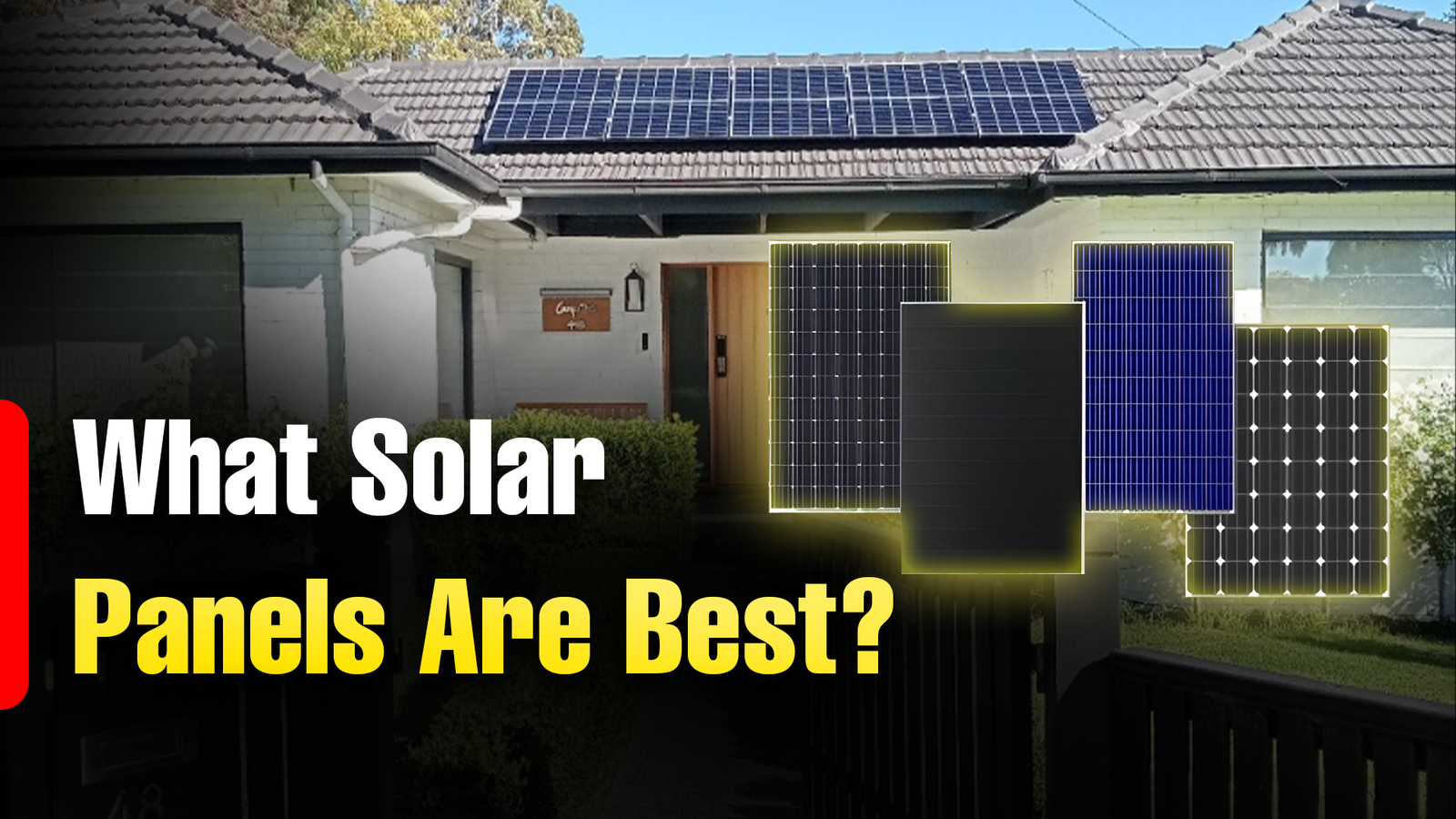
What Solar Panels Are Best? The Ultimate Guide for Australian Homeowners

One of the most important things you’ll need to know if you’re going to switch to solar is what solar panels are best for your home. It’s right to be confused because there are so many brands, technology, and pricing ranges in Australia. The correct solar panels can help you save more money, make clean energy for many years, and lower your energy bills right away.

We explain everything in this full guide,  You’ll find out about the different types of solar panels, the best brands, the price ranges, the efficiency ratings, the warranties, and how to pick the best system for your home.

We at Electrical Masters are professionals at installing high-quality solar panels from well-known companies that are trusted all over Australia. Our professionals make sure that every system is built to give customers the best performance, long-term value, and ease of use.

Let’s get started and see what solar panels are best for you.

Get a Free Quote

Please enable JavaScript in your browser to complete this form.

Why It’s Crucial to Know Which Solar Panels Are Truly the Best

Many homeowners think all solar panels are the same—but the truth is, the quality varies a lot. Choosing the right panel impacts:

  • How much energy your system produces
  • How much money you save over 25 years
  • How well your panels perform in heat
  • How long they last
  • How reliable they are in tough Australian weather
  • How quickly your system pays for itself

This is why understanding what solar panels are best is essential before making an investment.

Types of Solar Panels: Which One Is Best?

Before choosing a brand, you must understand the technology behind solar panels.

1. Monocrystalline Panels (Best Performance)

These are the most efficient and popular solar panels for Australian homes.

Benefits:

  • Highest efficiency rates (19–22%)
  • Longer lifespan
  • Better performance in hot weather
  • Sleek black look

Most high-end brands make advantage of this technology. When it comes to determining what solar panels are best monocrystalline is frequently the most suitable choice.

2. Polycrystalline Panels (Budget-Friendly)

These are more affordable but less efficient.

Benefits:

  • Lower upfront cost
  • Good for low-budget installations

However, they produce less energy and need more roof space.

3. Thin-Film Panels (Rare for Homes)

They are lightweight but not suitable for most residential setups.

Best used for:

  • Commercial roofs
  • Portable solar systems

Most homeowners don’t choose thin-film when deciding what solar panels are best for long-term home use.

Top Solar Panel Brands in Australia: What Solar Panels Are Best?

To help you decide what solar panels are best, below are the most reliable and high-performing brands used by Australian installers, including Electrical Masters.

1. REC Solar Panels (Premium Performance)

REC is known for world-class efficiency and long-lasting performance.

Why They Are the Best:

  • High efficiency (up to 22%)
  • Strong performance in heat
  • Excellent durability
  • 25-year product and performance warranty

REC panels are ideal for homeowners who want maximum long-term value.

2. Jinko Solar (Most Popular Choice)

Jinko is one of the largest and most trusted brands globally.

Why They Are Great:

  • Reliable performance
  • Affordable price
  • Shingled and N-type technologies
  • Strong warranties

If you’re asking what solar panels are best for balanced cost and performance—Jinko is one of them.

3. Trina Solar (Best Value for Money)

Trina offers great efficiency at a competitive price.

Why Homeowners Choose Trina:

  • Good efficiency (19–21%)
  • Excellent quality control
  • Affordable compared to premium brands
  • Solid 25-year warranty

Trina is a strong all-rounder used widely by Electrical Masters customers.

4. SunPower (Top Premium Worldwide)

Considered one of the best panels ever made.

Why They Stand Out:

  • Efficiency up to 22.8%
  • Leading 40-year warranty
  • Best performance in heat
  • Best for small roofs needing high output

If you value absolute quality and are willing to pay a premium, SunPower is frequently ranked as the top solar panels in the world.

5. Canadian Solar (Reliable & Affordable)

A great balance of cost, reliability, and performance.

Why They Are Popular:

  • Competitive pricing
  • Good efficiency
  • Strong warranties
  • Great for both commercial and residential setups

Efficiency: A Key Factor When Choosing What Solar Panels Are Best

Panel efficiency means how well your solar system converts sunlight into energy.

Which Efficiency Level Should You Aim For?

  • 18–19% = Good
  • 20–22% = Excellent
  • 22%+ = Premium

High-efficiency panels give better performance on small roofs and in low sunlight.

At Electrical Masters, we recommend choosing panels above 20% efficiency for long-term savings.

Warranties: A Big Part of What Solar Panels Are Best

A strong warranty protects your investment.

Look for:

Product Warranty (Covers defects)

  • Good: 15 years
  • Better: 20 years
  • Best: 25–40 years

Performance Warranty (Guarantees energy output)

  • Good: 80% after 25 years
  • Best: 92% after 25 years

Premium brands like REC and SunPower offer extremely strong warranty support.

At Electrical Masters, we only work with brands that offer minimum 25-year performance warranties.

Heat Performance: Important for Australia

Hot weather can reduce output if the panel isn’t well-designed.

Choose panels with a low temperature coefficient.

Good panels drop:

  • No more than –0.35% per °C

Better panels drop:

  • –0.30% per °C or lower

If you want to know what solar panels are best for Australia’s climate, choose N-type TOPCon or HJT panels—they handle heat better.

Price Guide: What Solar Panels Are Best Based on Your Budget?

Premium Solar Panels

  • Brands: SunPower, REC
  • Cost: Higher
  • Best for: Maximum output, long roof life, best warranties

Mid-Range Panels

  • Brands: Jinko, Trina
  • Cost: Moderate
  • Best for: Best balance of savings and performance

Budget Panels

  • Brands: Seraphim, JA Solar
  • Cost: Lower
  • Best for: Basic performance on a tight budget

At Electrical Masters, we offer systems for every budget while ensuring quality installations with in-house experts.

How to Know What Solar Panels Are Best for Your Home

Here are the key points homeowners should consider:

Roof Size

Small roof = choose high-efficiency panels.

Energy Needs

Bigger families need higher output systems.

Budget

Mid-range panels offer the best value.

Location

Hot areas need panels with stronger heat tolerance.

Warranty

Always choose long warranties to protect your investment.

Installer Quality

Even the best solar panels perform poorly if installed incorrectly.
This is why choosing an experienced installer like Electrical Masters ensures long-term performance and savings.

Why Choose Electrical Masters?

At Electrical Masters, we don’t just install solar panels—we design complete solutions tailored to your home and budget.

What makes us different?

  • In-house CEC-accredited installation team
  • Top-rated solar brands
  • Competitive prices in Victoria
  • 5-star customer service
  • Honest recommendations—no cheap, low-quality panels
  • Seamless installation from start to finish

We help you choose what solar panels are best for your long-term energy savings.

Frequently Asked Questions (FAQs)

  1. What solar panels are best for small roofs?

      High-efficiency premium panels like SunPower or REC are best for homes with limited roof space.

  1. What solar panels are best for hot weather?

      N-type TOPCon panels from Jinko, Trina, and REC perform best in Australia’s heat.

  1. What solar panels are best for long-term value?

      Panels with strong 25–40 year warranties offer the best long-term value.

  1. What solar panels are best if I’m on a budget?

      Mid-range brands like Jinko or Trina offer great balance between price and performance.

  1. How do I choose the best solar installer?

      Look for certified, experienced professionals with excellent reviews—like Electrical Masters, one of Victoria’s top-rated installers.

Final Thoughts

So, what solar panels are best

The best solar panels for you rely on your home, your budget, and your long-term goals. Premium brands provide you the best performance, but mid-range brands are still a great deal for Australian households.

Electrical Masters can help you choose the best solar decision by giving you experienced information, honest recommendations, and a dependable installation team.

Talk to our Expert

Please enable JavaScript in your browser to complete this form.
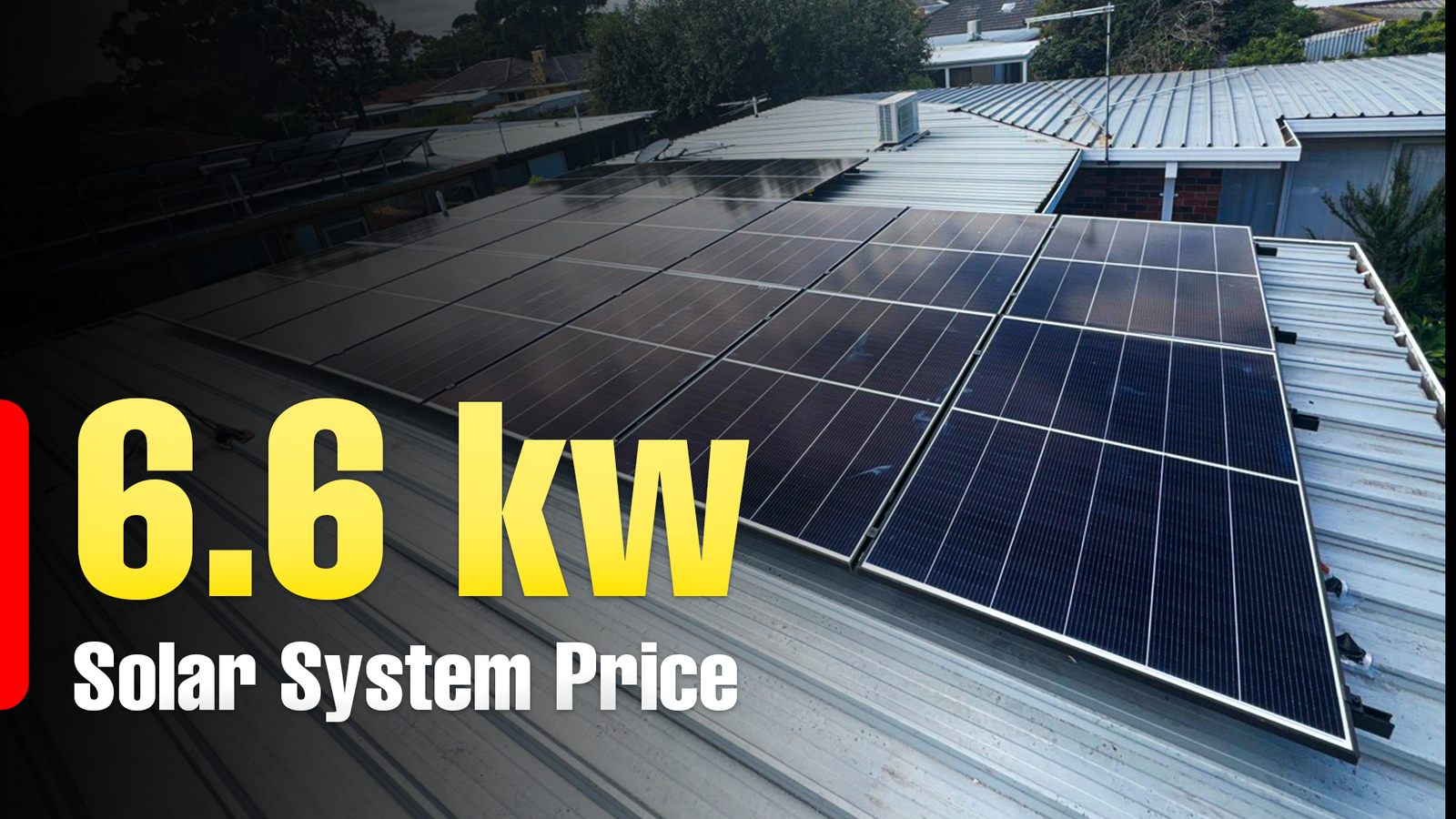
6.6 kw solar system price

6.6 kw solar system price

When looking into the 6.6 kw solar system price, Australian homeowners could anticipate to pay between $4,500 and $9,000 for a fully installed, high-quality setup in 2026. This pricing range is industry standard, blending economical tier-one components with maximum government STC rebates. The exact final figure of your 6.6 kw solar cost depends heavily on your choice of 440W panels, inverter type, and site-specific manpower needs. Understanding these elements allows you to securely obtain a dependable energy solution that provides a quick return on investment.

Get a Free Quote

Please enable JavaScript in your browser to complete this form.

The True Breakdown of the 6.6 kW Solar Cost

It’s no secret that Australians are turning to renewable energy to battle rising power costs. However, when you begin receiving bids, the huge variances in the 6.6 kw solar cost might be confusing. You may notice a social media marketing providing a full system for $2,990, currently a reputable local provider offers you $7,500. Why is there such a huge gap?

The solution resides in the components’ durability, safety, and performance. A 6.6 kw solar system is effectively a little power plant mounted on your roof and subjected to the harsh Australian sun, terrible storms, and intense heat on a regular basis. Cheaper systems make shortcuts on mounting hardware, utilise low-quality isolators, and have entry-level panels that wear out rapidly over time.

As a general benchmark for a completely installed system (after the federal STC rebate is applied):

  • Budget/Entry-Level Systems ($4,500 – $5,500): Typically include conventional, tier-two panels and low-cost string inverters. They are functional and inexpensive initially, but they often have shorter warranties and greater degradation rates, making them more expensive in the long term.
  • Mid-Range Systems ($5,500 – $7,500): This is the ideal price for the ordinary Australian house. You receive highly efficient Tier 1 solar panels and a strong, dependable string inverter, all supported by 15- to 25-year product warranties.
  • Premium Systems ($7,500 – $10,000+): These systems have high-quality panels as well as high-end microinverters or sophisticated panel optimisers, making them ideal for roofs with complicated shading challenges.

What Influences the Price of Your Solar Setup?

When a solar retailer prepares your quotation, they consider many different factors. When you invest in a domestic solar array, you will get precisely what you paid for.

Modern Panel Technology and Roofspace

The days of having two dozen big panels on your roof to produce enough electricity are now past. The current industry standard includes extremely efficient 440W solar panels. By designing your system around these high-output 440W panels, you’ll only need 15 panels (15 * 440W = 6600W).

This decrease in physical panels not only saves on manpower and mounting gear, lowering the total cost of your 6.6 kw solar system, but also requires just 28 to 30 square metres of roof space. If you ever want to extend your system or add a solar hot water system, keeping a smaller, more efficient footprint opens up valuable space on your roof.

The Inverter: The Workhorse of the System

Your inverter is the brain of your system. It transforms the raw Direct Current (DC) energy supplied by the panels into Alternating Current (AC) power, which your refrigerator, television, and air conditioner can safely consume.

Because the inverter works very hard every day under severe loads, it is the component most likely to fail if you choose a low-cost model. Spending an additional $800 to $1,200 to update to a respected inverter brand (such as Fronius, Sungrow, or GoodWe) is one of the most cost-effective methods to preserve your 6.6 kw solar system over the next decade.

Installation Complexities and Labour

The architecture of your house has a considerable influence on your ultimate bill. A conventional solar panel 6.6 kw installation on a single-story house with a basic, pitched tin roof is reasonably easy for an installation team, resulting in low-cost labour costs.

However, if you have a steep, multi-story house with delicate terracotta tiles, the crew will need specialist safety equipment, scaffolding, and additional time to guarantee the roof is not harmed. Furthermore, if your home’s main electrical switchboard is out of date or non-compliant with contemporary safety requirements, it must be replaced before the solar can be legally connected, which may increase your total price by $800 to $1,500.

The Importance of Using an SAA Installer

If there is one clear non-negotiable requirement when buying solar in Australia, it is to ensure the quality and certification of the contractors working on your roof. You must ensure that your selected specialist is a qualified SAA installer (Solar Accreditation Australia).

The Australian solar industry’s regulatory requirements have recently developed, and the SAA has completely replaced the former CEC (Clean Energy Council) installation certification programme. Using a fully qualified SAA installation is the only way to verify that your system is up to date, follows current methods, and meets with the strictest electrical safety requirements. Crucially, if your system is not installed by a SAA-accredited expert, you will be unable to receive federal government STC rebates, which would immediately increase your upfront expenditures by thousands of dollars.

Return on Investment: Your Financial Payback

The most important metric for each homeowner is not what they spend on day one, but what they get throughout the life of the system. So, how much will a 6.6 kw solar system save me?

In Australia, a 6.6kW system produces an average of 22 to 28 kWh of power per day, depending on your state and roof direction. Your real financial return is greatly dependent on your “self-consumption rate.”

Self-Consumption vs. Feed-In Tariffs

Feed-in Tariffs (FiTs)—the amount your energy retailer pays you for exporting extra electricity to the grid—have fallen dramatically throughout the nation, often ranging between 4c and 8c per kWh. Meanwhile, purchasing electricity from the grid might cost between 30 and 40 cents per kWh.

  • High Self-Consumption: By using heavy appliances like as your washing machine, dishwasher, or pool pump throughout the day, you immediately offset the pricey 40c grid fee. Households with high daytime energy usage generally save between $1,500 and $2,200 per year, enabling the system to pay for itself in three to four years.
  • Low Self-Consumption: If your house is unoccupied during the day and all electricity is transmitted to the grid, your savings will be based on the lower Feed-in Tariff, which typically results in $800 to $1,200 in yearly savings.

The Australian Government’s Energy site is a great resource for consumers looking for entirely unbiased information on managing home energy efficiency and understanding prices.

Taking the Next Step: Adding Home Storage

With grid power rates rapidly changing, the need for real energy independence has increased dramatically. Adding a solar battery enables you to store the free energy your panels create at noon and use it to power your house during the expensive nighttime peak times.

Exploring the Hybrid System Investment

Going off-grid or implementing a hybrid system significantly changes the financial situation. If you’re looking at the cost of a 6.6 kw solar system with battery, keep in mind that the storage unit itself will need a large additional expenditure.

  • Standard 6.6kW array: costs about $6,000.
  • High-quality 10kWh battery: costs between $9,000 to $12,000.
  • Total expected investment: $15,000 to $18,000 or more.

While adding a battery almost doubles the initial cost of a 6.6 kw solar system, it also gives amazing piece of mind. It safeguards your family from neighbourhood blackouts, entirely shields you from potential utility bill increases, and enables you to use 100% of the clean energy generated on your own roof.

Final Thoughts on Securing the Best Deal

Investing in a solar array is one of the most efficient methods to increase the long-term value of your Australian home while significantly lowering your living costs. The 6.6 kw solar cost falls precisely in the economic sweet spot, offering maximum government grants while still providing enough daily electricity to comfortably operate a contemporary family house.

To get the greatest results, avoid ultra-cheap, dubious internet offers. Instead, find quotations that include high-performance 440W panels, a highly rated string inverter, and a reliable, SAA-accredited local installation team. With the correct equipment and expertise on the site, you may expect decades of dependable, clean, and very affordable energy.

Talk to our Expert

Please enable JavaScript in your browser to complete this form.

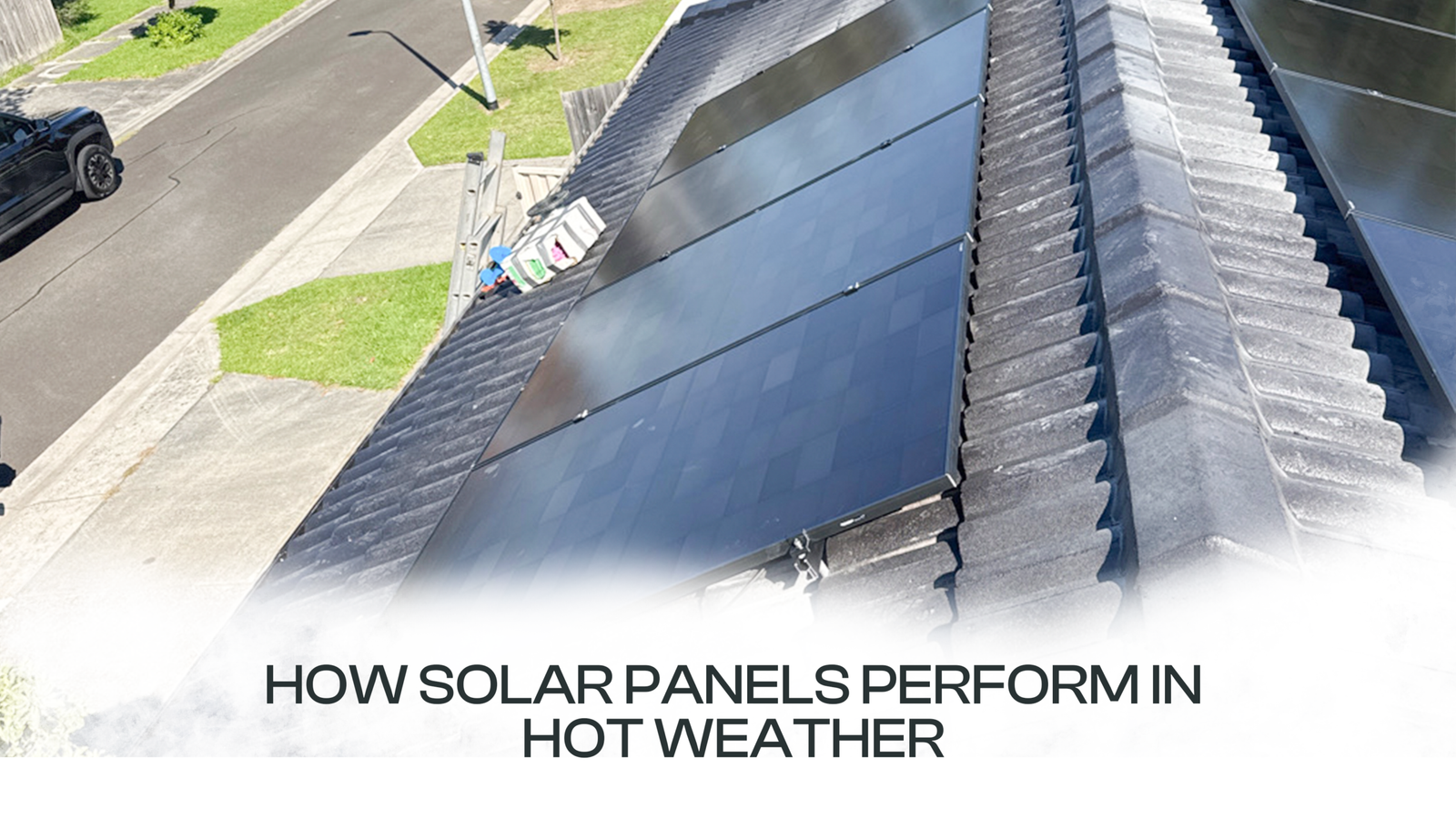
How Solar Panels Perform in Hot Weather: Complete Guide for Homeowners

If you live in a warm or hot area, you might be curious in how solar panels perform in hot weather and if high temperatures make them less efficient. The answer is simple: solar panels work best in sunlight, but very hot weather can make them work a little hard. But if you design your system correctly, use high-quality parts, and install it correctly, your panels will still make a lot of clean energy, even on the hottest days.

In this article, we explain how solar panels perform in hot weather, what affects their production, how to get the most out of them in hot Australian temperatures, and why going solar is still one of the best things homeowners can do.

Get a Free Quote

Please enable JavaScript in your browser to complete this form.

Do Solar Panels Work Better in Heat?

People usually think that solar panels work best when it’s hot outside since they need sunlight to make electricity. But there’s a little twist.

Solar panels work best when it’s cool and bright outside, not when it’s very hot. They still operate well on hot days, but their electrical parts also get warm, which makes them difficult to work with and affects their performance.

That’s why it’s important to know how solar panels perform in hot weather when picking the right system.

How Heat Affects Solar Panel Efficiency

To properly know how solar panels perform in hot weather, let’s look at what happens inside the panel.

The Temperature Coefficient

     Every solar panel has a specification called the temperature coefficient.

     This number shows you how much efficiency drops for every degree above 25°C.

      Example:

     If a panel has a coefficient of -0.35%, and the temperature rises to 40°C (15° above 25°C), the panel may produce about 5.25% less power.

     The lower the temperature coefficient, the better a panel performs in hot climates.

Panel Material Matters

Panel Type

Performance in Heat

Monocrystalline

Best for hot weather, high efficiency, stable output

Polycrystalline

Slightly lower performance under extreme heat

Thin-Film

Great heat resistance but lower overall efficiency

    If you live in Australia, especially Victoria, NSW, or QLD, monocrystalline panels are usually the best choice because they’re engineered to handle heat extremely well.

Airflow Under Panels

    When analyzing how solar panels perform in hot weather, ventilation is an important factor.

    Rooftop solar panels are mounted with a space below.

    This allows air to circulate through the panels, naturally cooling them. Better airflow equals higher efficiency.

    That is why professional installation by an experienced solar company like Electrical Masters is necessary. Poor installation traps heat, reducing overall output.

Do Hot Summer Days Mean Less Solar Energy?

Not necessarily. Even though heat slightly lowers efficiency, hot summer days still deliver the highest solar production of the year because:

  • The sun stays out longer
  • Solar irradiance is stronger
  • More daytime hours = more energy collection

This is why solar electricity works well even in hot places like India, Australia, Dubai, and regions of the US.

When homeowners know how solar panels perform in hot weather, they can see that the overall effect on performance is minor compared to the many benefits of solar energy.

Strategies to Maximise Solar Output in Hot Weather

Now that you understand how solar panels perform in hot weather, let’s look at how you can maintain excellent energy production even during peak summer months.

Choose Panels with Low Temperature Coefficient

     Premium brands like LG, REC, Jinko, and Trina offer panels with lower heat sensitivity.

     Lower temperature coefficient = better hot weather performance.

Install Panels with Proper Ventilation

A well-designed system ensures:

  •      Good air circulation under panels
  •      Proper height from the roof surface
  •      No blockages that trap heat

This significantly improves performance on hot days.

Use High-Quality Inverters and Batteries

     A high-efficiency inverter ensures minimal energy loss during hot temperatures.

     Pairing your system with a battery also helps you maximise energy stored during the day and use it during the night or cloudy periods.

Consider Tilt Angle and Roof Orientation

Your installer should evaluate your roof to ensure:  

  •      Optimal tilt for maximum sunlight exposure
  •      Panels face true north (for Australia)
  •      Minimal shading

All these factors improve solar panels perform in hot weather.

Regular Maintenance

     Dust buildup, bird droppings, and pollution reduce efficiency even more during summer.

     A simple clean every 6–12 months keeps your system running at peak capacity.

Can Solar Panels Overheat?

Panels don’t usually get so hot that they stop working. They are built to deal with high temperatures and UV radiation.

But if the panels get too hot (above 65–70°C), they may not work as well for just a few hours. This drop is typical and to be expected.

Homeowners may be sure that their solar panels are safe, reliable, and built to last in the summer heat if they know how they work in hot weather.

Why Solar Panels Are Still a Great Choice for Hot Climates

Even with minor efficiency drops, solar energy remains one of the most cost-effective and environmentally friendly solutions for hot regions.

Here’s why:

High sunlight exposure = high annual output

Even with heat-related losses, overall generation stays high.

Lower electricity bills

Summer is when people use the most energy (air-conditioning).

Solar panels offset that cost dramatically.

Long lifespan

Quality solar panels are designed to survive:

  • UV exposure
  • high temperatures
  • storms
  • coastal conditions

Better return on investment

Even under hot conditions, solar panels pay for themselves in 3–6 years in many regions.

Should Homeowners Be Worried About Hot Weather Performance?

No. Most of the time, the loss in efficiency is fairly minimal, ranging between 5 and 10% on particularly hot days.

Choosing the right panels and installing them correctly keeps performance high all year.

This explanation on how solar panels perform in hot weather explains that even though heat might alter how much power they generate the benefits of solar energy far exceed any minor differences in performance.

Frequently Asked Questions (FAQs)

  1. Do solar panels stop working in hot weather?

     No. Solar panels continue to work efficiently, but their output might drop slightly as temperature rises.

  1. What temperature is too hot for solar panels?

     Most solar panels operate safely up to 85°C, but performance begins to decline after 25°C cell temperature.

  1. How can I improve solar panel performance in summer?

     Ensure proper ventilation, regular cleaning, and choose panels with a low temperature coefficient.

  1. Is sunlight or heat more important for solar?

     Sunlight is far more important. Panels need light—not heat—to generate energy.

  1. Are certain brands better for hot climates?

     Yes. Brands like REC, Jinko, QCells, and Trina offer panels with excellent hot-weather performance.

Final Thoughts

You can make better choices about the solar panel system to choose for your home if you know how solar panels perform in hot weather. Heat can lower efficiency a little, but the effect is minor, tolerable, and generally obscured by the bright sunlight and long summer days that increase energy production.

Your solar system will keep saving you money, even when it’s really hot, if you install it correctly, use high-quality parts, and keep it up to date.

Talk to our Expert

Please enable JavaScript in your browser to complete this form.

SAA Certified Installers Are the New Standard for Quality Solar Installation in Australia.

The standards and certifications that regulate Australia’s solar sector grow with it. One of the most recent developments is the transition from Clean Energy Council (CEC) accreditation to SAA certification for solar installation. If you want to install solar panels at your house or business, selecting a SAA Certified Installer is now critical to assuring safety, compliance, and long-term system performance.

Get a Free Quote

Please enable JavaScript in your browser to complete this form.

What Is the Definition of a SAA Certified Installer?

SAA stands for requirements Australia Accreditation, a certification that assures solar installers satisfy Australia’s highest requirements for system design, installation, and compliance.

An SAA Certified Installer is a solar specialist who has completed extensive training and examination to satisfy current Australian requirements for renewable energy installations. This certification replaces the former CEC accreditation procedure and is intended to expedite regulatory compliance while enhancing the overall quality of solar installations throughout the country.

  • SAA certification ensures that the installer
  • Is thoroughly educated on the most recent safety standards and solar technology.
  • Complies with the Australian electrical and building regulations
  • Uses certified items that comply with national requirements.
  • Provides paperwork and certifications of conformity for every finished work.

Why Choose a SAA Certified Installer?

Choosing a SAA Certified Installer guarantees that your solar installation is in the hands of a competent, compliant, and trustworthy specialist. Here’s why this certification is important:

Ensures safety and compliance
SAA Certified installers follow stringent installation and safety practices. From system planning and electrical wiring to switchboard connections and inverter installation, qualified specialists adhere to laws that safeguard both people and property.


Guarantees Quality Workmanship
To keep their accreditation, installers must constantly exhibit a high level of craftsmanship. This involves the use of long-lasting materials, suitable installation procedures, and system optimisation for maximum sun production.


Meets legal and insurance requirements
Many local governments, energy networks, and insurance companies now require that solar systems be installed by certified professionals. Using an uncertified installer may result in noncompliance, void warranties, and denied insurance claims.


Access to financial incentives
To qualify for Small-scale Technology Certificates (STCs) and other incentives under the federal Renewable Energy Target (RET), your solar system must be installed by a SAA Certified Installer. Certification is an essential step towards obtaining these savings.

How to Verify a SAA Certified Installer

Before signing any deal, check that your installation is SAA certified. Here’s how.

  • Request certification proof. A genuine SAA Certified Installer will provide accreditation information upon request.
  • Check the online directories: To find certified installers in your area, visit a reputable government or industry website.
  • Look for certificates of compliance: After completing the installation, certified installers issue these documents as proof of compliance with Australian standards.

What services do SAA-certified installers offer?

SAA Certified Installers provide a wide variety of solar energy services, including:

  • Solar system design: Personalised solutions based on your energy requirements, roof orientation, and budget.
  • Solar panel installation: involves safe and efficient mounting, wiring, and system integration.
  • Inverter installation: Matching inverter technology to system output and household needs.
  • Battery storage integration: Add-on storage systems to maximise your solar savings
  • Monitoring and maintenance: Performance tracking, cleaning, and system health checks

Whether you need a small rooftop system or a large-scale commercial installation, a SAA Certified Installer has the skills and knowledge to deliver.

Residential vs Commercial Solar Projects

SAA Certified Installers are qualified to manage both residential and commercial solar installations across Australia.

Residential Solar

Homeowners across the country are turning to solar power to reduce energy bills and increase property value. An SAA Certified Installer ensures your home solar system is installed to the highest standard, using quality components and delivering long-term performance.

Commercial Solar

Businesses of all sizes are embracing solar to cut operating costs and improve sustainability. Certified installers can design and install high-capacity systems tailored to your energy use and operational needs, ensuring compliance with commercial building regulations.

Benefits of Working with a SAA Certified Installer

  • Peace of Mind

    Knowing that your installer is certified brings confidence that your system is safe, legal, and built to last.

  • High Return on Investment

    A professionally installed system performs more effectively and reliably, offering superior long-term returns on your solar investment.

  • Warranty Protection

    Most solar equipment manufacturers require installation by certified professionals to honour product warranties.

  • System Longevity

    Poor installations can lead to performance issues or early failure. SAA Certified Installers follow best practices to ensure your system runs at peak efficiency for decades.

How to Choose the Right SAA Certified Installer

Here are some guidelines for choosing the best qualified installer for your project:

  • Get numerous quotes: Compare costs, system designs, and warranties.
  • Check reviews: Look at client testimonies and internet ratings.
  • Ask about experience: Choose an installation with a great track record and applicable project expertise.
  • Evaluate equipment: Ensure they employ high-quality solar panels, inverters, and mounting hardware.
  • Review contracts carefully: Understand what is included, from monitoring to post-purchase assistance.

Final Thought: Trust a SAA Certified Installer.

As the Australian solar industry matures, SAA accreditation is becoming the new standard for quality, compliance, and consumer safety. Whether you’re a household hoping to lower your power costs or a business owner searching for energy independence, hiring a SAA Certified Installer is the sensible decision.

Don’t compromise on safety, efficiency, or dependability. Work with a professional that satisfies national standards and has the necessary training to get outcomes.

Choose certified. Choose wisely. Choose a SAA-certified installer.

Talk to our Expert

Please enable JavaScript in your browser to complete this form.

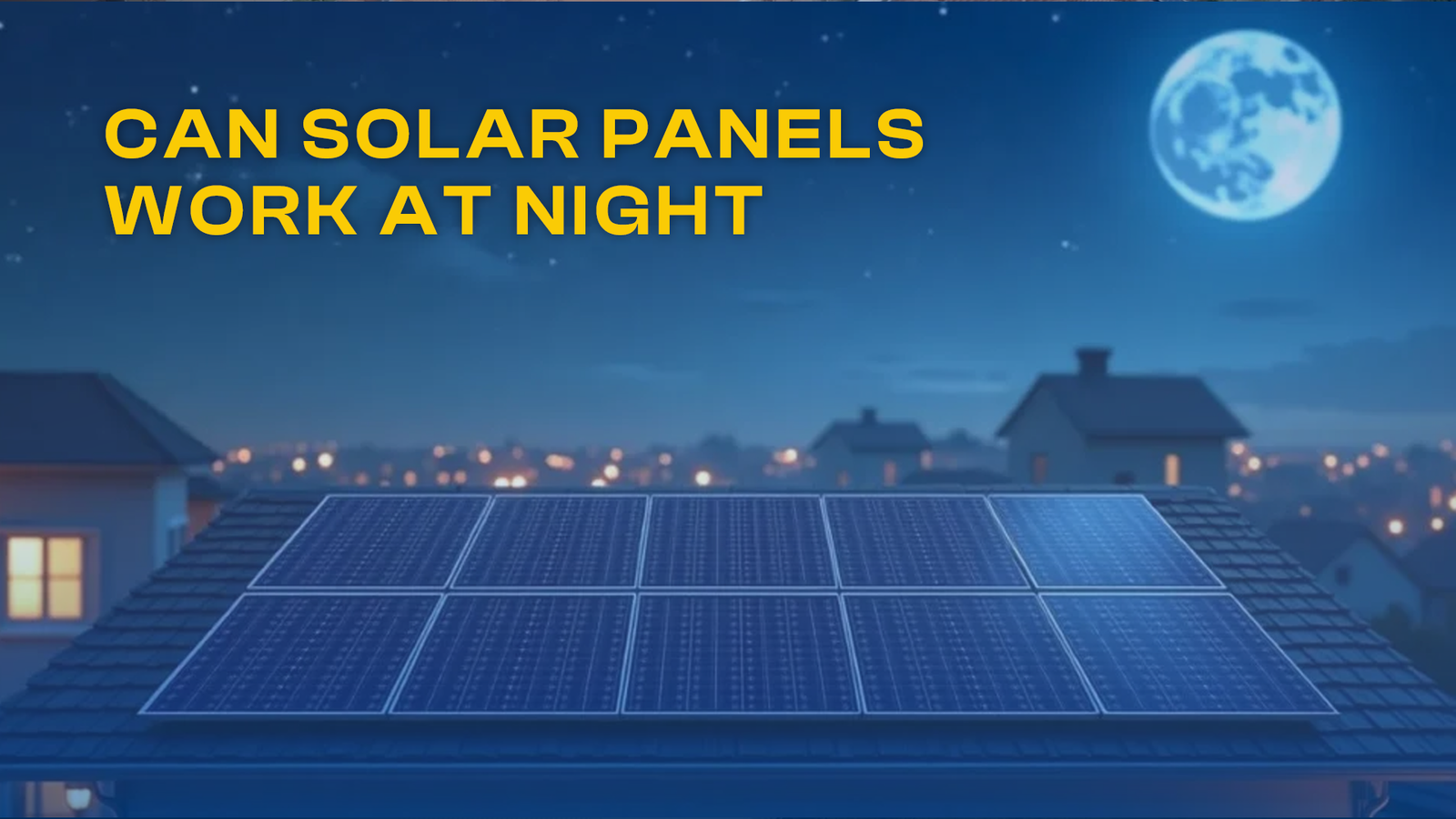
Can Solar Panels Work at Night? The Truth Every Australian Homeowner Should Know

A lot of Australians who are thinking about installing solar panels ask, “Can solar panels work at night?” Electricity costs are going up, and solar energy will be one of the best investments. So, it’s important to know how your system works after the sun sets.

This full guide from Electrical Masters, one of Victoria’s best-rated companies for installing solar panels in homes, explains what happens to your solar system at night, how you can still use solar power after the sun sets, and why picking the right system setup will save you a lot of money.

Get a Free Quote

Please enable JavaScript in your browser to complete this form.

Can Solar Panels Work at Night?

The Simple Answer

No, solar panels do not make electricity at night.

Why? Solar panels need sunlight, not darkness, to make power. The solar cells in your panels absorb photons from sunlight and turn them into electricity. There are no photons to collect if there is no sunlight.

But here’s the good news:

You may still get consistent, uninterrupted power after dark in a number of ways, even though panels don’t make electricity at night. And this is where clever solar design really makes a difference.

How Do You Use Solar Power at Night? (3 Effective Ways)

While the answer to “can solar panels work at night” is technically no, your home absolutely can run on solar energy after sunset—you just need the right setup.

  1. Solar Batteries: The Best Way to Stay Powered After Dark

A solar battery stores excess electricity your panels generate during the day. Then, at night, you simply draw power from the battery instead of pulling expensive electricity from the grid.

This is the most popular solution in Victoria because electricity prices peak during the evening.

With a battery, you can:

Run your home on stored solar power at night

Reduce or eliminate evening electricity charges

Keep essentials running during blackouts

Increase energy independence

At Electrical Masters, we install high-performance brands like Tesla Powerwall, Sungrow, and GoodWe, giving homeowners powerful and reliable night-time energy solutions.

  1. Feed-in Tariffs (FITs): Sell By Day, Buy Back at Night

If you don’t have a battery, your home can still operate smoothly at night.

Here’s how it works:

During the day, your solar panels generate power

Any excess energy is sent to the grid

You earn credits (FITs) for every kWh exported

At night, you use grid energy, but your solar credits offset the cost

This setup is more affordable upfront, but you’ll save far more long-term with a battery.

  1. Hybrid solar system: Best of Both Worlds

A hybrid solar system combines the grid + a solar battery.

This means:

can store solar energy for night use

You can still export unused energy for extra credit

protected during outages

You maximise daily and nightly solar savings

If you’re looking for the most efficient, reliable, long-term solar setup, a hybrid system is your best choice.

Electrical Masters specialises in installing hybrid systems designed specifically for Victorian homes.

Why Solar Panels Don’t Work at Night: The Technical Breakdown

Understanding the science helps you make a smarter investment.

Solar panels use photovoltaic (PV) cells to convert sunlight into electricity. These cells rely on the photovoltaic effect, where photons stimulate electrons and create an electric current.

But at night:

There are no photons

No stimulation of electrons

No current generated

Even under streetlights or moonlight, solar panels cannot generate usable power—the light intensity is far too weak.

That’s why storage systems and hybrid setups are essential for full-day solar performance.

Do Solar Panels Work in Low Light or Bad Weather?

Great question—and this often leads homeowners to ask “can solar panels work at night?”

Here’s the real answer:

✔ Solar panels do work in:

Cloudy weather

Light rain

Low daylight

Early morning or late afternoon

✘ Solar panels do not work in:

Complete darkness

Night-time

Modern panels, especially top brands we supply at Electrical Masters, are engineered to perform extremely well in Australia’s variable climate—even during winter.

Why More Australian Homeowners Are Adding Batteries

Even though solar panels don’t work at night, batteries are changing the game.

Here’s why so many Victorian homeowners are upgrading right now:

  1. Night-time Energy Is the Most Expensive

Peak pricing occurs when the sun goes down.

A battery protects you from this.

  1. Blackouts Are Becoming More Common

A battery like Tesla Powerwall provides automatic backup.

  1. Government Incentives

Certain rebates and incentives reduce the cost of batteries for eligible households.

  1. Maximise Your Solar Savings

More stored solar = less grid energy.

  1. Energy Independence

Stop relying on unstable energy prices.

If you want to produce your own electricity day and night, a battery is the smartest investment.

Why Choose Electrical Masters for Your Solar and Battery Installation?

Your system’s night-time performance depends heavily on who designs and installs it. At Electrical Masters, we offer:

In-house installation team

No subcontractors. No delays. No risk.

Premium Tier-1 panels, inverters & batteries

We only install high-quality, long-lasting systems.

Custom-designed solar systems for your home

Every home is unique—your solar solution should be too.

Affordable pricing & interest-free finance options

We make solar and battery installation accessible.

5-star rated company in Victoria

Hundreds of homeowners trust our expertise and customer service.

Lifetime support

We don’t just install—we support you for the life of your system.

If you want real savings day and night, you need experts who understand how to optimise your system. That’s what we do best.

Final Answer: Can Solar Panels Work at Night?

Panels don’t generate electricity at night

You CAN still use solar energy at night with a battery

Feed-in tariffs can help offset night usage

Hybrid systems offer 24/7 energy freedom

If you want the highest savings, lowest bills, and full night-time energy control, adding a battery through a trusted installer like Electrical Masters is the best solution.

Ready to Power Your Home Day and Night?

Transform your home with a premium solar + battery system from Electrical Masters.

Get a FREE solar quote

Access exclusive battery deals

Save thousands every year on energy bills

Visit ElectricalMasters.com.au and book your free consultation today!

Frequently Asked Questions (FAQs)

  1. Can solar panels work at night at all?

         No. Solar panels require sunlight. They do not generate electricity in the dark.

  1. Can a solar battery run my home at night?

         Yes. A battery stores excess daytime solar energy and supplies power after sunset.

  1. What happens to unused solar power?

        Without a battery, it’s sent to the grid and earns feed-in credits. With a battery, it’s stored for later use.

  1. Do solar panels work during cloudy days?

        Yes, though at reduced output. Modern panels are highly efficient in low-light conditions.

  1. Should I install a battery with my solar panels?

         If you want maximum savings and night-time power, absolutely. Batteries drastically reduce grid reliance.

  1. How much solar power do I need to run my home at night?

         It depends on your energy usage, system size, and battery capacity. Electrical Masters can assess this for you with a free consultation.

Talk to our Expert

Please enable JavaScript in your browser to complete this form.

How Many Types of Solar Panels Are There in Australia? Complete Guide by Electrical Masters

In view of the reality that solar energy has become one of the most quickly growing energy options in Australia, Australian homeowners are now asking an important question: how many types of solar panels are there in Australia? To get the highest possible efficiency, the maximum possible lifespan, and the greatest possible savings from your solar installation, it is important to have an in-depth knowledge of the various options.

In this comprehensive article, we will discuss the various types of solar panels in Australia, how they differ from one another, which type of solar panel is most suitable for Victorian homes, and how Electrical Masters may support you in selecting the most suitable system for your requirements

Get a Free Quote

Please enable JavaScript in your browser to complete this form.

Why Understanding Solar Panel Types Matters

Before you make an investment in a solar system, you need to be aware of the various technologies that are available. Due to the fact that every kind of solar panel gives its own set of advantages, it is important to select the solar panel that is most suited to your environment, budget, and energy goals.

The types of solar panels in Australia differ from one another on the basis of their cost, efficiency, design, and performance in low light. If you select the wrong type, you can experience:

  • Reduced consumption.
  • Insufficient performance in conditions that are generally dark, cloudy, or hot
  • Lower savings over the long term
  • Replace faster than before

With the support of Electrical Masters, homeowners in Australia are able to make a smart choice about the best system for their roof space, energy consumption, and long-term return on investment.

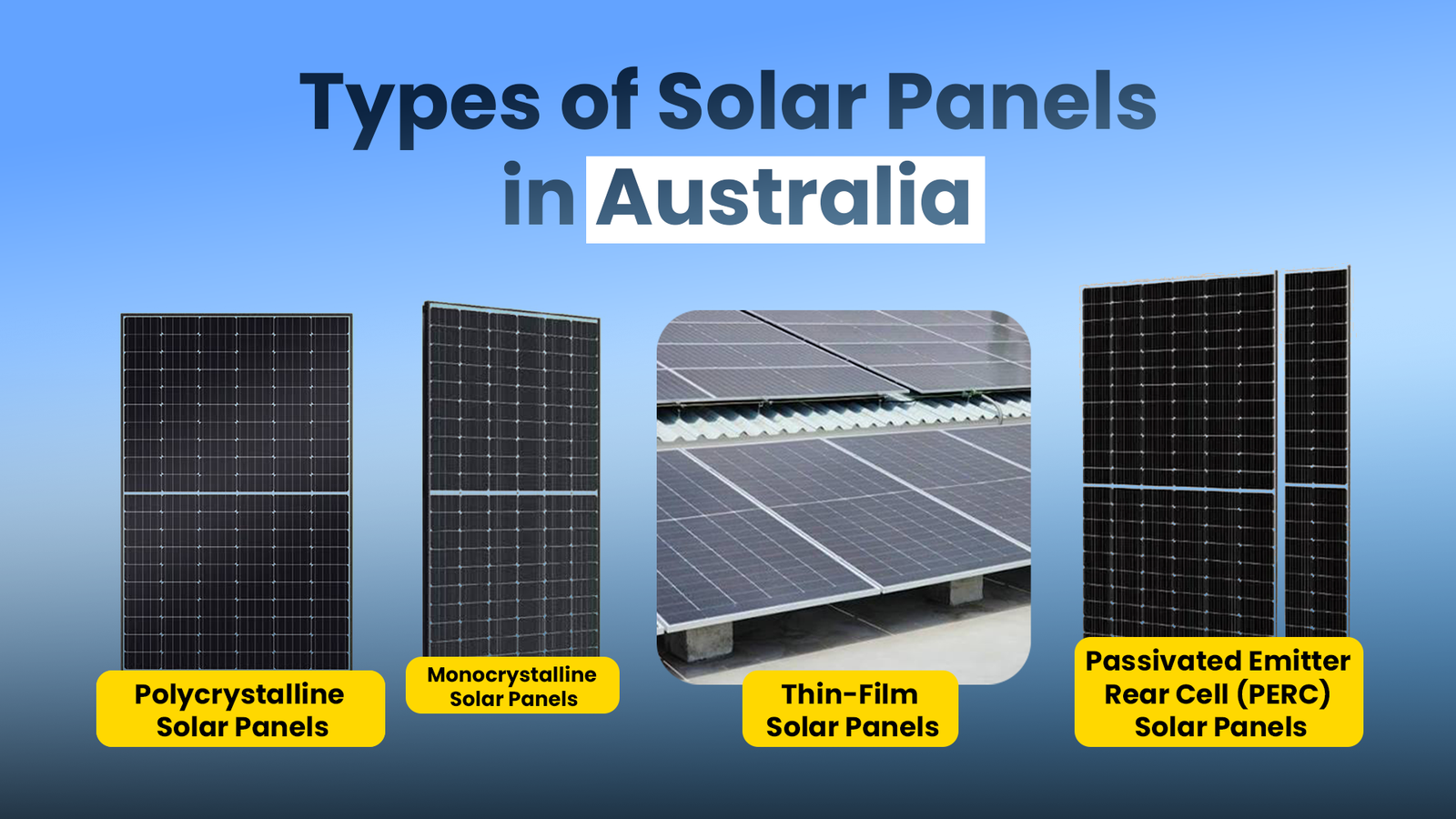
The 4 Main Solar Panel Types in Australia

The great majority of solar panels in Australia are of the following four types:

  1. Monocrystalline Solar Panels (Mono-SI)
  2. Polycrystalline Solar Panels (Poly-SI)
  3. Passivated Emitter Rear Cell (PERC) Solar Panels
  4. Thin-Film Solar Panels

1. Monocrystalline Solar Panels – The Most Popular in Australia

The monocrystalline panels are the highest-performing types of solar panels in Australia. Easily seen by their smooth black appearance, they are made from silicon that is completely pure.

Key Features

  • Most strong performance
  • It performs very well in the heat of Australia.
  • Perfect for houses that have a limited amount of roof space
  • maximum number of years
  • Modern and sleek in design

Why Australians Prefer Them

Monocrystalline solar panels are better in terms of energy production and durability due to the high temperatures and powerful ultraviolet radiation that it experiences in Australia. Those homeowners who are looking for the best performance should go with them as their first choice.

Electrical Masters Recommendation

Most of our installations use Tier-1 monocrystalline panels, which are manufactured by trusted companies and offer longer warranties and high efficiency. This ensures that our customers receive the greatest possible savings and long-term durability.

2. Polycrystalline Solar Panels – Budget-Friendly and Reliable

Polycrystalline panels are one of the most common types of solar panels in Australia because of the affordable rates at which they are offered. Several pieces of silicon are melted together to create them, which results in a blue and grainy look for the finished product.

Key Features

  • In compared to monocrystalline, the cost is lower.
  • Excellent results in climates that are moderate
  • Capable of fitting larger roof areas

Who Should Choose Them

Polycrystalline panels may be a choice for homeowners who have a large amount of roof space and are looking for a solar solution that is more affordable. In even with the reality that they have a lower efficiency, they will still provide sufficient performance for normal households.

3. PERC Solar Panels – The Modern Australian Standard

At this point, the technology known as Passivated Emitter Rear Cell (PERC) has become common in the Australian market. In their most basic form, these are improved monocrystalline or polycrystalline panels that have been installed with a passivation layer that increases the amount of energy that is generated.

Key Features

  • Performance that is better to that offered by traditional panels
  • Improved performance in extremely low-light environments
  • Generating a greater amount of power in the mornings and evenings
  • In terms of the efficiency with which sunlight turns into energy

Why They’re Ideal for Australia

The variable climate of Victoria, as well as roof directions that don’t get full midday sun, are the perfect conditions for the installation of PERC panels. A greater amount of energy is produced sooner in the day and later in the afternoon, which results in an increase in the overall daily output.

Homeowners who are interested in obtaining advanced efficiency but don’t want to pay higher rates for top-of-the-line technologies can have PERC units installed by Electrical Masters.

4. Thin-Film Solar Panels – Lightweight and Flexible

Thin-film panels are a types of solar panels in Australia, mainly because of their lower efficiency. On the other hand, they come with benefits that are specific to specific situations.

Key Features

  • Style that is both lightweight and flexible
  • In high temperatures, it works more effectively.
  • Perfect for use on curved surfaces or business surfaces

Where They Are Best Used

Thin-film panels are commonly used in:

  • Carports, sheds, and any other business-related structures
  • Those projects that deal with cost

In most cases, they aren’t used for household rooftops; but they are an excellent choice for unique installations.

How Electrical Masters Helps You Choose the Right Solar Panels

Electrical Masters is known as one of the most reputable in-house solar experts in Victoria. We minimize and eliminate the stress related to the process by providing us with excellent goods, five-star reviews, and certified installers.

Our Expert Solar Services Include:

  1. In-house solar installation team
  2. Premium monocrystalline & PERC panels
  3. Transparent pricing with no pushy sales
  4. Smart system design tailored to your home
  5. Long-term support and product warranties
  6. Professional advice following Australian (SAA) guideline

We ensure that every homeowner in Australia gets the highest possible amount of the generation of energy and economic return, no matter the various types of solar panels in Australia..

How to Decide Which Solar Panel Type You Need

It can be hard to select the right solar panel, but Electrical Masters makes the process easier by looking at the following factors:

  • Space on the Roof
  • A budget
  • Power Consumption
  • Plans for the Long Term

Advantages of Choosing the Right Solar Panel Type

With the right solar system, you can believe:

  • The highest possible use of sunlight 
  • Reduced power bills 
  • More savings over the long term
  • The roof suitability gets better,
  • The warranties get stronger
  • The life expectancy is increased.

Electrical Masters offers the best possible results using the best manufacturers and installation standards that have been certified by the SAA.

Frequently Asked Questions (FAQs)

  1. How many types of solar panels are there in Australia?

       Australia mainly uses four types: monocrystalline, polycrystalline, PERC, and thin-film.

  1. What are the most efficient solar panels in Australia?

       Monocrystalline and PERC panels are currently the most efficient options.

  1. What are the cheapest solar panel types in Australia?

       Polycrystalline panels generally offer the lowest upfront cost.

  1. Are thin-film solar panels good for homes?

       Not usually. They’re better suited for commercial or specialty projects.

  1. Which solar panel type works best in Victoria’s climate?

       Monocrystalline and PERC panels provide the best performance across varying sunlight conditions.

Conclusion

Now that you know the various  types of solar panels in Australia and how they different from one another, it is much easier to choose the most suited style for your house. If you choose quality monocrystalline panels, efficient PERC technology, or value-based polycrystalline panels, selecting the right kind will greatly enhance the performance of your system as well as the long-term financial return it provides.

Talk to our Expert

Please enable JavaScript in your browser to complete this form.

How Solar Energy Is Converted Into Electricity: A Simple & Complete Guide by Electrical Masters

You’re not the only one who has ever wondered “how solar energy is converted into electricity?” Thousands of Australians are looking into solar power to lower their energy bills, become less dependent on electricity, and cut down on carbon emissions. But it doesn’t have to be hard to understand the science behind solar. This guide from Electrical Masters explains down the whole process, so you can truly feel good about switching to solar.

Get a Free Quote

Please enable JavaScript in your browser to complete this form.

What Does It Mean When We Say Solar Energy Converts to Electricity?

Before going into how solar energy is converted into electricity, it’s important to define what solar energy is. Solar energy is just the sunlight and heat generated by the Sun. Solar panels convert this energy into electrical energy via a scientific process known as the photovoltaic effect.

This effect was discovered almost 180 years ago, yet it now powers millions of homes throughout Australia, particularly in high-sun areas such as Victoria.

Step 1: Sunlight Hits the Solar Panels

The process of converting starts as soon as sunlight hits your solar panels. There are several solar cells composed of silicon in each panel. Silicon is a substance that conducts electricity when it is exposed to light.

These cells consume sunlight and let out electrons. This is where the real work of how solar energy is converted into electricity starts.

We at Electrical Masters put in high-efficiency panels that are made to catch as much sunlight as possible, even when it’s cloudy. This makes sure that your system stays productive all year long.

Step 2: Solar Cells Trigger the Photovoltaic Effect

Now let’s look at the science behind how solar energy is converted into electricity.

Inside every solar cell are two layers of silicon:

  • One positively charged
  • One negatively charged

When sunlight contacts the cell, photons (light particles) push electrons free from the silicon layers. These electrons begin to flow, generating direct current (DC) electricity.

This is the heart of the photovoltaic effect, the cornerstone of solar electricity.

Even though the process occurs in microseconds, it is extremely powerful. A conventional household solar system can provide enough energy to operate your lights, appliances, hot water system, and other devices.

Step 3: The Inverter Converts DC Power Into AC Power

You can’t use DC electricity directly in your home. Because of this, the solar inverter is the next step in how solar energy is converted into electricity.

The inverter changes the raw DC power from your panels into AC power, which is what your household appliances need.

We only utilise high-quality inverters from manufacturers that are known for being safe, durable, and performing well over time at Electrical Masters. A good inverter doesn’t merely change power; it also:

  • Optimises system output
  • Monitors performance
  • Protects your system from faults

This makes it one of the most crucial components of your solar setup.

Step 4: AC Electricity Powers Your Home

Once the inverter completes the conversion, the AC electricity is ready to flow through your electrical switchboard.

From here, your solar energy is distributed to run:

  • Lights
  • Refrigerators
  • TVs
  • Heating and cooling systems
  • Pool pumps
  • Hot water systems
  • And more

This implies that each second that your panels make electrical power, you need to buy less electricity from the grid, which lowers your energy cost right away.

This is the stage of how solar energy is converted into electricity the process that homeowners get the most money from, especially during the hottest hours of the day.

Step 5: Excess Energy Goes Back to the Grid or Into a Battery

On bright days, your solar system may produce more energy than your home consumes. What happens to that extra energy?

You have two options:

1. Send It to the Grid (and Get Paid Through Feed-in Tariffs)

Your retailer pays you for exporting surplus power. While feed-in rates vary, they still provide a helpful credit on your bill.

2. Store It in a Solar Battery

Batteries allow you to use solar energy at night or during blackouts.

For many people, adding a battery is the most exciting part of how solar energy is converted into electricity, because it unlocks:

  • Greater independence
  • Higher savings
  • Emergency backup power
  • Better control over energy usage

Electrical Masters offers high-quality battery solutions from industry-leading brands, customised for the needs of Victorian homes.

Why Understanding How Solar Energy Becomes Electricity Matters

Knowing how solar energy is converted into electricity helps you:

Choose the right system

Understanding each component — panels, inverter, battery — helps you make smarter purchasing decisions.

Maximise your savings

Once you know when your system produces the most power, you can run high-usage appliances during peak solar hours.

Maintain your system properly

Basic knowledge helps you identify issues early, ensuring long-term performance.

Feel confident in your solar investment

The more you understand your system, the more value you will get from it.

With Electrical Masters, you are never left wondering. Our team explains your entire system in simple words and provides continuing assistance after installation.

How Efficient Is the Solar Energy Conversion Process?

Efficiency varies based on panel type, location, and weather — but most modern panels convert 18% to 23% of sunlight into electricity.

While this may seem low, remember:

  • Solar power is free
  • Australia has some of the highest solar radiation levels in the world
  • Even moderate-efficiency panels produce substantial energy year-round

At Electrical Masters, we install only high-performance systems designed for long-term savings and durability under Australian conditions.

The Role of Technology in Solar Energy Conversion

Modern advancements continue to improve how solar energy is converted into electricity. These include:

  • Half-cut cell technology
  • Multi-busbar designs
  • N-type TOPCon and HJT panels
  • Smart monitoring systems
  • Advanced inverters with real-time optimisation

These innovations boost:

  • Energy output
  • Efficiency
  • Lifespan
  • Safety

Electrical Masters stays up-to-date with the latest technologies to ensure every installation delivers maximum value.

Final Thoughts

Understanding how solar energy is converted into electricity will help you get the most out of your system and give you faith in your solar investment. It might appear complicated, but when you break it down, it’s just nature and engineering working together perfectly.

Electrical Masters has an expert installation professionals that will give you clean, reliable energy and long-term savings, all backed by the best products and service in the business.

Electrical Masters is here to help you move to solar with clear guidance, high-quality systems, and top-notch customer care.

Talk to our Expert

Please enable JavaScript in your browser to complete this form.

How Weather and Climate Impact Solar Panel Efficiency in Australia

Australia gets a lot of sunlight, so solar energy is a great investment for homeowners. The Australian sun is great for making renewable energy, but a lot of people don’t know that varied weather patterns and climates can affect how well solar panel efficiency. Knowing these things can help you get more out of your solar system and pick the best installation partner, like Electrical Masters, Melbourne’s trusted solar professionals.

In this guide, we explain how heat, shadow, temperature, dust, humidity, rain, storms, and different climates affect the solar panel efficiency. We also show you how to get the most out of your system all year long.

Get a Free Quote

Please enable JavaScript in your browser to complete this form.

Why Weather Matters for Solar Performance

Solar panels turn sunlight into power. Anything that blocks, changes, or decreases that light can make solar panels less effective. The weather has a big effect on daily output. Some situations make it better, while others make it worse. The good news is? Panels made today are built to operate well even when the weather in Australia changes, especially when a reliable team like Electrical Masters installs and maintains them.

Sunshine and UV Exposure: Australia’s Biggest Advantage

Australia receives some of the highest solar radiation levels in the world. Whether you live in Victoria, Queensland, or Western Australia, the strong sunlight significantly boosts solar panel efficiency.

More sunlight = more energy generation.

But it’s not simply sunlight that affects long-term performance; it’s also consistent UV exposure. When you use high-quality panels and have them installed by an expert, your system will get the most sunlight from early morning to late afternoon.

Electrical Masters makes sure that your home gets the most solar possible, even on shorter winter days, by optimizing the placement, tilt, and arrangement of your panels.

Heat and High Temperatures: A Surprising Impact on Efficiency

A lot of homeowners think that higher temperatures implies more solar energy, but that’s not necessarily the case. Solar panels operate best when it’s chilly and sunny.

When panels get too hot, they may not work as well as they should. For instance, solar panel efficiency might not make as much electricity as you thought they would on a hot summer day when the temperature is 40°C.

Why? Excessive heat increases electrical resistance inside the cells.

But there’s good news:

  • Australian panels are designed to tolerate extreme heat
  • Electrical Masters uses high-quality panels with low temperature coefficients
  • Correct ventilation during installation reduces heat buildup

This ensures your system performs strongly even during peak summer.

Cloudy Weather and Overcast Days

Clouds block some of the direct sunlight that hits your panels, which might make them less efficient for a short time. But current solar systems are great at catching reflected light, which is the light that is still there on cloudy days.

Your solar panels will keep making power even when it’s cloudy.

Also, the colder temperatures that come with cloudy weather can sometimes make up for the lack of direct sunlight, especially in the long winter months.

Electrical Masters builds solar systems that work well in all kinds of weather, so they keep working even when the sky is cloudy.

Rain and Storms: More Helpful Than You Think

While storms may reduce production during rainy hours, they actually benefit your system in several ways:

Rain helps clean your panels.

Dust, pollen, and pollution can accumulate on panels over time, reducing solar panel efficiency. Rain naturally washes this away, keeping your system clean and performing well.

Cool air boosts performance.

Rain brings cooler temperatures, which improves panel efficiency as they operate better in mild conditions.

Modern panels are built to withstand storms.

Electrical Masters installs panels tested for Australian conditions—resistant to heavy rain, hail, and strong winds.

Dust, Bushfire Smoke, and Air Quality

One of the most hidden dangers to solar panel efficiency is dust buildup. Dusty winds, building sites, or dry conditions make things build up faster. Dust, even a tiny layer, can block sunlight.

Smoke from bushfires can also reduce efficiency by:

  • Blocking sunlight
  • Settling debris on the panel surface
  • Increasing air pollution levels

Electrical Masters recommends periodic cleaning if your area experiences frequent dust or smoke. A clean system is an efficient system.

Shade from Trees and Buildings

Shade is one of the most direct enemies of solar panel efficiency. Even small shaded areas on a panel string can reduce energy output.

Common sources of shade include:

  • Branches
  • Chimneys
  • Neighbouring homes
  • Poles and antennas

Before installation, Electrical Masters does a complete shade study. We apply cutting-edge technologies to find the optimal spot for your panels so that they get sunlight all day long.

If shade can’t be avoided, microinverters or optimisers can help reduce the loss of efficiency.

Humidity and Moisture Exposure

Areas with high humidity—especially coastal or tropical regions—can experience a slight decrease in solar panel efficiency.

Humidity can affect:

  • Panel temperature
  • Internal electrical conditions
  • Outdoor equipment durability

This is why Electrical Masters use panels that are certified for usage in high-humidity areas and puts weather-resistant shielding on all of its wiring. This makes sure that it will work well for a long time, even in wet weather.

Winter Weather and Shorter Days

Winter means:

  • Shorter daylight hours
  • Lower sun angles
  • Cooler temperatures

While shorter days mean less energy is made overall, the colder air actually makes solar panel efficiency perform better because they work best in cooler circumstances.

And while Australia’s winters are generally mild, the country nevertheless makes a lot of energy compared to colder countries. You’ll keep saving on bills even in the cold with an improved system from Electrical Masters.

Climate Zones Across Australia and Their Impact

Australia has multiple climate zones—each affecting solar performance differently.

Tropical Regions (QLD, NT)

  • Strong sunlight
  • High humidity
  • Occasional heavy rainfall
  • Great for year-round energy generation

Dry and Desert Regions (SA, WA, NT)

  • High sunlight exposure
  • Extreme temperatures
  • Dust may reduce efficiency without regular cleaning

Temperate Regions (VIC, NSW, TAS)

  • Balanced weather
  • Excellent cool sunlight conditions
  • Overcast days but steady performance overall

No matter where you live, Electrical Masters designs systems tailored to your region’s climate, ensuring you always achieve maximum solar panel efficiency.

How to Maximise Solar Panel Efficiency Year-Round

Want to get the most from your solar investment? Here’s how to boost your system’s daily and annual performance:

Choose high-quality panels

Premium solar panels maintain better efficiency across all weather conditions.

Get a professional installation

Electrical Masters designs systems for maximum sunlight exposure and minimal shading.

Clean your panels when needed

A simple cleaning improves light absorption.

Use monitoring systems

Track real-time performance to catch issues early.

Consider adding a solar battery

A battery allows you to store excess daytime energy for night use—maximising savings.

Why Choose Electrical Masters for Maximum Solar Performance?

Weather and climate will always influence your solar panel efficiency, but the installer you choose determines how well your system performs for decades.

Electrical Masters offers:

  • Premium solar panels with superior efficiency ratings
  • Tailored system design based on your home’s climate and roof structure
  • Expert installation for optimal sunlight exposure
  • Monitoring and maintenance to maximise long-term output
  • Local Australian support and service

If you want reliable, weather-resilient solar performance, Electrical Masters is your trusted partner.

Final Thoughts

Australia has a wide range of weather, from very hot to very rainy, which can affect how well solar panels work. However, if you design and install your system correctly, your panels will keep giving you strong, reliable output. You can make better choices and get the most out of your solar investment if you know how the weather impacts the solar panel efficiency.

Are you ready to save money on your energy bills and make your home more efficient?

Electrical Masters can help you set up a solar system that works well and is suited for the weather in Australia.

Talk to our Expert

Please enable JavaScript in your browser to complete this form.

PV Panel Prices 2026: The Ultimate Guide to Solar Costs in Australia

The current solar panel costs in Australia for 2026 reflect an updated market with superior technology, but global supply chain movements have stabilized the previous years’ significant price declines. A high-quality solar panel will cost between $0.85 and $1.60 per watt for a fully completed system after government rebates. This indicates that a normal 6.6kW system costs between $4,000 and $6,500, and a premium solar power panel pricing for a 10kW system ranges from $8,000 to $12,000, depending on Tier-1 hardware and installation complexity.

Get a Free Quote

Please enable JavaScript in your browser to complete this form.

What are PV Panels and Why Does the Technology Matter?

Before going into the cost of solar modules, you need first understand what you are buying. PV panels (photovoltaic panels) are silicon-based modules that convert sunlight into direct current power.

The Shift to N-Type Technology

By 2026, the industry has nearly completely transitioned from older P-Type cells to N-Type (TOPCon or HJT) technology. While these photovoltaic panels have a somewhat higher initial solar power panel cost, they provide:

Higher Efficiency: More power with a smaller roof footprint.

Lower degradation: They lose less power over 25 years than previous models.

Improved Heat Tolerance: Essential for the hard Australian summer

Breaking Down Solar Power Panel Price by System Size

In 2026, choosing the best solar system capacity involves establishing a compromise between initial investment and long-term energy independence. A 6.6kW system with 15-16 panels generally costs between $4,000 and $6,500 for a typical Australian home, saving an estimated $1,400 to $2,200 per year. Those with larger energy consumption, such as families with electric cars or pool pumps, frequently choose the 10kW system; this arrangement requires 22-24 panels and costs between $7,500 and $12,000, with the potential to reduce electricity bills by $2,400 to $3,500 per year. For large-scale residential demands or all-electric houses, a 13.2kW system with 30-32 panels gives maximum production for $10,000 to $14,500, resulting in considerable annual savings of $3,500 to $4,800.

How Much Does Solar Panel Installation Cost?

The cost of solar panel installation includes more than simply the panels. When you get a price for how much solar installation costs, you’re paying for four main categories:

  • Hardware (40-50%): The cost of the PV panels and the inverter (the system’s “brain”).
  • Labour and Engineering (25-30%): The physical work done by SAA Certified (Solar Accreditation Australia) installers.
  • Mounting and electrical (10-15%): This includes the racking that mounts the panels to your roof as well as the specialist wiring.
  • Compliance and net metering (5-10%): include grid connection costs and safety certifications.

Factors That Increase Installation Prices

  • Multi-Storey Homes: Accessing a second or third story needs scaffolding, which increases the cost of solar panels.
  • Roof Material: Installing on terracotta tiles or flat concrete roofs requires more labor than conventional tin (Colorbond).
  • Switchboard Upgrades: If your property is older, you may need a $500-$1,500 modification to suit a higher solar load.

Solar Panels for House Cost with Adding a Battery

The Australian solar approach has moved dramatically from “exporting to the grid” to “powering your own life.” While installing a battery boosts the initial cost of your solar power system, it is the most efficient approach to avoid increasing peak energy bills, which now routinely exceed 45 cents per kWh. A conventional 6.6kW system with a 10kWh battery generally costs between $13,000 and $18,000 after federal STC rebates and current battery rebates are applied.

This configuration acts as a financial buffer against grid fluctuation. Instead of returning your extra daytime production to the provider for a pitiful 5-cent feed-in tariff, you are saving that energy to power your house during the costlier nighttime hours. With current lithium-ion batteries now warrantied for 10-15 years and total system payback times approaching 7 years, the cost of installing solar panels with storage has officially shifted from a “tech luxury” to a key long-term wealth strategy for the ordinary household.

How Much Should Solar Cost? Avoiding “Shonky” Quotes

While you may find ads offering a 6.6kW system for $2,999, be careful. In Australia’s solar sector, “too good to be true” often means:

  • Low-quality inverters:  typically breakdown after 3-5 years.
  • Uncertified labour: Potentially unsafe wiring and poor roof sealing.
  • No once-Sales Support: Companies that disappear once you file a warranty claim.

To guarantee you obtain a fair solar system cost, make sure your retail location is an Approved Solar retailer and utilizes SAA Certified installers.

Solar Rebate Update 2026: Don’t Miss Out on Stacking Victorian rebates

The Australian solar market is heavily subsidized, but the “window of opportunity” is closing. By combining federal and state rebates, you may save more than $6,800 on your first solar power installation cost. However, with the federal “deeming period” for STCs decreasing on a yearly basis, taking action sooner rather than later is the most efficient method to safeguard your ROI.

The Federal STC Discount

All Australian installations are eligible for Small-scale Technology Certificates (STCs), which provide as an upfront point-of-sale discount. In 2026, a basic 6.6kW system will cost between $1,600 and $1,900 less for solar panels. It should be noted that a huge “rebate cliff” comes on May 1, 2026, when government funding for larger batteries (above 14kWh) is drastically decreased, possibly costing procrastinators over $600 in lost savings.

Victorian-Specific Support: Solar Victoria

If you live in Victoria, you may benefit from the Solar Homes Program, which provides some of the highest rebates in the nation.

  • The Solar Panel Rebate: Direct deduction of up to $1,400 for qualified homeowners and rental properties.
  • Interest-Free Loan: An optional $1,400 loan (which matches the rebate) that you may repay with no interest over four years.
  • 10-Year update Rule: Effective 2026, if your present system is more than ten years old, you may be eligible for a grant to update to new N-Type technology.

The “stacked” Savings Strategy

Combining these discounts allows a Victorian home to instantly save $3,200 on the out-of-pocket cost of an 6kW or 10kW system. When combined with the government Cheaper Home Batteries discount, which covers around 30% of your battery cost, the entire financial assistance makes 2026 the best year to move to a complete hybrid solar system.

Summary: How Much to Install Solar Power?

The cost of installing solar panels in Australia is lower than ever, After government STC credits, the out-of-pocket cost of installing solar panels for a conventional 6.6kW system is between $4,000 and $6,500. If you live in Victoria, you may reduce the price even further to between $2,800 and $3,700 by combining the Solar Victoria rebate and an interest-free loan. For those considering bigger 10kW installations or adding a 10kWh battery, the entire solar power installation cost typically runs between $13,000 and $18,000, providing a complete solution that may cut your yearly energy expenditures by up to 90 percent.

Talk to our Expert

Please enable JavaScript in your browser to complete this form.